Gym Materials Guide: Types, Benefits, and Key Insights for Fitness Facilities

Gym materials refer to the various components used in fitness facilities, including flooring systems, exercise equipment materials, wall protection products, storage systems, and safety accessories. These materials influence durability, user safety, maintenance costs, and overall workout experiences.
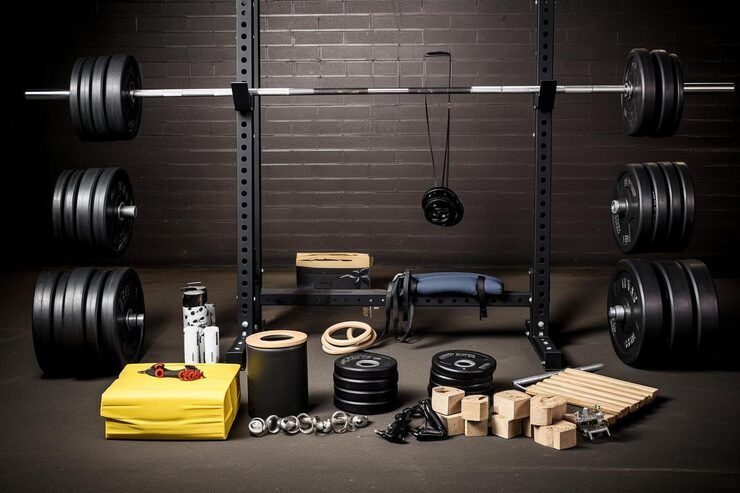

As the global fitness industry continues to evolve, the selection of gym materials has become increasingly important. Commercial gyms, corporate wellness centers, schools, rehabilitation facilities, and home fitness enthusiasts all rely on materials that can withstand heavy use while maintaining safety and performance standards. The growth of home gyms, smart fitness technology, and sustainable construction practices has also increased interest in understanding which materials provide the best long-term value.

Recent years have seen a shift toward eco-friendly flooring, recycled rubber products, antimicrobial surfaces, and digitally integrated equipment. Facility owners are paying greater attention to lifecycle costs rather than simply focusing on initial purchase prices. At the same time, safety regulations and accessibility standards continue to influence material selection across many countries.

Understanding gym materials helps decision-makers choose products that balance durability, performance, maintenance requirements, and user comfort while supporting modern fitness trends and operational goals.

Who It Affects and What Problems It Solves

Gym materials affect a wide range of stakeholders. Commercial gym operators depend on durable materials to reduce maintenance costs and improve member satisfaction. Schools and universities require safe surfaces that accommodate large numbers of users. Healthcare and rehabilitation centers need specialized materials that support patient recovery and accessibility requirements.

Home gym owners also benefit from understanding gym materials. The right flooring can protect both equipment and residential flooring surfaces. Equipment made from quality materials typically lasts longer and requires fewer repairs, helping users maximize their investment.

Problems Gym Materials Solve

Proper gym materials help address several common challenges:

  • Reduce injury risks through shock absorption and slip resistance.
  • Protect subfloors from heavy equipment damage.
  • Minimize noise and vibration transmission.
  • Improve equipment durability and lifespan.
  • Support hygiene and cleanliness standards.
  • Enhance user comfort during exercise.
  • Lower long-term maintenance and replacement costs.
  • Improve accessibility and compliance with safety requirements.

Without appropriate materials, facilities may experience increased maintenance expenses, higher injury risks, equipment failures, and reduced customer satisfaction.

Recent Updates and Industry Trends

The gym materials market has experienced several notable developments over the past year.

Sustainability Initiatives

Manufacturers are increasingly incorporating recycled rubber, reclaimed plastics, and environmentally responsible production processes into gym flooring and equipment. Sustainability reporting requirements in some regions have encouraged businesses to evaluate material sourcing practices more carefully.

Smart Equipment Integration

Modern fitness equipment now includes sensors, connectivity features, and digital monitoring systems. Material selection must accommodate embedded electronics while maintaining structural integrity and durability.

Antimicrobial Surfaces

Following increased awareness of hygiene standards, many manufacturers have introduced antimicrobial coatings and easy-to-clean surfaces. These materials help simplify maintenance and support facility cleanliness protocols.

Modular Gym Design

Modular flooring systems and adjustable equipment designs continue to gain popularity. These solutions allow facilities to adapt layouts quickly for changing user needs and training programs.

Home Gym Expansion

The continued popularity of home fitness has increased demand for compact, durable materials that can function effectively in residential environments without excessive noise or space requirements.

Comparison of Common Gym Materials

Gym Flooring Materials Comparison

Material TypeDurabilityShock AbsorptionMaintenanceCommon Applications
Rubber FlooringHighExcellentLowCommercial gyms
EVA Foam TilesMediumGoodLowHome gyms
Vinyl FlooringMedium-HighModerateEasyMulti-purpose fitness areas
Artificial TurfHighModerateModerateFunctional training zones
Hardwood FlooringHighLimitedModerateStudios and sports courts

Equipment Material Comparison

MaterialStrengthCorrosion ResistanceCost LevelTypical Usage
SteelVery HighModerateModerateWeight machines
Stainless SteelHighExcellentHighPremium equipment
AluminumModerateExcellentModerateLightweight frames
Composite MaterialsModerateHighVariableSpecialized equipment
Reinforced PlasticModerateGoodLowerAccessories and storage

Key Performance Factors

FactorImportanceImpact on Users
DurabilityHighLonger equipment life
SafetyVery HighReduced injury risk
HygieneHighCleaner workout environment
Noise ReductionMediumImproved comfort
SustainabilityGrowingEnvironmental benefits
MaintenanceHighLower operating costs

Laws, Regulations, and Policy Considerations

Gym materials are often influenced by building codes, workplace safety requirements, accessibility regulations, and environmental policies.

Safety Standards

Many countries require commercial fitness facilities to comply with workplace safety regulations. Flooring materials often need to meet slip-resistance and fire-safety requirements. Equipment manufacturers may also follow recognized testing standards related to structural integrity and user safety.

Accessibility Requirements

Public fitness facilities frequently need to comply with accessibility guidelines. This can influence equipment spacing, flooring transitions, and material selection to ensure safe access for individuals with disabilities.

Environmental Regulations

Environmental policies increasingly affect manufacturing processes and material sourcing. Some jurisdictions encourage the use of recycled materials or impose restrictions on certain chemical substances used in production.

Building Codes

Gym construction projects may be subject to local building regulations covering:

  • Fire resistance
  • Indoor air quality
  • Structural load requirements
  • Emergency access routes
  • Noise control measures

Practical Guidance

Choose rubber flooring when:

  • Heavy free weights are used.
  • High traffic is expected.
  • Long-term durability is a priority.

Choose foam flooring when:

  • Budget constraints exist.
  • Home fitness use is the primary purpose.
  • Impact protection is needed for light activities.

Choose stainless steel equipment when:

  • Moisture exposure is common.
  • Corrosion resistance is important.
  • Long service life is desired.

Choose modular systems when:

  • Future facility expansion is expected.
  • Layout flexibility is important.
  • Multi-purpose usage is required.

Tools and Resources

Several tools and resources can assist facility managers, gym owners, and fitness enthusiasts when selecting gym materials.

Planning Tools

  • Facility layout planning software
  • Space utilization calculators
  • Equipment placement templates
  • Flooring coverage calculators

Maintenance Resources

  • Preventive maintenance checklists
  • Equipment inspection logs
  • Cleaning schedule templates
  • Asset management software

Educational Resources

  • Industry association publications
  • Equipment manufacturer documentation
  • Safety compliance guides
  • Facility management handbooks

Useful Digital Tools

Tool TypePurpose
Flooring CalculatorEstimate material quantities
Budget PlannerProject installation costs
Maintenance TrackerSchedule inspections
Asset Management SystemMonitor equipment lifecycle
Space Planning SoftwareOptimize facility layouts

Professional Services

  • Fitness facility consultants
  • Flooring installation specialists
  • Equipment inspectors
  • Safety compliance advisors
  • Facility design professionals

These resources help organizations make informed decisions regarding material selection, budgeting, and ongoing maintenance.

Frequently Asked Questions

What are the most durable gym flooring materials?

Rubber flooring is generally considered one of the most durable gym flooring options due to its ability to withstand heavy equipment, repeated impacts, and high foot traffic.

Which material is best for home gyms?

For many home gyms, rubber flooring and EVA foam tiles are popular choices because they provide protection, comfort, and relatively simple installation.

Why is gym flooring important?

Gym flooring helps absorb impact, reduce injury risks, protect underlying surfaces, control noise, and improve overall workout safety.

How often should gym equipment materials be inspected?

Inspection frequency depends on usage levels, but commercial facilities commonly perform daily visual checks and scheduled comprehensive inspections throughout the year.

Are eco-friendly gym materials effective?

Many modern sustainable materials provide performance characteristics comparable to traditional alternatives while reducing environmental impact through recycled content and responsible manufacturing practices.

Conclusion

Gym materials play a critical role in determining the safety, durability, functionality, and long-term operating costs of fitness facilities. Flooring systems, equipment, construction materials, and supporting infrastructure all contribute to user experience and facility performance.

Current industry trends indicate growing adoption of sustainable materials, antimicrobial surfaces, modular designs, and smart equipment integration. Organizations are increasingly evaluating materials based on lifecycle value rather than initial purchase costs alone.

For most commercial facilities, durable rubber flooring combined with high-quality steel or stainless-steel equipment provides a practical balance of safety, performance, and longevity. Home gym users may benefit from more flexible solution,s such as foam or modular flooring systems, depending on space and budget considerations.

The best gym materials ultimately depend on facility goals, user requirements, maintenance capabilities, and regulatory considerations. Careful evaluation of these factors can help create safer, more efficient, and more sustainable fitness environments.