Farming Tools Details: Explore Types, Functions, Applications, Durability, and Selection Considerations
Farming tools are implements and equipment used to perform agricultural activities such as preparing soil, planting seeds, removing weeds, watering crops, harvesting plants, and handling materials. Farming tools range from simple hand implements to powered equipment designed for larger fields and more demanding agricultural operations.
The development of farming tools is closely connected with the history of agriculture. Early farmers relied on simple implements made from wood, stone, and later metals. Over time, improvements in materials, mechanical design, and power systems introduced tools that could perform agricultural tasks with greater consistency and less manual effort.
Today, farming tools include both traditional hand tools and mechanized equipment. Their design depends on the type of crop, soil conditions, field size, farming method, and specific agricultural activity.
Common Categories of Farming Tools
Farming tools can generally be grouped according to their main function. Soil preparation tools disturb or loosen soil, planting tools place seeds or seedlings, cultivation tools help manage weeds, irrigation equipment distributes water, and harvesting tools assist with collecting mature crops.
Some tools are multipurpose, while others are designed for a specific operation. For example, a hoe can be used for soil cultivation and weed removal, while a seed drill is designed specifically to place seeds at controlled spacing and depth.
Hand Tools and Mechanized Equipment
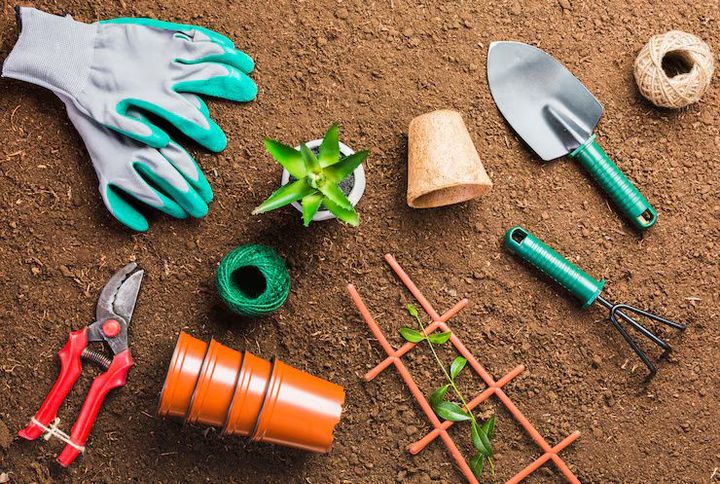
Hand tools include items such as hoes, spades, shovels, rakes, sickles, pruning shears, and forks. They are commonly used for smaller plots, gardens, maintenance work, and tasks requiring direct control.
Mechanized farming equipment includes tractors, cultivators, seeders, planters, sprayers, harvesters, and other powered machines. These systems are generally associated with larger agricultural operations and can perform tasks across wider areas.
Importance
Farming tools play an important role in agricultural production because they support many activities throughout the crop cycle. Soil preparation, planting, irrigation, weed control, crop maintenance, harvesting, and material handling all require suitable tools or equipment.
The appropriate tool can also influence how efficiently a task is performed. A hand hoe, for example, may be practical for working between plants in a small area, while mechanical cultivation equipment may be more appropriate for larger fields.
Main Agricultural Applications
Farming tools are used during different stages of agricultural work:
- Soil preparation involves plows, hoes, harrows, cultivators, and similar implements.
- Planting involves seed drills, planters, dibblers, and transplanting tools.
- Crop maintenance includes hoes, weeders, pruning tools, sprayers, and irrigation equipment.
- Harvesting uses sickles, knives, reapers, harvesters, and crop-specific equipment.
- Material handling involves wheelbarrows, carts, forks, trailers, and lifting equipment.
The exact combination depends on the crop and farming system.
Effects on Agricultural Work
Farming tools can help reduce repetitive manual tasks and provide more controlled ways to perform agricultural operations. Mechanized tools can cover larger areas, while hand tools can provide precision around individual plants or confined spaces.
Tools can also influence soil and crop handling. For example, different cultivation implements disturb soil to different depths, while different harvesting tools are designed around the physical characteristics of particular crops.
Types of Farming Tools
Soil Preparation Tools
Soil preparation tools are used to loosen, turn, level, or otherwise prepare soil before planting. Common examples include plows, harrows, hoes, spades, cultivators, and rotary tillers.
A plow generally cuts and turns soil, while a harrow can break clods and level the surface. Cultivators are commonly used for shallow soil cultivation and weed management.
Planting Tools
Planting tools help place seeds or seedlings into the soil. Simple tools include dibblers and hand seeders, while larger agricultural operations may use seed drills and mechanical planters.
Seed drills can place seeds at relatively controlled depths and intervals. Planters are designed for specific crops and may use mechanical or pneumatic systems to handle individual seeds.
Weed and Crop Maintenance Tools
Weed management tools include hoes, hand weeders, mechanical cultivators, and other implements that disturb unwanted vegetation. Pruning shears and loppers are used for maintaining trees, vines, and other crops where controlled cutting is necessary.
The tool selected depends on plant spacing, soil condition, crop type, and the size of the area being maintained.
Irrigation Tools
Irrigation equipment helps deliver water to crops when rainfall does not provide sufficient moisture. Common systems include drip irrigation, sprinklers, pipes, pumps, valves, filters, and water distribution fittings.
Drip systems deliver water close to plant roots, while sprinkler systems distribute water over a broader area. Pump selection depends on factors such as water source, required flow, elevation, and system pressure.
Harvesting Tools
Harvesting tools are used to separate mature crops from plants or collect agricultural products. Traditional tools include sickles, knives, pruning shears, and harvesting baskets.
Mechanized harvesting equipment includes reapers, combine harvesters, forage harvesters, and crop-specific machines. Their design varies according to crop characteristics and harvesting methods.
Durability and Maintenance
The durability of a farming tool depends on its materials, construction, operating conditions, maintenance, and frequency of use. A tool exposed to moisture, soil, fertilizers, chemicals, or abrasive materials may experience wear or corrosion over time.
Materials and Construction
Common materials include carbon steel, stainless steel, cast iron, aluminum, plastics, rubber, and composite materials. Cutting edges may use hardened steel, while handles can be manufactured from wood, fiberglass, metal, or engineered polymers.
The material should match the operating environment. For example, components exposed to moisture may require appropriate corrosion resistance, while high-load implements require sufficient mechanical strength.
Maintenance Practices
Regular maintenance can help identify damage and prevent avoidable deterioration. Basic practices include:
- Cleaning soil and plant residue after use
- Drying metal components before storage
- Checking cutting edges for damage
- Inspecting handles and joints
- Lubricating moving components where specified
- Checking fasteners and connections
- Storing equipment in suitable conditions
Powered equipment also requires inspection of engines, belts, chains, hydraulic systems, electrical components, and other machine-specific parts.
Selection Considerations
Choosing farming tools involves more than considering the appearance or size of an implement. The tool should correspond to the agricultural task, field conditions, crop characteristics, operator requirements, and available maintenance facilities.
Task and Crop Requirements
The first consideration is the task itself. A tool intended for soil preparation may not be appropriate for harvesting, while equipment designed for broad-acre crops may not work effectively in a small vegetable plot.
Crop spacing also matters. Narrow spaces between plants may require compact implements that can operate without damaging crops.
Field and Soil Conditions
Soil texture, moisture, terrain, field size, and surface conditions influence tool selection. Heavy or compacted soil may require different implements from loose sandy soil.
Uneven or sloped terrain can also affect the suitability of large mechanized equipment. Ground clearance, machine width, traction, and stability may become important considerations.
Size and Operating Capacity
The physical size and working width of a tool should correspond to the area being cultivated and the available power source. A tool that is too large for the available tractor or power unit may not operate correctly.
For hand tools, weight, handle length, grip design, and balance can affect handling. For powered equipment, engine or motor capacity, working width, operating speed, and attachment compatibility are relevant factors.
Durability Considerations
Durability should be evaluated based on the materials and operating conditions rather than appearance alone. Important considerations include:
- Material quality
- Structural design
- Corrosion resistance
- Wear resistance
- Replaceable components
- Maintenance requirements
- Compatibility with the intended application
- Storage conditions
A tool designed for occasional garden work may have different construction requirements from equipment used regularly in commercial agriculture.
Tools and Resources
Farmers and agricultural users can refer to several resources when learning about farming tools and equipment.
Agricultural Extension Resources
Agricultural extension organizations provide information about crop production, farm machinery, irrigation, soil management, and agricultural practices. In India, resources from the Indian Council of Agricultural Research and state agricultural universities can provide crop- and region-specific information.
Farm Equipment Manuals
Equipment manuals contain information about operating procedures, maintenance intervals, machine limits, compatible attachments, lubrication points, and safety precautions. They are particularly important for powered machinery.
Agricultural Machinery Specifications
Technical specifications can help compare equipment characteristics such as working width, operating depth, power requirements, capacity, weight, and attachment compatibility. These details should be considered alongside the actual field conditions.
Maintenance Records
A simple maintenance record can document inspection dates, replaced components, lubrication activities, operating hours, and observed problems. Such records can help track equipment condition over time.
FAQs
What are the main types of farming tools?
The main types include soil preparation tools, planting tools, weed-control tools, irrigation equipment, crop maintenance tools, harvesting tools, and material-handling equipment. Each category supports a different stage of agricultural work.
What farming tools are used for soil preparation?
Common soil preparation tools include plows, harrows, cultivators, hoes, spades, and rotary tillers. The appropriate implement depends on soil condition, field size, desired working depth, and the crop being planted.
How can farming tools be maintained for durability?
Cleaning tools after use, preventing unnecessary moisture exposure, inspecting components, sharpening cutting edges where appropriate, lubricating moving parts according to instructions, and storing equipment properly can help maintain their condition.
Which farming tools are used for planting?
Planting tools include dibblers, hand seeders, seed drills, mechanical planters, and transplanting tools. Their design determines how seeds or plants are positioned in the soil.
What should be considered when selecting farming tools?
Important factors include the agricultural task, crop type, soil conditions, field size, terrain, equipment compatibility, operating requirements, durability, maintenance needs, and user handling requirements.
Conclusion
Farming tools support a wide range of agricultural activities, from soil preparation and planting to crop maintenance and harvesting. They include simple hand implements as well as mechanized equipment designed for larger or more demanding operations. Durability depends on materials, construction, operating conditions, maintenance, and storage. Selecting suitable tools requires consideration of the crop, task, field conditions, equipment capacity, and maintenance requirements.