Fabric Inspection Machines Guide: Explore Types, Features, Applications, Benefits, and Selection Factors
Fabric inspection machines are equipment used to examine textile materials for visible defects, irregularities, and variations before further processing or distribution. A fabric inspection machine guide helps explain how these systems work, the types available, their main features, and the factors that influence their use in textile production.
Fabric inspection has traditionally involved workers examining fabric visually as it moves across an inspection table or frame. As textile production became faster and more automated, specialized machines were developed to improve the consistency and organization of inspection processes.
Modern fabric inspection machines can combine illuminated inspection surfaces, fabric rollers, measuring systems, control panels, edge guides, tension controls, and digital recording functions. More advanced systems may incorporate cameras, image-processing software, and artificial intelligence to identify specific visual patterns or defects.
What Is a Fabric Inspection Machine?
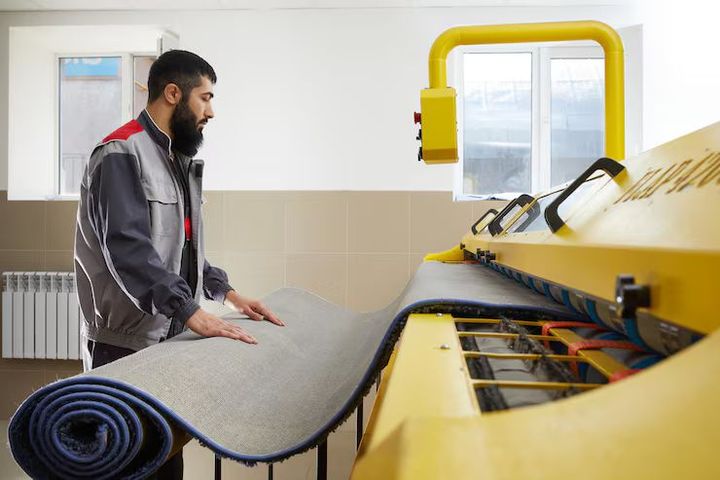
A fabric inspection machine allows fabric to pass through a controlled inspection area where its surface can be examined. Depending on the design, the machine may operate with the fabric moving continuously or in controlled sections.
The inspection process can identify issues such as holes, stains, broken yarns, weaving irregularities, color differences, wrinkles, slubs, missing yarns, and printing inconsistencies. The exact defects that can be identified depend on the material, inspection method, machine configuration, and operator.
How Fabric Inspection Developed
Early textile inspection relied heavily on manual examination under suitable lighting. Operators would observe fabric while it passed over a flat or inclined inspection surface and record defects using markings or written records.
Modern equipment has added mechanical fabric handling and electronic measurement. Some systems now combine automated fabric movement with digital defect recording and camera-based inspection.
Importance
Fabric inspection is an important part of textile quality control because defects can influence the appearance, performance, and usability of finished textile products. Inspection may take place at different stages, including after weaving or knitting, after dyeing and finishing, and before cutting or garment production.
For textile manufacturers, inspection helps identify irregularities before material progresses to later production stages. Early identification can make it easier to trace defects to a particular process and separate affected fabric sections.
Common Problems Identified
A fabric inspection machine can be used to identify a wide range of surface or structural irregularities. Examples include:
- Holes and tears
- Broken or missing yarns
- Stains and oil marks
- Slubs and knots
- Color variation
- Weaving or knitting faults
- Creases and wrinkles
- Printing defects
- Uneven fabric edges
- Contamination or foreign material
Not every machine can detect every type of defect. Detection depends on fabric construction, color, texture, lighting, machine configuration, and whether inspection is manual, automated, or a combination of methods.
Role in Textile Production
Inspection can help textile facilities organize information about fabric quality and identify recurring production issues. For example, repeated defects in a particular section of fabric may indicate a problem involving yarn, machinery, tension, dyeing, printing, or handling.
Fabric inspection can also support production planning by documenting usable and affected fabric lengths. This information can be relevant when fabric is prepared for cutting, garment production, upholstery, bedding, technical textiles, or other applications.
Recent Updates
From 2024 through 2026, fabric inspection technology has continued moving toward digital inspection, automated defect detection, machine vision, and production-data integration. The broader textile industry has increasingly explored systems that can capture inspection information electronically rather than relying entirely on manual records.
Automated Defect Detection
Machine-vision systems use cameras and image-processing software to examine fabric as it moves through an inspection area. Depending on the system, software can analyze patterns and identify differences that may correspond to predefined defect categories.
Artificial intelligence is also being incorporated into some textile inspection systems. Machine-learning methods can be trained to recognize particular fabric defects, although their accuracy depends on training data, fabric characteristics, lighting conditions, and system configuration.
Digital Measurement and Recording
Modern machines may include electronic length measurement, roll tracking, defect marking, touchscreen controls, and digital production records. These features can reduce manual recording and provide structured information about inspected fabric.
Some systems can connect inspection information with broader manufacturing software. This can allow inspection results to become part of a larger production-data workflow.
Flexible Inspection Systems
Textile manufacturers work with many different materials, including woven fabrics, knitted fabrics, denim, technical textiles, coated materials, and printed fabrics. As a result, inspection equipment is increasingly designed with adjustable speed, lighting, fabric tension, width, and inspection methods.
The appropriate configuration depends on the specific material and the type of defect being examined.
Laws or Policies
In India, fabric inspection machines operate within a wider framework of workplace safety, electrical safety, machinery operation, and textile quality requirements. The exact requirements depend on the machine, workplace, state, industrial activity, and applicable standards.
The Occupational Safety, Health and Working Conditions Code provides a national framework covering occupational safety and working conditions. The Ministry of Labour and Employment provides information and official materials relating to the Code and associated rules. (labour.gov.in)
The Bureau of Indian Standards also develops Indian Standards relevant to textiles, machinery, electrical equipment, testing, and workplace-related technical requirements. Its standards resources allow users to search for standards according to subject and standard number. (bis.gov.in)
Textile products can also be subject to specific Indian Standards depending on the material and intended application. Requirements may concern characteristics such as fabric composition, dimensions, colorfastness, strength, performance, labeling, or testing methods.
For a particular textile facility, applicable rules should be checked against the equipment specifications, workplace conditions, fabric type, and relevant Indian Standards. General information about fabric inspection machines does not replace technical, regulatory, or workplace safety guidance.
Tools and Resources
Several resources can help readers understand fabric inspection machines and textile quality processes.
Fabric Defect Charts
Defect classification charts are useful for learning the visual characteristics of common textile problems. They may group defects according to weaving, knitting, dyeing, printing, finishing, contamination, or handling.
Fabric Inspection Reports
An inspection report can record fabric identification, roll length, fabric width, defect location, defect type, severity, and inspection results. Digital systems may store these records automatically.
A basic inspection record can include:
| Inspection factor | Information commonly recorded |
|---|---|
| Fabric identification | Roll or batch reference |
| Fabric type | Woven, knitted, printed, coated, or technical |
| Fabric width | Measured usable width |
| Roll length | Inspected length |
| Defect type | Hole, stain, yarn fault, color variation, etc. |
| Defect location | Position along the fabric |
| Defect severity | Classification based on inspection criteria |
| Inspection result | Recorded quality status |
Standards and Testing Resources
BIS provides access to Indian Standards and information about standards development and certification. Textile laboratories and technical institutions can also provide information about recognized testing procedures and textile performance characteristics.
Machine Manuals and Technical Documents
Machine manuals are useful for understanding inspection width, operating speed, fabric tension, lighting arrangements, measurement systems, controls, maintenance requirements, and safety procedures.
Technical documentation should be checked before changing machine settings or integrating additional inspection equipment.
FAQs
What is a fabric inspection machine?
A fabric inspection machine is equipment used to examine textile material for visible defects and irregularities. It generally moves fabric through an illuminated inspection area while an operator or automated system examines the material.
How does a fabric inspection machine work?
Fabric is guided through rollers or a controlled inspection path while its surface is viewed under suitable lighting. Depending on the machine, fabric length can be measured and defects can be recorded manually or detected using cameras and software.
What types of fabric inspection machines are available?
Common types include manual fabric inspection machines, illuminated inspection tables, motorized fabric inspection machines, computerized systems, and automated machine-vision inspection systems. Their configurations differ according to fabric type, inspection requirements, and production volume.
What defects can fabric inspection machines detect?
They may identify holes, stains, broken yarns, slubs, missing yarns, wrinkles, color variations, printing problems, and other visible irregularities. Automated systems may be configured to recognize specific defect patterns.
What factors should be considered when selecting a fabric inspection machine?
Important factors include fabric width, material type, inspection speed, lighting, measurement accuracy, fabric tension control, defect-recording methods, automation level, machine dimensions, and compatibility with the intended production process.
Conclusion
Fabric inspection machines provide a structured way to examine textile materials for visible defects and production irregularities. Their functions can range from illuminated manual inspection and length measurement to automated camera-based defect detection. Recent developments have emphasized digital records, machine vision, artificial intelligence, and integration with manufacturing data systems. The appropriate equipment and inspection method depend on fabric characteristics, production requirements, workplace conditions, and applicable technical standards.