Book Stitching Machines Guide: Explore Types, Components, Speed, Applications, and Planning Factors
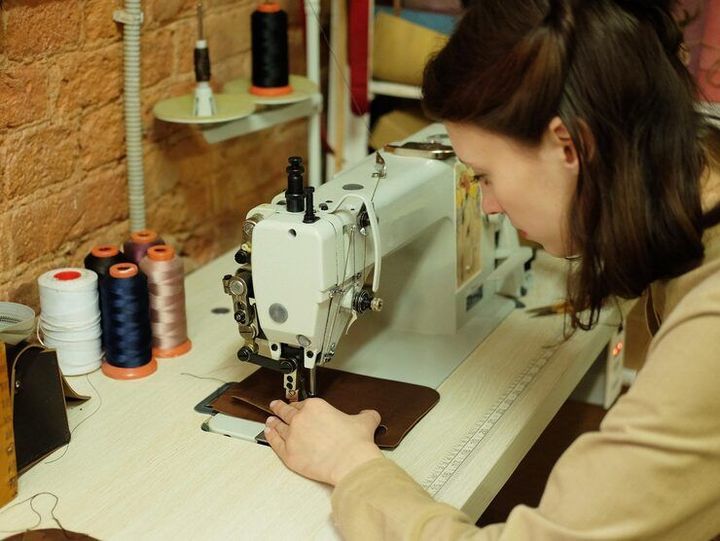
A book stitching machine is equipment used to join folded or gathered pages with thread before later binding and finishing operations. Book stitching is common in printing and publishing because thread can create a flexible connection between groups of pages while maintaining the structure of a book.
Traditional book production relied heavily on manual stitching, where individual sections were aligned and sewn using hand-operated methods. As printing volumes increased, mechanical stitching machines were developed to automate repeated stitching movements and improve consistency across larger batches.
Modern book stitching machines range from compact equipment for smaller production environments to automated systems integrated with gathering, folding, cover feeding, trimming, and binding equipment. Their configuration depends on the type of publication, page size, paper characteristics, stitching pattern, and required production speed.
What Book Stitching Means
Book stitching normally involves passing thread through the folded sections of a publication at predetermined positions. The thread connects the sections so that they can subsequently be combined with covers or other binding materials.
The process differs from wire stitching, which uses metal staples. Thread stitching is generally associated with sewn or section-sewn book structures, while wire stitching is commonly used for magazines, brochures, catalogs, and other products with relatively low page counts.
Where Book Stitching Machines Are Used
Book stitching machines can be found in environments involved in:
- Hardcover and softcover book production
- Textbook and educational publication production
- Notebook and journal manufacturing
- Religious and reference book production
- Catalog and booklet processing
- Short-run and specialized print finishing
- Section sewing before adhesive or case binding
The machine selected for an application depends on the physical characteristics of the publication and the required production workflow.
Importance
Book stitching affects how individual sections remain connected during later binding and how a finished publication opens and handles during use. Proper stitching requires accurate section positioning, consistent thread tension, suitable stitch placement, and coordination between feeding and sewing mechanisms.
For readers, the result can influence how pages remain attached and how a publication behaves when opened repeatedly. For printing and binding operations, stitching is one part of a larger sequence that can include folding, gathering, sewing, gluing, casing-in, pressing, and trimming.
Why Machine Selection Matters
Different publications require different stitching arrangements. A small book with several folded sections may require a different setup from a large textbook containing numerous sections.
Important planning factors include:
- Publication size and page dimensions
- Number of sections
- Paper thickness and flexibility
- Thread type
- Stitch pattern and spacing
- Required machine speed
- Feeding method
- Available floor space
- Operator controls
- Integration with other equipment
- Inspection requirements
A machine designed for one format may not be appropriate for every publication. Understanding these factors helps explain why book stitching equipment is available in several configurations.
Book Stitching and Product Quality
Consistent stitching depends on accurate feeding and synchronized mechanical movement. If sections are incorrectly positioned, thread tension is inconsistent, or the stitching head is improperly adjusted, the finished book may show loose threads, uneven stitch placement, damaged paper, or misaligned sections.
Regular inspection during production can identify these conditions before they affect a larger quantity of publications.
Recent Updates
From 2024 through 2026, developments in book stitching equipment have generally followed wider trends in print finishing, including automation, electronic controls, digital monitoring, faster format changes, and integration with other finishing systems.
Modern automated lines increasingly connect several operations into a coordinated workflow. A production line may combine gathering, sewing, cover handling, adhesive application, pressing, and trimming with electronic controls that coordinate material movement between stages.
Automation and Digital Controls
Automated book stitching machines can use sensors and programmable controls to monitor section feeding, machine movement, thread conditions, and other process variables. Electronic control systems can also make setup information easier to manage when production changes between different publication formats.
Automation is particularly useful where repeated production requires consistent movement and synchronization. The exact level of automation varies between machine designs.
Flexible Production
Print finishing has also moved toward equipment capable of handling multiple formats and production requirements. Adjustable stitching positions, programmable settings, modular feeding systems, and automated changeover features can help machines accommodate different book dimensions and section configurations.
These developments are part of a broader movement toward connected print-production equipment rather than isolated machines.
Stitching Speed and Throughput
Book stitching machine speed is commonly expressed in cycles, books, sections, or stitches per minute, depending on the machine design and manufacturer specifications. A quoted maximum speed does not necessarily represent the practical production rate because actual throughput can depend on page format, number of sections, thread configuration, feeding reliability, operator setup, and downstream equipment.
| Factor | Effect on Production |
|---|---|
| Machine speed | Determines potential operating rate |
| Number of sections | Influences feeding and stitching time |
| Publication size | Affects handling and machine setup |
| Thread configuration | Influences stitching sequence |
| Paper characteristics | Can affect feeding and penetration |
| Changeover time | Influences production between formats |
| Inspection frequency | Can affect continuous running time |
| Downstream equipment | Can determine overall line throughput |
For this reason, machine speed should be considered together with the complete production process rather than as an isolated figure.
Laws or Policies
In India, book stitching equipment used in industrial workplaces can fall within broader occupational safety and machinery requirements. The Occupational Safety, Health and Working Conditions Code, 2020 includes provisions concerning workplace safety, including safeguards for machinery and moving parts. The Ministry of Labour and Employment currently provides the Code along with Central Rules and related implementation information.
Machinery safety generally involves controlling access to moving components, maintaining appropriate guards, providing safe operating procedures, and ensuring that workers receive suitable information and instruction. The exact requirements can depend on the workplace, machine configuration, electrical characteristics, and applicable state or central rules.
Indian Standards can also be relevant to machinery components, electrical equipment, paper products, binding materials, and related manufacturing processes. BIS maintains a “Know Your Standard” platform that allows users to search standards using an IS number or keyword and access associated documents and information.
Where a particular product or equipment category is covered by a mandatory Quality Control Order, the applicable conformity requirements must be followed. BIS explains that products covered by compulsory certification requirements may need the applicable Standard Mark after the relevant order takes effect.
Because requirements can vary according to equipment type and workplace conditions, manufacturers and operators should verify the standards and regulations applicable to their specific installation.
Tools and Resources
Several resources can help readers understand book stitching machines and plan a suitable production setup.
Machine Specifications
A technical specification sheet normally contains information about supported book dimensions, stitching configuration, speed range, thread requirements, electrical requirements, machine dimensions, and compatible feeding systems. Comparing these specifications helps identify whether a machine can accommodate a particular publication format.
Production Planning Sheets
A simple planning sheet can record publication dimensions, number of sections, paper characteristics, stitching pattern, thread type, expected production rate, setup requirements, inspection points, and downstream processes.
This information can be used to map the complete workflow rather than evaluating the stitching machine separately.
Maintenance Records
Maintenance records can include lubrication activities, thread-path inspections, needle or stitching-head checks, alignment observations, cleaning, sensor checks, and replacement of worn components. Keeping these records can help identify recurring mechanical issues.
BIS Standards Portal
The BIS standards platform provides a searchable source for Indian Standards and related documentation. It can be useful when researching technical requirements associated with machinery, materials, and manufacturing processes.
Operator Documentation
Machine manuals, setup instructions, parts diagrams, safety instructions, and troubleshooting tables are important references for understanding a particular model. Since machine designs vary, general information should not replace the documentation supplied for the specific equipment.
FAQs
What is a book stitching machine?
A book stitching machine is equipment that joins folded or gathered book sections using thread. It is commonly used before additional binding and finishing processes.
How does a book stitching machine work?
A book stitching machine feeds sections into a controlled stitching area, positions them correctly, and passes thread through predetermined points. The stitching mechanism then forms a sequence that connects the sections.
What are the main components of a book stitching machine?
Common components include a feeding system, section guides, stitching head, needle mechanism, thread path, thread tension controls, drive system, sensors, machine frame, and operator control panel. Automated systems may include additional conveyors and synchronization controls.
What affects book stitching machine speed?
Machine speed can be affected by publication format, number of sections, paper characteristics, stitching configuration, feeding accuracy, thread arrangement, setup time, and downstream equipment. The maximum rated speed should therefore be distinguished from practical overall throughput.
What should be considered when planning a book stitching setup?
Important factors include publication size, number of sections, paper type, stitching pattern, thread requirements, production volume, machine speed, available space, operator requirements, safety provisions, maintenance needs, and integration with other finishing equipment.
Conclusion
Book stitching machines use controlled mechanical systems to join folded or gathered sections with thread as part of book production. Their designs vary according to publication format, stitching configuration, automation level, and required production rate. Recent equipment developments have emphasized automation, electronic controls, process monitoring, and integration with other print-finishing stages. In India, applicable workplace safety requirements and relevant Indian Standards should be considered when planning and operating book stitching equipment.