Artificial Intelligence (AI) is becoming a significant component of modern manufacturing. By combining machine learning, computer vision, predictive analytics, and automation technologies, manufacturers can improve operational efficiency, product quality, and decision-making processes. AI systems analyze large amounts of production data in real time, helping organizations identify patterns, predict equipment failures, and optimize manufacturing workflows.

The importance of AI in manufacturing has increased substantially in recent years due to rising production costs, supply chain disruptions, labor shortages, and growing customer expectations. Manufacturers are increasingly adopting digital transformation strategies to remain competitive while improving productivity and sustainability.
Recent developments in cloud computing, industrial Internet of Things (IIoT) devices, and advanced data analytics have accelerated AI adoption across factories worldwide. Governments and industry organizations are also supporting smart manufacturing initiatives through funding programs and innovation frameworks.
As manufacturing environments become more connected, AI is playing an increasingly important role in creating data-driven operations that improve efficiency, reduce waste, and support long-term business resilience.
Who It Affects and What Problems It Solves
AI in manufacturing affects a wide range of stakeholders, including factory operators, production managers, quality assurance teams, maintenance technicians, supply chain professionals, and business executives. It also impacts suppliers, distributors, and customers who benefit from improved production consistency and faster delivery times.
Large manufacturers often use AI to optimize complex production lines, while small and medium-sized enterprises are increasingly adopting AI-powered software tools through cloud-based platforms. Workers can benefit from enhanced safety systems, automated monitoring, and data-driven decision support that helps reduce repetitive tasks.
Manufacturing organizations face numerous operational challenges, including equipment downtime, inconsistent product quality, inefficient inventory management, and unpredictable demand fluctuations. AI technologies help address these issues by providing predictive insights and automation capabilities.
Problems AI Helps Solve
| Manufacturing Challenge | How AI Helps |
|---|---|
| Unplanned equipment failures | Predictive maintenance forecasts breakdowns before they occur |
| Quality defects | Computer vision identifies defects in real time |
| Production inefficiencies | AI optimizes workflows and machine utilization |
| Supply chain disruptions | Predictive analytics improves planning and forecasting |
| Excess inventory | Demand forecasting supports inventory optimization |
| Worker safety risks | AI monitoring systems identify potential hazards |
| Energy waste | AI analyzes energy consumption patterns |
| Labor shortages | Automation supports repetitive and routine tasks |
Recent Updates and Industry Trends
The past year has seen several notable developments in AI-driven manufacturing.
Rise of Generative AI in Industrial Operations
Manufacturers are increasingly exploring generative AI tools to improve documentation, maintenance procedures, workforce training, and operational knowledge management. These systems help employees access technical information more efficiently and support decision-making processes.
Expansion of Predictive Maintenance Programs
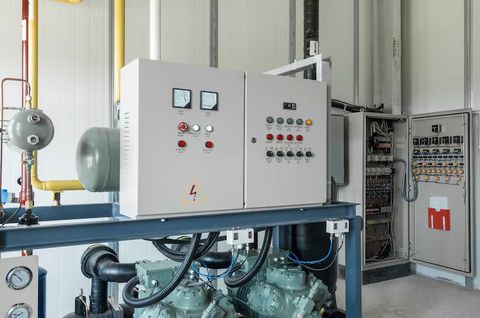
Predictive maintenance continues to be one of the most widely adopted AI applications. Organizations are deploying sensors and machine learning models that analyze vibration, temperature, pressure, and operational data to identify maintenance requirements before failures occur.
Increased Investment in Smart Factories
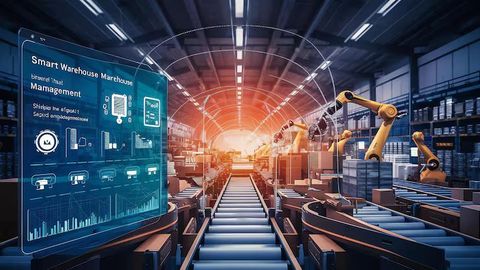
Many manufacturers are investing in smart factory initiatives that combine AI, IoT devices, robotics, and cloud platforms. These connected environments enable real-time monitoring and continuous process optimization.
AI-Powered Quality Inspection
Computer vision systems are becoming more accurate and accessible. Manufacturers are using AI-based inspection tools to identify defects, improve consistency, and reduce manual quality control workloads.
Sustainability and Energy Optimization
Environmental goals are driving AI adoption for resource optimization. AI systems help monitor energy usage, reduce waste generation, and support sustainability reporting initiatives.
Workforce Augmentation
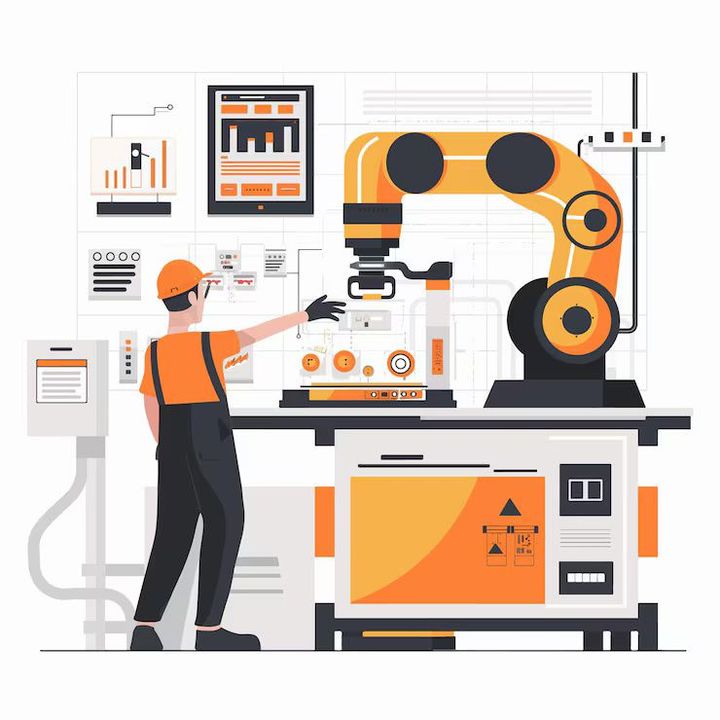
Rather than replacing workers entirely, many manufacturers are implementing AI systems that support employee productivity. Human workers increasingly collaborate with AI-powered tools and intelligent automation systems.
AI Applications Across Manufacturing Operations
The following table highlights common AI applications and their potential business impact.
| Manufacturing Area | AI Application | Primary Benefit |
|---|---|---|
| Production Planning | Demand Forecasting | Improved scheduling |
| Equipment Management | Predictive Maintenance | Reduced downtime |
| Quality Control | Computer Vision Inspection | Higher product consistency |
| Supply Chain | Inventory Optimization | Lower inventory costs |
| Warehouse Operations | Intelligent Automation | Faster fulfillment |
| Energy Management | Consumption Analytics | Reduced energy usage |
| Worker Safety | Risk Detection Systems | Enhanced workplace safety |
| Product Development | Design Optimization | Faster innovation cycles |
Typical AI Adoption Progress
| Stage | Description |
|---|---|
| Data Collection | Sensors gather operational data |
| Data Integration | Systems centralize manufacturing information |
| Analytics Deployment | AI models identify patterns |
| Automation Implementation | AI-driven decisions support operations |
| Continuous Optimization | Systems improve through ongoing learning |
Laws, Regulations, and Government Programs
AI adoption in manufacturing is increasingly influenced by regulations related to data privacy, cybersecurity, product safety, and responsible AI use.
Data Protection Requirements
Manufacturers that collect operational and employee-related data must comply with applicable data protection laws. Depending on the country, these may include requirements regarding data storage, processing transparency, and cybersecurity safeguards.
Industrial Cybersecurity Standards
As factories become more connected, cybersecurity regulations are receiving greater attention. Organizations deploying AI systems must ensure adequate protection against cyber threats, unauthorized access, and operational disruptions.
AI Governance Frameworks
Many governments are developing AI governance frameworks that emphasize:
- Transparency
- Accountability
- Risk management
- Human oversight
- Ethical AI deployment
Manufacturing Modernization Programs
Several countries offer incentives and support programs that encourage smart manufacturing investments. These initiatives often focus on:
- Digital transformation
- Industrial automation
- Workforce upskilling
- Research and development
- Industry 4.0 adoption
Practical Guidance
| Situation | Recommended Approach |
|---|---|
| Deploying AI for quality control | Validate model accuracy and maintain human oversight |
| Collecting operational data | Follow applicable data protection requirements |
| Implementing predictive maintenance | Establish clear governance and monitoring procedures |
| Using AI-generated recommendations | Maintain human review for critical decisions |
| Expanding factory connectivity | Strengthen cybersecurity controls |
Organizations should regularly review local regulations and industry standards when implementing AI technologies.
Tools and Resources
Several tools and platforms support AI adoption in manufacturing environments.
AI and Machine Learning Platforms
- Google Cloud AI
- Microsoft Azure AI
- Amazon Web Services Machine Learning
- IBM Watson
- Databricks
Industrial IoT Platforms
- Siemens Industrial IoT Solutions
- Schneider Electric EcoStruxure
- PTC ThingWorx
- GE Digital Platforms
- Bosch IoT Suite
Predictive Maintenance Solutions
- Uptake
- Senseye
- Fiix
- Augury
- Limble CMMS
Data Visualization and Analytics Tools
- Power BI
- Tableau
- Looker
- Grafana
- Qlik
Training and Learning Resources
- Manufacturing industry associations
- Online AI certification programs
- Industry 4.0 training platforms
- Technical universities and research centers
- Industrial automation workshops
Useful Templates and Frameworks
- AI readiness assessments
- Digital transformation roadmaps
- Manufacturing KPI dashboards
- Predictive maintenance planning templates
- Risk management frameworks
Frequently Asked Questions
What is AI in manufacturing?
AI in manufacturing refers to the use of machine learning, computer vision, predictive analytics, and intelligent automation technologies to improve production processes, quality control, maintenance, and decision-making.
How does AI improve manufacturing efficiency?
AI analyzes operational data to identify inefficiencies, optimize workflows, reduce downtime, improve scheduling, and support better resource utilization.
Is AI only suitable for large manufacturers?
No. Cloud-based solutions and software-as-a-service platforms have made AI technologies increasingly accessible to small and medium-sized manufacturers.
What is predictive maintenance?
Predictive maintenance uses AI models and sensor data to forecast equipment failures before they occur, helping organizations reduce unexpected downtime and maintenance costs.
What are the biggest challenges when implementing AI?
Common challenges include data quality issues, integration complexity, workforce training requirements, cybersecurity concerns, and establishing appropriate governance frameworks.
Conclusion
AI is becoming a foundational technology in modern manufacturing, supporting improvements in efficiency, quality control, predictive maintenance, supply chain management, and sustainability initiatives. Advances in machine learning, industrial IoT, and cloud computing have accelerated adoption across organizations of all sizes.
Current industry trends show growing investment in smart factories, AI-powered inspection systems, predictive maintenance programs, and workforce augmentation tools. At the same time, regulatory frameworks and cybersecurity requirements are becoming increasingly important considerations for manufacturers implementing AI solutions.
The evidence from industry adoption patterns suggests that organizations that successfully combine quality data, skilled personnel, and well-governed AI systems are more likely to realize operational improvements. For most manufacturers, the practical recommendation is to begin with clearly defined use cases—such as predictive maintenance or quality inspection—before expanding AI initiatives across broader operations.
As manufacturing continues its digital transformation journey, AI is expected to remain a key driver of operational innovation and long-term competitiveness.