Textile Waste Recycling Machines Explore: Explore Types, Processes, Components, Uses, and Benefits
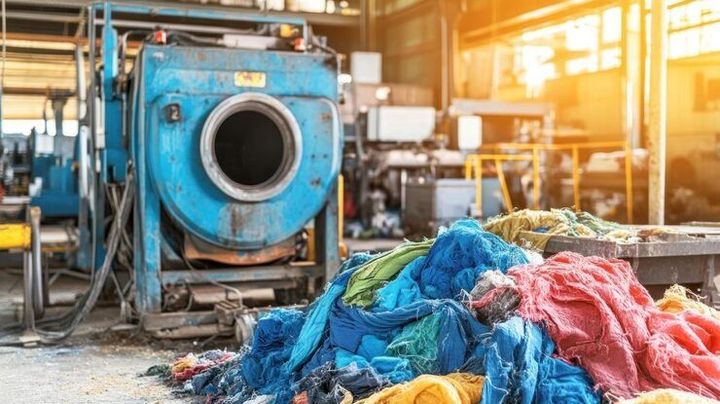
Textile waste recycling machines are equipment systems designed to process discarded or leftover textile materials and prepare them for reuse or further manufacturing. Textile waste can come from garment production, fabric cutting, damaged products, household textiles, and post-consumer clothing.
The need for textile recycling has increased as textile production has expanded and manufacturers, communities, and policymakers have focused more attention on material recovery. Depending on the type of textile, recycling can involve mechanical processing, chemical treatment, thermal processes, or combinations of these methods.
A textile waste recycling machine can perform specific tasks such as opening, shredding, separating, cutting, blending, carding, or compacting textile materials. The final processing route depends on fiber composition, contamination, fabric structure, and the intended application of the recovered material.
What Textile Waste Recycling Machines Do
Different machines handle different stages of textile waste processing. Some break fabrics into smaller pieces, while others separate fibers or prepare recovered material for spinning or nonwoven production.
A typical recycling line may include several machines rather than one standalone unit. The equipment can be arranged according to the characteristics of the incoming waste and the properties required from the recovered material.
Common Textile Waste Sources
Textile waste can be classified according to where it originates. Common sources include:
- Pre-consumer cutting scraps from garment manufacturing
- Yarn and fiber waste from textile production
- Damaged or rejected textile products
- Post-consumer clothing and household fabrics
- Used industrial textiles
- Mixed textile materials from collection systems
The composition of textile waste is important because cotton, polyester, wool, nylon, viscose, elastane, and blended fabrics behave differently during recycling.
Importance
Textile waste recycling is important because discarded textiles contain recoverable fibers and materials that can potentially be returned to manufacturing processes. Processing waste can reduce the amount of textile material directed toward disposal and can create secondary raw materials for selected applications.
The issue affects textile manufacturers, garment producers, recyclers, waste-management organizations, consumers, and communities. Efficient separation and processing are particularly important because mixed fibers, dyes, finishes, buttons, zippers, and other components can complicate recycling.
Environmental and Resource Considerations
Textile production requires raw materials, energy, water, chemicals, and transportation. Recovering textile fibers can help retain material value within production systems and reduce dependence on some virgin inputs, depending on the recycling method and application.
However, recycling does not automatically eliminate environmental impacts. Machines require electricity and maintenance, while transportation, cleaning, sorting, and additional processing can also require resources.
Challenges in Textile Recycling
One major challenge is fiber blending. A fabric containing cotton and polyester, for example, can be more difficult to recycle than a textile made from a single fiber type.
Other challenges include contamination, moisture, dyes, coatings, finishing chemicals, and mechanical damage. Accurate sorting before processing can therefore influence the quality and consistency of recovered material.
Recent Updates
From 2024 through 2026, textile recycling has increasingly been connected with circular-economy policies, automated sorting, fiber-to-fiber recycling, and improved material identification. The focus has gradually moved beyond simply managing textile waste toward recovering usable materials and maintaining them within production cycles.
In Europe, the European Commission's Ecodesign for Sustainable Products Regulation establishes a framework intended to improve product circularity and resource efficiency. The European Commission has also developed work around textile and footwear products as part of its broader sustainable-products framework.
The European Union's revised Waste Framework Directive has also strengthened attention to textile and footwear waste. Member States are required to establish systems for separate collection and management of these waste streams, with extended producer responsibility requirements becoming an important part of the framework.
Another development is the expansion of digital identification and automated sorting technologies. Near-infrared sensors, optical systems, cameras, and data-based classification methods can help identify materials before mechanical or chemical processing.
Mechanical Recycling Developments
Mechanical recycling remains an important route for cotton and other suitable textile materials. Modern systems can combine shredders, openers, cards, separators, and cleaning equipment to progressively reduce fabric waste into fibers.
The challenge is maintaining fiber length and quality during processing. Excessive mechanical action can shorten fibers, which may limit the applications of the recovered material.
Chemical and Advanced Recycling
Chemical recycling approaches are receiving attention for certain synthetic and blended textiles. These processes can use chemical treatments to separate or recover specific polymer or cellulose components.
Advanced recycling remains technically complex and depends on feedstock composition, chemical requirements, process controls, and recovery efficiency. The appropriate technology therefore varies according to the material being processed.
Laws or Policies
Textile waste recycling is influenced by waste-management, environmental, occupational-safety, and product regulations. The exact requirements depend on the country, material type, facility, and recycling process.
In India, waste management is regulated through a framework that includes rules issued under environmental legislation. The Central Pollution Control Board provides information and guidance concerning waste-management regulations and environmental compliance.
India has also introduced the Environmental Protection (Extended Producer Responsibility for Packaging) framework for packaging waste, while textile waste is addressed through broader waste-management and resource-efficiency initiatives. Requirements applicable to a particular textile recycling facility can depend on its activities, waste streams, emissions, wastewater, and local permissions.
Workplace safety is another consideration. Recycling equipment can contain rotating shafts, cutting mechanisms, conveyors, electrical systems, dust-producing operations, and compressed-air equipment. Facilities generally need appropriate guarding, operating procedures, worker training, ventilation, and protective equipment according to applicable occupational-safety requirements.
Because environmental and workplace requirements can change, facilities should verify current national, state, and local rules applicable to their specific operation.
Tools and Resources
Several tools and information sources can help readers understand textile recycling processes and equipment.
Material Identification Tools
Fiber identification equipment can help determine whether a textile contains cotton, polyester, wool, nylon, viscose, or a blend. Optical and near-infrared technologies can support automated sorting in larger facilities.
Textile Recycling Process Records
A basic process record can track incoming materials, processing conditions, and recovered output. Useful fields include:
| Process factor | Information to record |
|---|---|
| Feedstock | Fabric, garment, yarn, or fiber waste |
| Fiber composition | Single fiber or blended material |
| Sorting method | Manual, optical, or automated |
| Processing stage | Cutting, shredding, opening, carding, or separation |
| Machine condition | Operating status and inspection findings |
| Recovered material | Fiber, flakes, yarn feedstock, or nonwoven material |
| Quality checks | Fiber length, contamination, moisture, or appearance |
| Output use | Spinning, filling, insulation, wiping, or other application |
Industry and Regulatory Resources
Government environmental agencies, textile research organizations, standards bodies, and waste-management authorities publish information about textile waste, recycling methods, material classifications, and environmental requirements.
Technical manuals supplied with recycling equipment can also explain machine capacity, operating limits, maintenance requirements, compatible feedstock, and safety procedures.
Sorting and Measurement Equipment
Depending on the facility, useful equipment can include weighing systems, moisture meters, fiber identification instruments, contamination inspection tools, conveyors, magnets for metallic components, and optical sorting systems.
These tools support different stages of textile waste handling and help operators understand the characteristics of incoming and recovered materials.
FAQs
What are textile waste recycling machines?
Textile waste recycling machines are equipment used to process discarded or leftover textile materials into fibers, fragments, or other forms suitable for further use. Different machines perform tasks such as cutting, shredding, opening, separating, cleaning, and carding.
How does a textile waste recycling machine work?
The process depends on the material and machine configuration. A typical mechanical process may involve sorting, cutting, shredding, opening, cleaning, carding, and collecting the recovered fibers.
What types of textile waste can be recycled?
Textile waste can include cotton, polyester, wool, nylon, viscose, yarn waste, fabric scraps, and selected blended materials. Recycling suitability depends on fiber composition, contamination, fabric construction, and the intended recovery process.
What are the main components of textile recycling machines?
Common components include feeding systems, conveyors, cutting or shredding units, opening chambers, rollers, screens, separation systems, motors, control panels, dust-management equipment, and collection units. The exact configuration varies by recycling method.
What are the benefits of textile waste recycling?
Textile recycling can recover usable materials, reduce the volume of textile waste requiring disposal, and support circular material flows. The environmental outcome depends on the textile type, recycling technology, energy use, transportation, and the application of the recovered material.
Conclusion
Textile waste recycling machines process discarded fabrics, fibers, yarns, and garments through methods such as sorting, shredding, opening, separation, carding, and other recovery processes. Their design varies according to the fiber composition and the quality requirements of the recovered material. Recent developments have increased attention toward automated sorting, fiber-to-fiber recycling, circular-economy policies, and advanced processing technologies. Effective textile recycling also depends on appropriate material classification, equipment operation, environmental controls, and applicable regulations.