Smart Manufacturing Trends Explained: Tips, Knowledge, and Key Details
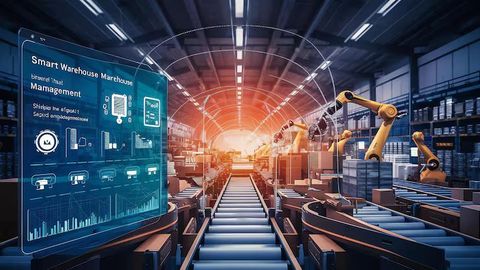
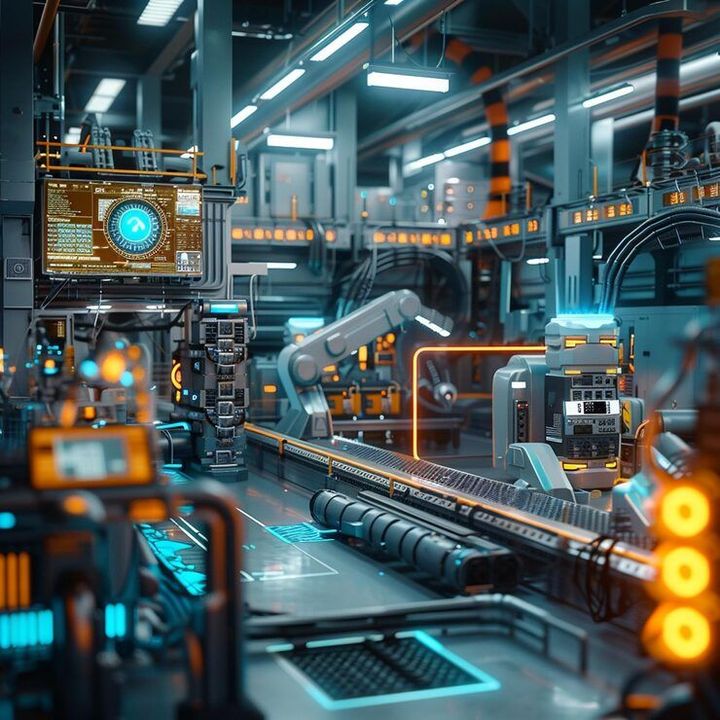
Smart manufacturing refers to the use of advanced digital technologies, connected systems, automation, and data analytics to improve manufacturing processes. It combines technologies such as Industrial Internet of Things (IIoT), artificial intelligence (AI), machine learning, robotics, cloud computing, digital twins, and advanced sensors to create more efficient and responsive production environments.
The topic has become increasingly important as manufacturers face rising operational costs, supply chain disruptions, labor shortages, sustainability requirements, and growing customer expectations. Organizations are seeking ways to improve productivity while maintaining product quality and operational resilience.
Recent years have seen accelerated adoption of Industry 4.0 technologies across sectors, including automotive, electronics, pharmaceuticals, aerospace, and consumer goods. Manufacturers are increasingly investing in predictive maintenance, real-time monitoring, autonomous systems, and data-driven decision-making.
The impact of these trends extends beyond factory floors. Smart manufacturing influences workforce development, energy efficiency, environmental sustainability, supply chain visibility, and global competitiveness. As digital transformation continues, understanding these trends helps businesses, policymakers, and professionals prepare for future manufacturing environments and technological advancements.
Who It Affects and What Problems It Solves
Smart manufacturing affects a wide range of stakeholders across the industrial ecosystem. Manufacturers benefit from improved operational efficiency, reduced downtime, enhanced quality control, and better resource utilization. Employees gain access to safer workplaces and more advanced digital tools that support decision-making. Suppliers and logistics providers benefit from improved visibility across supply chains, enabling better coordination and forecasting.
Consumers are also indirectly affected. Smart manufacturing can help organizations produce goods more efficiently, maintain consistent quality standards, and respond faster to changing market demands. Governments and regulatory bodies view advanced manufacturing as a strategic area for economic growth, innovation, and industrial competitiveness.
Problems Smart Manufacturing Helps Solve
| Challenge | How Smart Manufacturing Helps |
|---|---|
| Equipment downtime | Predictive maintenance identifies issues before failures occur |
| Production inefficiencies | Real-time analytics optimize operations |
| Labor shortages | Automation supports repetitive and labor-intensive tasks |
| Quality control issues | AI-powered inspection improves defect detection |
| Supply chain disruptions | Connected systems provide better visibility |
| High energy consumption | Smart monitoring improves energy efficiency |
| Slow decision-making | Real-time data enables faster responses |
| Safety concerns | Automated systems reduce hazardous human exposure |
Many manufacturers also use digital technologies to improve sustainability goals by reducing waste, optimizing resource consumption, and monitoring emissions more effectively.
Recent Updates and Emerging Trends
The past year has seen significant developments in smart manufacturing technologies and adoption strategies.
Artificial Intelligence Moves Beyond Pilot Projects
Manufacturers are increasingly deploying AI across production environments rather than limiting it to small-scale experiments. AI applications now support predictive maintenance, quality assurance, production planning, and inventory optimization.
Generative AI has also begun assisting engineers by analyzing manufacturing data, generating reports, and supporting troubleshooting processes.
Digital Twins Gain Wider Adoption
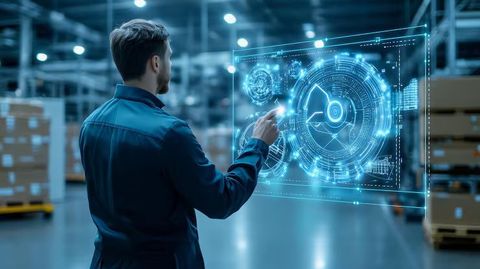
Digital twin technology continues to grow as organizations seek virtual representations of factories, machines, and production lines. These digital models help manufacturers simulate scenarios, predict outcomes, and optimize operations before implementing physical changes.
Industrial IoT Expansion
Connected sensors and IIoT devices are becoming more affordable and accessible. Manufacturers are collecting larger volumes of operational data, enabling more comprehensive monitoring and analysis across facilities.
Cybersecurity Becomes a Strategic Priority
As manufacturing systems become more connected, cybersecurity concerns have increased. Organizations are investing in industrial cybersecurity frameworks to protect operational technology (OT) and information technology (IT) environments.
Sustainability and Energy Management
Energy monitoring platforms, carbon tracking systems, and resource optimization tools are receiving increased attention. Environmental reporting requirements and sustainability targets are driving investment in smart energy management solutions.
Human-Machine Collaboration
Collaborative robots, often called cobots, are becoming more common. Unlike traditional industrial robots, cobots are designed to work alongside human employees, supporting productivity while maintaining flexibility.
Smart Manufacturing Technology Comparison
| Technology | Primary Purpose | Key Benefits | Common Industries |
|---|---|---|---|
| Artificial Intelligence | Data analysis and automation | Better forecasting and quality control | Automotive, electronics |
| Industrial IoT | Device connectivity | Real-time visibility | Manufacturing, logistics |
| Digital Twins | Virtual simulation | Improved planning and testing | Aerospace, automotive |
| Robotics | Process automation | Increased productivity | Automotive, packaging |
| Cloud Computing | Data storage and processing | Scalability and accessibility | All manufacturing sectors |
| Edge Computing | Local data processing | Faster response times | Industrial automation |
| Machine Vision | Automated inspection | Improved quality assurance | Electronics, pharmaceuticals |
| Predictive Maintenance | Equipment monitoring | Reduced downtime | Heavy industry, utilities |
Smart Manufacturing Maturity Overview
| Stage | Characteristics |
|---|---|
| Basic Digitalization | Digital records and connected equipment |
| Connected Operations | Real-time monitoring and reporting |
| Data-Driven Manufacturing | Advanced analytics and optimization |
| Intelligent Manufacturing | AI-assisted decision-making |
| Autonomous Manufacturing | Highly automated and self-optimizing systems |
Laws, Regulations, and Government Programs
Smart manufacturing is increasingly influenced by regulations, industry standards, and government initiatives.
Data Protection and Cybersecurity Requirements
Manufacturers handling operational and customer data must comply with applicable privacy and cybersecurity regulations. Connected production environments require secure data management practices and risk assessment procedures.
Industrial Safety Standards
Automation systems, robotics, and connected equipment must comply with workplace safety regulations. Manufacturers typically follow recognized safety standards and industry guidelines to reduce operational risks.
Environmental Compliance
Governments worldwide are introducing stricter environmental reporting and emissions monitoring requirements. Smart manufacturing technologies help organizations collect environmental data and demonstrate compliance.
Digital Transformation Incentives
Many countries support manufacturing modernization through grants, tax incentives, innovation programs, and technology adoption initiatives.
Practical Guidance
| Situation | Recommended Focus |
|---|---|
| Small manufacturer | Start with data collection and monitoring |
| Mid-sized facility | Implement predictive maintenance and analytics |
| Large enterprise | Develop an integrated digital transformation strategy |
| Highly regulated industry | Prioritize compliance and cybersecurity |
| Sustainability-focused organization | Invest in energy and emissions monitoring |
Tools and Resources
Several tools and platforms support smart manufacturing initiatives.
Industrial IoT Platforms
- Microsoft Azure IoT
- AWS IoT Services
- Siemens Industrial Edge
- PTC ThingWorx
- Schneider Electric EcoStruxure
Data Analytics and Visualization
- Power BI
- Tableau
- Grafana
- Qlik Sense
Digital Twin Solutions
- Siemens Xcelerator
- Dassault Systèmes Digital Twin Platforms
- Autodesk Solutions
- Ansys Simulation Tools
Manufacturing Execution Systems (MES)
- Rockwell Automation MES
- Siemens Opcenter
- AVEVA Manufacturing Solutions
Cybersecurity Resources
- NIST Cybersecurity Framework
- ISA/IEC 62443 Standards
- Industrial Cybersecurity Assessment Tools
Learning Resources
- Manufacturing Leadership Council
- Industry 4.0 educational programs
- Professional engineering associations
- Industrial automation training platforms
Frequently Asked Questions
What is smart manufacturing?
Smart manufacturing is the use of digital technologies, automation, analytics, and connected systems to improve manufacturing efficiency, productivity, and decision-making.
How is smart manufacturing different from traditional manufacturing?
Traditional manufacturing often relies on manual processes and limited data visibility, while smart manufacturing uses connected technologies and real-time analytics for optimization.
What are the main technologies used in smart manufacturing?
Common technologies include AI, Industrial IoT, robotics, cloud computing, digital twins, machine vision, and predictive maintenance systems.
Is smart manufacturing only for large companies?
No. Small and medium-sized manufacturers can adopt smart manufacturing gradually through cloud platforms, connected sensors, and analytics solutions.
Why is cybersecurity important in smart manufacturing?
Connected manufacturing systems can become targets for cyber threats. Strong cybersecurity measures help protect operations, intellectual property, and production continuity.
Conclusion
Smart manufacturing continues to evolve as organizations seek greater efficiency, resilience, and competitiveness. Technologies such as artificial intelligence, Industrial IoT, digital twins, robotics, and advanced analytics are moving from experimental projects to operational necessities across many industries.
Recent trends indicate growing emphasis on cybersecurity, sustainability, predictive maintenance, and human-machine collaboration. At the same time, governments and industry organizations are supporting digital transformation through standards, incentives, and modernization programs.
The most effective approach depends on organizational goals, operational complexity, and available resources. For many manufacturers, the strongest starting point is establishing reliable data collection and visibility systems before expanding into advanced automation and AI-driven capabilities. As digital transformation progresses, smart manufacturing is expected to remain a key driver of industrial innovation, productivity, and long-term operational improvement.