Shipping Tools AI Overview for Smarter Supply Chain Management
Shipping Tools AI refers to artificial intelligence software and automation systems used to improve logistics, package handling, inventory management, route optimization, delivery tracking, and supply chain coordination. These tools are increasingly used by e-commerce companies, freight operators, warehouses, manufacturers, and third-party logistics providers to manage large volumes of shipments with greater accuracy and efficiency.
The comparison between different AI shipping tools matters more today because global shipping networks have become more complex. Rising customer expectations for fast delivery, growing international trade, fuel cost fluctuations, and labor shortages have increased pressure on logistics operations. Businesses now rely on predictive analytics, machine learning, and automation platforms to reduce delays and improve visibility across supply chains.
Over the past few years, AI adoption in logistics has accelerated due to cloud computing growth and the expansion of digital commerce. Many companies now integrate AI-powered route planning, automated warehouse robotics, and real-time tracking systems into daily operations. Industry reports from logistics and consulting organizations indicate that automation and predictive shipping analytics are becoming standard operational requirements rather than optional technologies.
The impact extends beyond transportation efficiency. AI shipping tools influence inventory forecasting, carbon emission tracking, customer communication, customs documentation, and warehouse planning across both domestic and international logistics systems.
How Shipping Tools AI Affects Businesses and Logistics Operations
AI shipping tools affect multiple industries, especially e-commerce, retail, manufacturing, healthcare supply chains, wholesale distribution, and international freight management. Small online sellers use automation platforms to print labels, compare carrier rates, and manage returns, while large enterprises integrate AI systems into warehouse automation and fleet management.
Consumers are also indirectly affected because AI-driven logistics systems influence delivery speed, shipment accuracy, tracking visibility, and customer service responsiveness. Faster route optimization and automated inventory allocation help businesses meet delivery expectations more consistently.
Warehouses increasingly use AI to improve operational forecasting. Predictive demand systems estimate future inventory needs using historical purchasing patterns, seasonal demand changes, and regional shipping data. This reduces storage inefficiencies and lowers inventory shortages.
Problems Shipping Tools AI Helps Solve
| Logistics Challenge | How AI Shipping Tools Help |
|---|---|
| Delivery delays | Predictive route optimization and traffic analysis |
| Inventory imbalance | Demand forecasting and automated replenishment |
| High shipping costs | Carrier comparison and shipment consolidation |
| Manual documentation | Automated invoice and customs processing |
| Limited shipment visibility | Real-time package tracking and analytics |
| Warehouse inefficiency | AI-driven picking and storage optimization |
| Customer support overload | Automated tracking notifications and chat systems |
| Fuel consumption | Smart routing and fleet efficiency planning |
Many logistics providers also use AI tools to predict disruptions caused by weather conditions, port congestion, or transportation bottlenecks. These predictive systems help businesses prepare backup delivery routes and reduce operational downtime.
Recent Updates and Industry Trends in Shipping Tools AI
The shipping AI industry has experienced major developments during the past year. Several logistics software providers introduced generative AI features that automate shipment documentation, customer communication, and logistics reporting. AI-powered conversational systems are now integrated into shipping dashboards to simplify operations for warehouse managers and support teams.
Key Trends in Shipping and Logistics AI
Expansion of Predictive Analytics
Predictive analytics tools are becoming more advanced in estimating delivery windows, forecasting shipping delays, and identifying high-risk routes. Companies increasingly use machine learning models trained on traffic, weather, fuel, and historical shipment data.
Growth of AI Warehouse Robotics
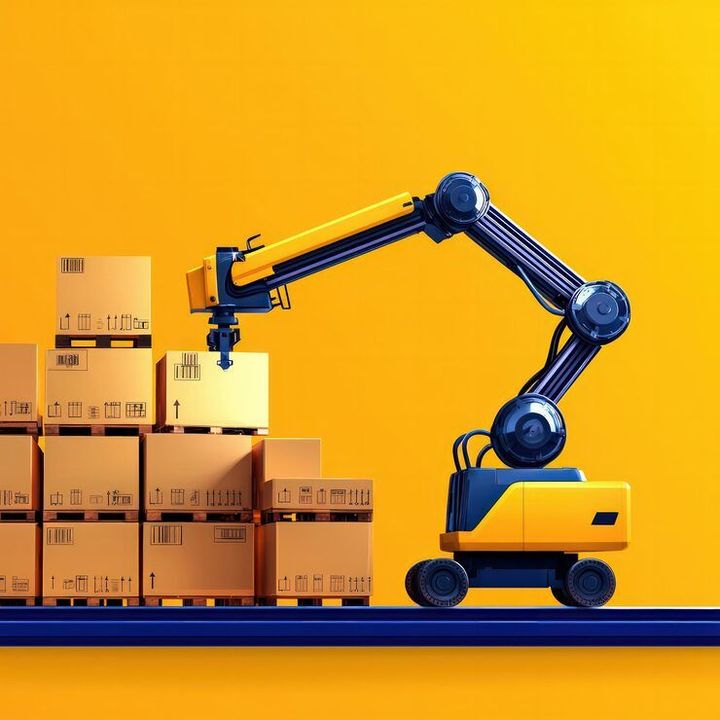
Warehouse automation has expanded rapidly due to labor shortages and rising order volumes. AI-guided robotic systems now assist with inventory scanning, sorting, packing, and item retrieval in fulfillment centers.
Sustainability and Emission Monitoring
Environmental regulations and sustainability reporting requirements are pushing logistics firms to adopt AI systems that monitor fuel efficiency and carbon emissions. Some platforms provide route optimization designed specifically to reduce environmental impact.
Increased Use of Real-Time Tracking Intelligence
Shipment visibility tools now include AI-generated predictive delivery alerts. Instead of only showing package location, newer systems estimate delays and automatically update customers before disruptions occur.
Integration with E-Commerce Platforms
AI shipping systems increasingly connect directly with e-commerce marketplaces and inventory management software. This allows businesses to automate order routing, warehouse allocation, and shipping label creation from a single dashboard.
Comparison Table of Shipping Tools AI Features
| Feature Category | Basic Shipping Software | AI-Powered Shipping Tools |
|---|---|---|
| Route Planning | Manual or static routes | Dynamic AI route optimization |
| Delivery Prediction | Limited ETA accuracy | Predictive delivery estimates |
| Inventory Forecasting | Basic reporting | Machine learning forecasting |
| Carrier Selection | Manual comparison | Automated carrier optimization |
| Customer Notifications | Standard tracking emails | Intelligent delay prediction alerts |
| Warehouse Automation | Minimal automation | Robotics and AI picking systems |
| Fuel Optimization | Basic analytics | Real-time fuel efficiency analysis |
| Customs Documentation | Manual entry | Automated document generation |
| Fraud Detection | Limited monitoring | AI anomaly and risk detection |
| Scalability | Moderate | High-volume operational support |
Common AI Shipping Tool Categories
| Tool Category | Main Purpose |
|---|---|
| Route Optimization Platforms | Improve delivery efficiency |
| Warehouse Management Systems | Organize inventory and fulfillment |
| Fleet Management Software | Track vehicles and drivers |
| Shipment Visibility Tools | Provide real-time tracking |
| Freight Analytics Platforms | Analyze transportation costs |
| Automated Customs Systems | Simplify cross-border shipping |
| AI Demand Forecasting Tools | Predict inventory needs |
Laws, Regulations, and Policies Affecting Shipping Tools AI
Shipping AI systems are influenced by transportation regulations, data privacy laws, customs compliance requirements, and environmental policies. Different countries apply varying rules depending on the type of shipment, industry sector, and geographic region.
Data Protection and Privacy Compliance
AI shipping platforms process customer addresses, order histories, payment records, and tracking information. As a result, businesses must comply with privacy regulations such as:
- General Data Protection Regulation (GDPR) in Europe
- California Consumer Privacy Act (CCPA) in the United States
- Digital Personal Data Protection Act (DPDP) in India
Companies using AI logistics systems must ensure proper data storage, encryption, and access management practices.
Customs and International Shipping Rules
Cross-border shipping AI tools must comply with customs documentation standards and international trade regulations. Automated customs systems help businesses manage:
- Harmonized tariff codes
- Commercial invoices
- Import/export declarations
- Restricted goods verification
- Tax and duty calculations
Errors in automated documentation can lead to shipment delays or customs penalties, making compliance monitoring essential.
Environmental and Sustainability Regulations
Governments are introducing stricter reporting standards related to transportation emissions and fuel usage. Logistics companies increasingly use AI tools to measure carbon output and optimize routes for reduced fuel consumption.
Practical Guidance for Different Situations
| Business Situation | Recommended AI Shipping Focus |
|---|---|
| Small online store | Automated label creation and tracking |
| International exporter | Customs compliance automation |
| Local delivery company | Route optimization and fleet analytics |
| Large warehouse | Robotics and inventory forecasting |
| Subscription business | Demand prediction and shipping scheduling |
| High-value goods shipping | Fraud detection and tracking visibility |
Businesses selecting AI shipping tools should evaluate regulatory compatibility, integration capabilities, and data security standards before implementation.
Useful Tools and Resources for Shipping AI Operations
Several software platforms and logistics resources help businesses manage AI-driven shipping operations more efficiently.
Popular Shipping and Logistics AI Platforms
| Tool or Platform | Primary Function |
|---|---|
| Route optimization software | Delivery planning and navigation |
| Warehouse management systems | Inventory and fulfillment control |
| Freight analytics dashboards | Transportation cost analysis |
| Automated customs software | Cross-border compliance |
| Shipment tracking platforms | Real-time logistics visibility |
| Fleet monitoring systems | Driver and vehicle management |
| AI demand forecasting tools | Inventory prediction |
Helpful Digital Resources
- Shipping rate calculators
- Fuel consumption estimators
- Customs documentation templates
- Delivery zone mapping tools
- Warehouse capacity planners
- Packaging dimension calculators
- Logistics KPI dashboards
Operational Metrics Commonly Tracked
| Logistics Metric | Why It Matters |
|---|---|
| Delivery accuracy | Measures fulfillment reliability |
| Average shipping cost | Tracks operational expenses |
| Warehouse turnover rate | Evaluates inventory movement |
| Fuel efficiency | Monitors transportation performance |
| Return shipment rate | Identifies customer fulfillment issues |
| Order processing speed | Measures warehouse productivity |
Many organizations also integrate AI logistics systems with enterprise resource planning platforms and customer relationship management software for centralized operational visibility.
Frequently Asked Questions
What is Shipping Tools AI?
Shipping Tools AI refers to artificial intelligence systems used to automate logistics, shipping management, warehouse operations, route planning, and shipment tracking processes.
How do AI shipping tools improve delivery operations?
AI systems analyze traffic patterns, shipment history, weather conditions, and operational data to optimize routes, reduce delays, and improve delivery accuracy.
Are AI shipping tools only useful for large companies?
No. Small businesses and e-commerce sellers also use AI shipping software for label generation, carrier comparison, inventory forecasting, and shipment tracking automation.
Can AI shipping tools help reduce logistics costs?
Yes. Many platforms improve route efficiency, reduce fuel usage, automate documentation, and optimize warehouse operations, which may lower operational expenses over time.
What industries commonly use shipping AI systems?
Retail, manufacturing, healthcare logistics, e-commerce, wholesale distribution, food supply chains, and freight transportation companies frequently use AI shipping technologies.
Conclusion
Shipping Tools AI has become an important part of modern logistics and supply chain management. As delivery networks grow more complex, businesses increasingly depend on AI-driven systems for route optimization, inventory forecasting, warehouse automation, and shipment visibility.
Recent developments show that logistics automation is moving beyond simple tracking systems toward predictive analytics and intelligent operational planning. Companies adopting AI shipping tools often focus on improving delivery accuracy, reducing operational inefficiencies, and strengthening supply chain resilience.
The most suitable AI shipping solution depends on operational scale, shipping volume, regulatory requirements, and geographic coverage. Small businesses may benefit most from automation and tracking tools, while large logistics providers often require advanced analytics, warehouse robotics, and predictive demand systems.
Overall, AI shipping technologies are expected to remain a major component of future logistics infrastructure as global commerce, sustainability requirements, and customer delivery expectations continue evolving.