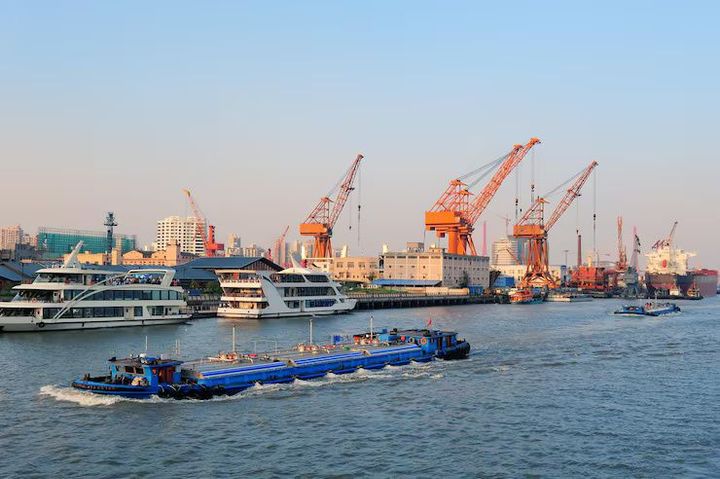
Offshore systems are engineered structures, equipment, and operational frameworks deployed in marine environments to support activities such as energy production, telecommunications, transportation, environmental monitoring, and marine resource extraction. These systems include offshore platforms, subsea infrastructure, floating production units, offshore wind farms, underwater pipelines, and support vessels.
The importance of offshore systems has increased significantly in recent years due to growing global energy demand, the expansion of renewable energy projects, and advancements in offshore engineering technologies. Governments and industries are investing heavily in offshore infrastructure to improve energy security, reduce carbon emissions, and access resources located far from shore.
Recent developments in offshore wind energy, digital monitoring systems, autonomous inspection technologies, and subsea robotics have transformed how offshore assets are designed and maintained. As climate goals become more prominent worldwide, offshore systems are increasingly viewed as critical infrastructure supporting both traditional energy production and renewable energy transition strategies.
Understanding offshore systems is important for engineers, policymakers, investors, environmental specialists, and organizations involved in marine operations because these systems influence energy supply, environmental management, economic development, and technological innovation across multiple industries.

Who Offshore Systems Affect and What Problems They Solve
Offshore systems affect a broad range of stakeholders. Energy companies rely on them to extract oil and natural gas from offshore reserves and generate electricity through offshore wind installations. Governments depend on offshore infrastructure to strengthen energy independence and support economic growth. Maritime industries use offshore systems to improve navigation, communications, and logistics operations.
Environmental agencies and research institutions also benefit from offshore monitoring systems that collect oceanographic and climate-related data. Coastal communities may experience economic benefits through employment opportunities and infrastructure investments associated with offshore projects.
Key Problems Offshore Systems Solve
| Problem | How Offshore Systems Help |
|---|---|
| Limited land-based energy resources | Access offshore oil, gas, and wind resources |
| Growing electricity demand | Increase energy generation capacity |
| Carbon reduction goals | Support renewable offshore wind projects |
| Marine monitoring challenges | Enable real-time environmental data collection |
| Deep-water resource extraction | Provide specialized subsea infrastructure |
| Remote operations management | Use digital monitoring and automation technologies |
| Communication limitations | Support submarine cable networks and offshore connectivity |
Modern offshore systems improve operational efficiency while helping industries access resources that would otherwise remain economically or technically inaccessible.
Recent Updates and Industry Trends
The offshore systems sector experienced notable developments during the past year, particularly in renewable energy, automation, and digital transformation.
Expansion of Offshore Wind Projects
Many countries continue expanding offshore wind capacity as part of their clean-energy strategies. Floating wind turbine technology has gained attention because it allows deployment in deeper waters where fixed-bottom turbines are impractical.
Increased Use of Digital Twins
Digital twin technology has become increasingly common in offshore operations. These virtual representations of physical assets allow operators to monitor equipment performance, predict maintenance needs, and optimize operational efficiency.
Growth of Autonomous Inspection Systems
Remotely operated vehicles (ROVs), autonomous underwater vehicles (AUVs), and drone-based inspections are reducing the need for hazardous manual inspections. These technologies improve safety while lowering operational costs.
Carbon Capture and Storage (CCS) Projects
Several offshore energy operators are exploring carbon capture and storage facilities using depleted offshore reservoirs. This trend supports broader decarbonization efforts across industrial sectors.
Enhanced Cybersecurity Measures
As offshore systems become more connected through digital platforms, cybersecurity has become a priority. Operators increasingly invest in monitoring systems designed to protect operational technology and critical infrastructure.
Offshore Systems Comparison Table
| Offshore System Type | Primary Purpose | Typical Location | Advantages | Challenges |
|---|---|---|---|---|
| Fixed Offshore Platforms | Oil and gas production | Shallow to medium waters | Stable structure | High installation costs |
| Floating Production Systems | Hydrocarbon extraction | Deep waters | Flexible deployment | Complex maintenance |
| Offshore Wind Farms | Electricity generation | Coastal offshore zones | Renewable energy source | Weather dependence |
| Subsea Production Systems | Resource extraction | Deep-sea environments | Reduced surface footprint | Technical complexity |
| Offshore Pipelines | Resource transportation | Seabed routes | Efficient transport | Corrosion management |
| Floating Wind Platforms | Renewable energy generation | Deep-water regions | Access stronger winds | Emerging technology risks |
| Marine Monitoring Systems | Environmental data collection | Various marine locations | Real-time insights | Data management requirements |
Offshore Infrastructure Lifecycle Overview
| Stage | Main Activities |
|---|---|
| Planning | Feasibility studies, surveys, permitting |
| Design | Engineering and risk assessments |
| Construction | Fabrication and installation |
| Operations | Production, monitoring, maintenance |
| Upgrades | Equipment modernization |
| Decommissioning | Asset removal and environmental restoration |
Laws, Regulations, and Government Policies
Offshore systems operate under strict regulatory frameworks designed to ensure safety, environmental protection, and operational reliability.
Environmental Regulations
Most countries require comprehensive environmental impact assessments before offshore projects receive approval. These assessments evaluate potential impacts on marine ecosystems, fisheries, wildlife, and coastal communities.
Safety Standards
Operators must comply with offshore safety regulations covering worker protection, emergency response planning, equipment integrity, and operational procedures. International standards often guide these requirements.
Renewable Energy Policies
Many governments provide regulatory support for offshore wind development through permitting frameworks, grid connection programs, and renewable energy targets.
Maritime and Navigation Rules
Offshore installations must comply with maritime safety requirements to avoid interference with shipping lanes and navigation systems.
Decommissioning Requirements
Regulators typically require operators to establish plans for safe asset removal and site restoration when offshore facilities reach the end of their operational life.
Practical Guidance
Fixed Platforms May Be Suitable When:
- Water depth is relatively shallow.
- Long-term resource production is expected.
- Stable infrastructure is required.
Floating Systems May Be Suitable When:
- Resources are located in deep waters.
- Flexible deployment is important.
- Future relocation could be beneficial.
Offshore Wind Projects May Be Suitable When:
- Renewable energy goals are prioritized.
- Strong offshore wind resources exist.
- Grid integration infrastructure is available.
Organizations should evaluate local regulations, environmental considerations, project economics, and operational risks before selecting a particular offshore system approach.
Tools and Resources for Offshore Systems
Various digital tools and industry resources support offshore planning, operations, maintenance, and compliance activities.
Engineering and Design Software
| Tool Category | Purpose |
|---|---|
| CAD Platforms | Infrastructure design and modeling |
| Simulation Software | Structural and environmental analysis |
| CFD Tools | Fluid dynamics assessment |
| Geotechnical Software | Seabed condition evaluation |
Monitoring and Inspection Technologies
- Remote sensing systems
- Autonomous underwater vehicles (AUVs)
- Remotely operated vehicles (ROVs)
- Asset integrity monitoring platforms
- Predictive maintenance software
- Digital twin solutions
Environmental Assessment Resources
- Oceanographic databases
- Weather forecasting platforms
- Marine biodiversity assessment tools
- Environmental impact modeling software
Industry Standards and Guidance
Organizations often consult:
- International offshore engineering standards
- Maritime safety guidelines
- Environmental compliance frameworks
- Renewable energy best-practice documents
- Asset integrity management standards
Project Management Resources
- Risk assessment templates
- Offshore maintenance planning tools
- Regulatory compliance checklists
- Emergency response planning frameworks
These resources help organizations improve safety, operational efficiency, and regulatory compliance throughout the asset lifecycle.
Frequently Asked Questions
What are offshore systems?
Offshore systems are infrastructure, equipment, and technologies installed in marine environments to support activities such as energy production, communications, transportation, and environmental monitoring.
Why are offshore systems important?
They enable access to offshore resources, support renewable energy generation, improve marine monitoring, and contribute to economic development and energy security.
What industries use offshore systems?
Energy, telecommunications, maritime transportation, environmental research, defense, and offshore renewable energy sectors commonly use offshore systems.
What are the biggest challenges facing offshore systems?
Major challenges include harsh environmental conditions, maintenance costs, regulatory compliance, cybersecurity risks, and technical complexity in deep-water operations.
How are offshore systems becoming more sustainable?
Organizations are adopting offshore wind technologies, digital monitoring systems, carbon capture projects, predictive maintenance solutions, and environmentally focused engineering practices to improve sustainability.
Conclusion
Offshore systems remain a critical component of global energy, infrastructure, and marine operations. Their role continues to expand as governments and industries pursue energy diversification, renewable power generation, and advanced offshore resource management.
Recent industry developments—including floating offshore wind platforms, digital twins, autonomous inspection technologies, and carbon capture initiatives—demonstrate how offshore systems are evolving to meet modern operational and environmental requirements. While challenges such as regulatory compliance, maintenance costs, and cybersecurity concerns remain significant, technological innovation continues to improve efficiency and safety.
For organizations evaluating offshore infrastructure investments, the most effective approach depends on water depth, project objectives, environmental conditions, regulatory requirements, and long-term operational goals. A well-planned offshore system supported by appropriate technology, compliance measures, and lifecycle management practices can deliver reliable performance while supporting broader economic and sustainability objectives.