LED Advantages Guide: Efficiency, Lifespan, and Environmental Impact
Light plays an important role in everyday life. It helps people work, study, travel, and enjoy activities after dark. Over the years, lighting technology has changed significantly, moving from traditional incandescent bulbs to more advanced solutions. One of the most widely adopted lighting technologies today is LED lighting.
LED stands for Light Emitting Diode. Unlike older lighting systems that generate light through heated filaments, LEDs produce light through a semiconductor process. This difference has contributed to their growing popularity in homes, offices, schools, factories, public spaces, and transportation systems.
Understanding the advantages of LED lighting can help individuals and organizations make informed decisions about lighting choices. From energy efficiency to durability, LEDs provide several practical benefits that have influenced their widespread use around the world.
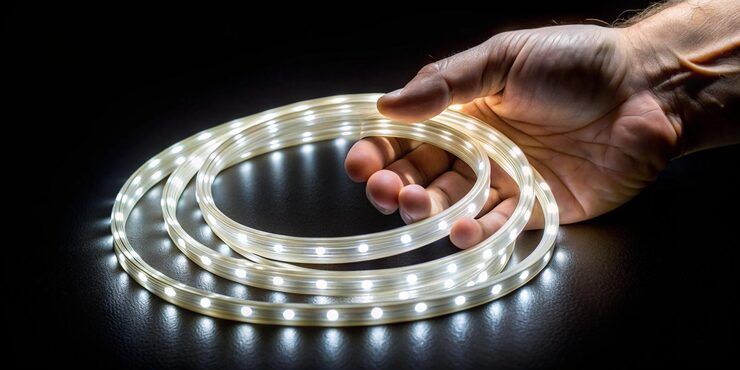
What Makes LED Lighting Different?
Traditional incandescent bulbs create light by heating a metal filament until it glows. While effective, much of the energy used in this process becomes heat rather than visible light.
LEDs work differently. They generate light through the movement of electrons within a semiconductor material. Because of this design, LEDs convert a larger portion of energy into light and produce much less heat.
This technological difference is one of the main reasons LEDs have become increasingly common in modern lighting applications.
Improved Energy Efficiency
One of the most recognized advantages of LED lighting is energy efficiency. LEDs require less electricity to produce the same level of brightness compared with many older lighting technologies.
Energy efficiency matters in a variety of settings. Households may experience lower electricity consumption, while businesses and public facilities can reduce overall energy demand across large lighting systems.
As countries focus on energy conservation and environmental sustainability, efficient lighting technologies continue to play an important role in reducing unnecessary energy use.
Longer Lifespan
LED lights are known for their extended operating life. Many LED products can function for thousands of hours before noticeable reductions in brightness occur.
This longer lifespan means fewer replacements over time. In locations where lighting fixtures are difficult to access, such as high ceilings, street lighting, or industrial facilities, reduced replacement frequency can simplify maintenance planning.
The durability of LED technology has contributed significantly to its adoption in both residential and commercial environments.
Reduced Heat Production
Traditional light bulbs often become very hot during operation. A significant amount of energy is released as heat rather than visible light.
LEDs produce much less heat, making them more efficient and often safer in many applications. Lower heat output can also help maintain comfortable indoor environments, particularly in spaces where many lights operate simultaneously.
Reduced heat generation is one reason LEDs are commonly used in enclosed fixtures, display lighting, and temperature-sensitive environments.
Better Environmental Impact
Environmental concerns have encouraged the development and adoption of more efficient technologies. LED lighting contributes to sustainability efforts in several ways.
First, lower energy consumption can reduce demand on power generation systems. Second, the longer lifespan of LEDs means fewer discarded bulbs over time. Third, many LED products do not contain mercury, a substance found in certain older lighting technologies.
These factors support broader environmental goals focused on resource conservation and waste reduction.
Instant Illumination
Some traditional lighting systems require a short warm-up period before reaching full brightness. LEDs generally achieve full illumination almost immediately when switched on.
This characteristic is useful in locations where immediate visibility is important, including hallways, staircases, parking areas, warehouses, and outdoor pathways.
Instant lighting also improves convenience in everyday household use.
Greater Durability
LEDs are designed differently from conventional bulbs. Because they do not rely on fragile filaments or glass structures in the same way as older technologies, they are often more resistant to vibration and physical impact.
This durability makes LED lighting suitable for a variety of environments, including transportation systems, manufacturing facilities, outdoor installations, and recreational areas.
Improved resilience can help maintain consistent lighting performance under demanding conditions.
Wide Range of Applications
LED technology is highly versatile. It can be adapted for numerous lighting purposes, including:
- Residential lighting
- Office lighting
- Street lighting
- Automotive lighting
- Decorative lighting
- Industrial facilities
- Sports venues
- Retail displays
- Educational institutions
- Healthcare environments
This flexibility has allowed LEDs to become an important component of modern lighting infrastructure across many sectors.
Enhanced Design Flexibility
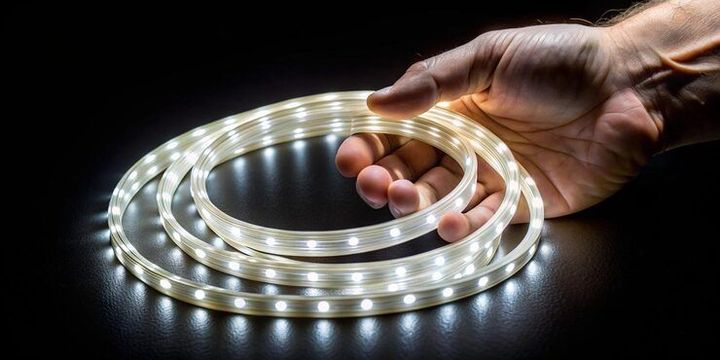
LEDs are available in a variety of shapes, sizes, and configurations. Their compact design allows manufacturers to create lighting products that fit diverse architectural and functional requirements.
Designers can incorporate LEDs into ceiling fixtures, wall installations, landscape lighting, signage, display systems, and other creative applications.
The adaptability of LED technology supports both practical and aesthetic lighting goals.
Improved Light Quality
Modern LED lighting can provide consistent illumination with various color temperatures. Depending on the intended use, lighting can range from warm tones that create a comfortable atmosphere to cooler tones that support visibility and concentration.
Advances in LED technology have improved color accuracy and lighting uniformity, helping users create environments that suit different activities and preferences.
Quality lighting contributes to comfort, productivity, and visual clarity.
Compatibility with Smart Systems
Many modern LED lighting products can integrate with smart technologies. These systems may include scheduling features, motion sensors, dimming controls, and remote operation through connected devices.
Smart lighting capabilities allow users to manage illumination more efficiently while adapting lighting conditions to changing needs throughout the day.
As connected technologies continue to evolve, LED lighting remains an important part of smart building and home automation systems.
Lower Maintenance Requirements
Because LEDs typically operate for extended periods and are designed for durability, maintenance needs are often reduced compared with some traditional lighting technologies.
In large facilities, public infrastructure projects, and commercial buildings, reduced maintenance can simplify operational planning and decrease interruptions caused by frequent bulb replacements.
This practical advantage contributes to the long-term value of LED installations.
Supporting Modern Sustainability Goals
Governments, organizations, and communities worldwide are pursuing strategies that encourage efficient resource use. Lighting is a significant component of energy consumption in many buildings, making efficiency improvements especially important.
LED technology aligns with these goals by supporting energy conservation, reducing waste, and promoting responsible resource management.
As sustainability initiatives continue to expand, efficient lighting solutions are expected to remain an important part of environmental planning efforts.
Conclusion
LED lighting has transformed the way people illuminate homes, workplaces, public spaces, and transportation systems. Its combination of energy efficiency, long lifespan, reduced heat output, durability, and design flexibility has made it one of the most widely adopted lighting technologies in the modern world.
In addition to supporting environmental objectives, LEDs provide practical benefits that improve convenience, reliability, and lighting performance across many applications. As technology continues to advance, LED lighting is likely to remain a significant part of global efforts to create efficient, sustainable, and adaptable lighting solutions.