Industrial Machinery Basics: How Modern Equipment Powers Industry
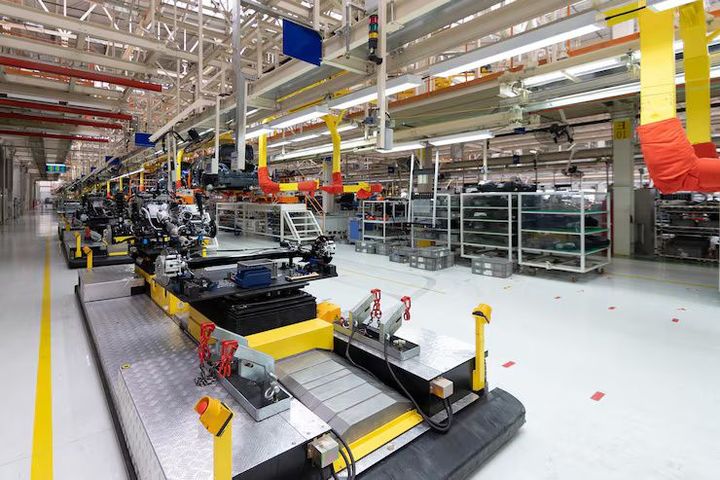
Industrial machinery plays a major role in the production of everyday products. From the food people eat to the vehicles they drive and the buildings they use, many items are created with the help of powerful machines. These systems help industries handle repetitive tasks, improve consistency, and support large-scale production.
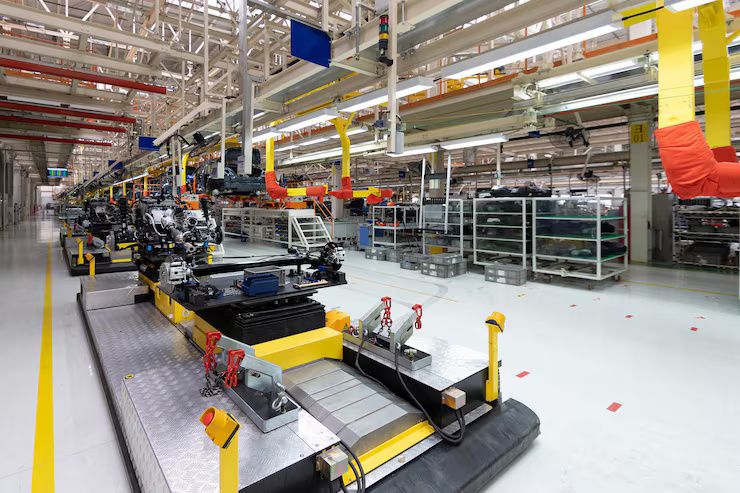
Although industrial machinery may seem complex, understanding its purpose is easier than many people expect. This guide explains what industrial machinery is, the common types of equipment, where it is used, how it works, and why proper maintenance matters.
What Is Industrial Machinery?
Industrial machinery refers to mechanical or automated equipment designed to perform manufacturing, processing, packaging, material handling, and construction tasks. These machines are built to operate for long periods while handling materials more efficiently than manual methods.
Some machines work independently, while others are connected through automated production lines. Modern equipment often includes electronic controls, sensors, and software that help monitor performance and improve accuracy.
Why Industrial Machinery Matters
Industrial machinery supports production across many sectors by helping organizations complete tasks more efficiently and consistently.
Some important benefits include:
- Faster production compared to manual work
- More consistent product quality
- Improved workplace safety for repetitive or heavy tasks
- Better use of raw materials
- Support for continuous manufacturing
- Higher production capacity
Without industrial machinery, producing many modern products in large quantities would be far more challenging.
Common Types of Industrial Machinery
Different industries rely on different types of machinery depending on the materials and production methods involved.
Manufacturing Machines
Manufacturing equipment shapes, cuts, drills, welds, and assembles materials into finished products.
Examples include:
- CNC machines
- Milling machines
- Lathes
- Drilling machines
- Press machines
- Welding equipment
These machines are commonly found in automotive, aerospace, and metalworking industries.
Material Handling Equipment
Moving materials safely is an essential part of industrial operations.
Common equipment includes:
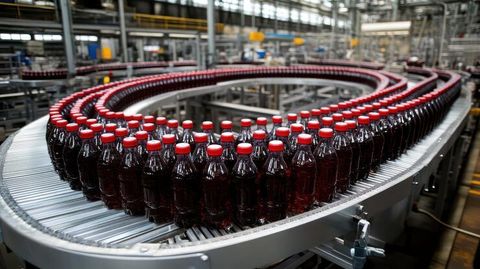
- Conveyors
- Forklifts
- Cranes
- Hoists
- Pallet movers
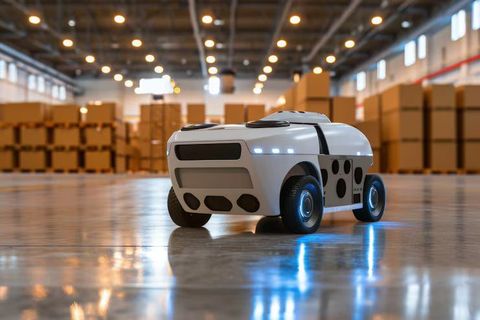
- Automated guided vehicles (AGVs)
These machines reduce manual lifting and improve workflow throughout production facilities.
Packaging Machinery
Packaging machines prepare finished products for storage and transportation.
Examples include:
- Filling machines
- Sealing machines
- Labeling equipment
- Wrapping systems
- Cartoning machines
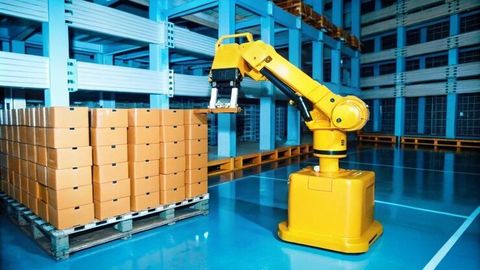
- Palletizing machines
Packaging equipment helps maintain consistency while preparing products for distribution.
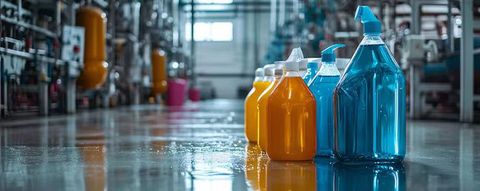
Processing Equipment
Processing machinery transforms raw materials into finished goods.
Industries use equipment such as:
- Mixers
- Crushers
- Grinders
- Dryers
- Filters
- Heat exchangers
Food production, chemical manufacturing, and pharmaceutical facilities commonly depend on processing equipment.
Construction Machinery
Construction projects rely on heavy equipment for earthmoving and material handling.
Examples include:
- Excavators
- Bulldozers
- Loaders
- Backhoes
- Road rollers
- Concrete mixers
These machines support infrastructure development around the world.
Main Components of Industrial Machinery
Although machines vary in size and purpose, many share similar components.
Motors
Electric motors convert electrical energy into mechanical movement, powering many industrial systems.
Gearboxes
Gearboxes adjust speed and torque so machinery can perform different tasks efficiently.
Bearings
Bearings reduce friction between moving parts, allowing smooth rotation while extending equipment life.
Hydraulic Systems
Hydraulic equipment uses pressurized fluid to create powerful movement for lifting, pressing, and positioning heavy materials.
Pneumatic Systems
Compressed air powers pneumatic cylinders and tools used for lighter industrial operations.
Control Systems
Programmable logic controllers (PLCs), sensors, and control panels help monitor machine performance and automate production processes.
Industries That Use Industrial Machinery
Industrial machinery supports many sectors across the global economy.
Some major industries include:
- Manufacturing
- Agriculture
- Construction
- Mining
- Food processing
- Pharmaceuticals
- Energy production
- Warehousing
- Logistics
- Recycling
Each industry uses specialized equipment designed for its unique production needs.
Automation in Modern Industrial Machinery
Automation has changed how factories operate.
Many modern machines now perform tasks with minimal manual input by using sensors, robotics, and computer controls.
Automation can help with:
- Product inspection
- Material movement
- Assembly processes
- Packaging operations
- Quality monitoring
- Production scheduling
Automated systems can also collect operational data that helps identify maintenance needs before equipment experiences unexpected downtime.
Importance of Maintenance
Even durable industrial machinery requires regular maintenance to continue operating safely and efficiently.
Routine maintenance may include:
- Lubricating moving components
- Inspecting belts and chains
- Checking hydraulic fluid levels
- Replacing worn bearings
- Cleaning filters
- Tightening electrical connections
- Monitoring vibration
- Testing safety systems
Following a planned maintenance schedule helps reduce equipment wear and supports reliable operation.
Safety Around Industrial Machinery
Industrial equipment contains moving parts, electrical systems, and heavy components that require careful operation.
Common safety practices include:
- Wearing appropriate protective equipment
- Following operating instructions
- Keeping work areas clean
- Using machine guards
- Locking equipment before maintenance
- Inspecting machinery before operation
- Reporting unusual sounds or vibrations
Training and awareness help reduce workplace accidents and protect equipment from unnecessary damage.
Energy Efficiency in Industrial Equipment
Many organizations are working to reduce energy use while maintaining productivity.
Modern machinery often includes features such as:
- Variable speed drives
- Energy-efficient motors
- Smart sensors
- Automatic shutdown functions
- Digital energy monitoring
These improvements help reduce electricity consumption while supporting long-term equipment performance.
Choosing Industrial Machinery
Selecting machinery depends on several practical considerations.
Important factors include:
- Production requirements
- Material type
- Available workspace
- Power requirements
- Maintenance needs
- Automation level
- Environmental conditions
- Future production expansion
Careful planning helps ensure equipment matches operational needs.
Future Trends in Industrial Machinery
Industrial machinery continues to evolve with advances in digital technology.
Emerging developments include:
- Artificial intelligence for predictive maintenance
- Industrial Internet of Things (IIoT)
- Digital twins
- Collaborative robots
- Remote equipment monitoring
- Advanced machine vision
- Cloud-based production analytics
These technologies improve operational visibility and help manufacturers make informed decisions using real-time data.
Conclusion
Industrial machinery forms the foundation of modern manufacturing, construction, agriculture, logistics, and many other industries. From simple mechanical equipment to highly automated production systems, these machines help transform raw materials into the products people use every day.
Understanding the different types of machinery, their components, maintenance practices, and safety principles makes it easier to appreciate how industrial operations function. As technology continues to develop, industrial machinery will likely become even more connected, intelligent, and efficient while supporting reliable production across a wide range of industries.