Hydrogen Air Generators Overview: Learn the Basics, Benefits, and Trends

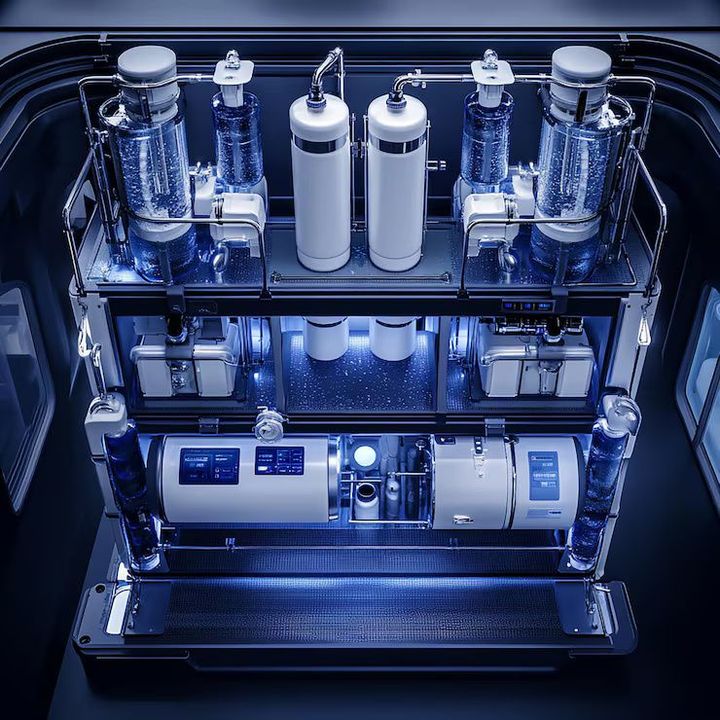
Hydrogen air generators are systems designed to produce hydrogen gas through controlled processes such as electrolysis, steam reforming, or other hydrogen-generation technologies. These systems are increasingly used across manufacturing, laboratories, energy production, metal processing, electronics, food packaging, and research facilities where a reliable supply of hydrogen is required.


The importance of understanding hydrogen air generators has grown significantly in recent years due to global interest in cleaner energy solutions, industrial decarbonization efforts, and advancements in hydrogen-based technologies. Governments, industries, and research institutions are investing in hydrogen infrastructure as part of broader sustainability and energy-transition initiatives.

Recent developments in fuel cell technology, renewable energy integration, and green hydrogen production have increased demand for efficient hydrogen generation equipment. Organizations are exploring ways to reduce transportation costs associated with compressed gas cylinders while improving operational efficiency and safety through on-site generation systems.

As industries continue to pursue energy efficiency and lower emissions, hydrogen air generators are becoming an important component in modern industrial operations. Understanding their capabilities, limitations, and regulatory requirements helps businesses make informed decisions regarding implementation and long-term use.

Who It Affects and What Problems It Solves

Hydrogen air generators affect a broad range of stakeholders, including manufacturers, laboratory operators, energy companies, researchers, chemical producers, and industrial facility managers. Organizations that depend on a consistent hydrogen supply often evaluate generator systems as an alternative to delivered gas cylinders or bulk hydrogen storage.

Research laboratories use hydrogen generators for gas chromatography and analytical testing. Electronics manufacturers utilize hydrogen in semiconductor production processes. Metal-processing industries apply hydrogen in heat treatment and annealing operations. Emerging hydrogen-energy projects also rely on generation systems for fuel cell applications and renewable energy storage initiatives.

Common Problems Hydrogen Air Generators Help Address

ChallengeHow Hydrogen Air Generators Help
Dependence on gas cylinder deliveriesProvides on-site hydrogen production
Supply interruptionsEnables continuous hydrogen availability
Storage concernsReduces large-volume hydrogen storage needs
Transportation costsEliminates frequent cylinder transport
Operational efficiencyAutomates gas generation processes
Space constraintsCompact systems often require less storage area
Sustainability goalsSupports cleaner hydrogen production methods
Process consistencyProvides stable hydrogen purity levels

In many cases, organizations adopt hydrogen generators to improve operational reliability while reducing logistical complexity associated with traditional gas supply methods.

Recent Updates and Industry Trends

The hydrogen sector has experienced notable growth over the past year as governments and private organizations continue investing in hydrogen-related technologies.

Expansion of Green Hydrogen Projects

Many countries have increased funding and policy support for green hydrogen production, which uses renewable electricity to power electrolysis systems. This trend has encouraged innovation in hydrogen generation equipment and supporting infrastructure.

Industrial Decarbonization Initiatives

Heavy industries such as steel manufacturing, chemicals, and transportation are exploring hydrogen as part of carbon-reduction strategies. As a result, demand for scalable hydrogen generation solutions continues to grow.

Improved Electrolyzer Technologies

Advancements in proton exchange membrane (PEM) and alkaline electrolyzer technologies have improved efficiency, reliability, and operational flexibility. Modern hydrogen generators increasingly offer automated monitoring and smart control capabilities.

Increased Safety Monitoring

Manufacturers are incorporating advanced sensors, remote diagnostics, leak detection systems, and automated shutdown features to improve operational safety and regulatory compliance.

Growing Investment Activity

International energy agencies and industry groups continue reporting significant investment commitments toward hydrogen infrastructure, including production facilities, storage systems, and distribution networks.

Digital Integration

Industrial facilities are integrating hydrogen generators with Industry 4.0 platforms, enabling predictive maintenance, performance monitoring, and energy optimization through connected systems.

Hydrogen Air Generator Comparison Table

FeatureLaboratory GeneratorsIndustrial GeneratorsLarge-Scale Hydrogen Systems
Primary UseAnalytical testingManufacturing processesEnergy production
Output CapacityLowMediumHigh
Installation ComplexitySimpleModerateAdvanced
Space RequirementsSmallMediumLarge
Automation FeaturesCommonExtensiveExtensive
Monitoring SystemsBasic to advancedAdvancedEnterprise-level
Maintenance NeedsLowModerateHigher
Typical UsersLaboratoriesFactoriesUtilities and energy operators
Hydrogen PurityVery highHighApplication-dependent
Capital InvestmentLowerModerateSignificant

Typical Technology Types

TechnologyAdvantagesCommon Applications
PEM ElectrolysisFast response, high purityLaboratories, industry
Alkaline ElectrolysisMature technologyIndustrial hydrogen production
Steam ReformingLarge-scale outputChemical manufacturing
Renewable ElectrolysisLower carbon footprintGreen hydrogen projects

Hydrogen Air Generator Market Drivers

The following factors are contributing to increased adoption:

Market DriverImpact
Renewable energy growthSupports green hydrogen production
Net-zero commitmentsEncourages low-carbon technologies
Industrial automationImproves generator integration
Energy security concernsPromotes local hydrogen generation
Technological innovationReduces operational costs
Research investmentAccelerates adoption and development

Organizations increasingly evaluate hydrogen systems not only from a technical perspective but also in relation to sustainability objectives and future regulatory requirements.

Laws, Regulations, and Government Policies

Hydrogen air generators operate within a framework of safety, environmental, and industrial regulations. Requirements vary by country, industry, and installation size.

Safety Regulations

Hydrogen is highly flammable and requires adherence to established safety standards. Organizations typically follow regulations covering:

  • Gas handling and storage
  • Ventilation requirements
  • Leak detection systems
  • Electrical safety standards
  • Pressure vessel compliance
  • Emergency shutdown procedures

International standards organizations frequently guide hydrogen system design and operation.

Environmental Policies

Many governments support hydrogen technologies through:

  • Clean energy programs
  • Industrial decarbonization initiatives
  • Renewable energy incentives
  • Research and development grants
  • Infrastructure funding programs

Green hydrogen projects often receive particular policy attention due to their potential contribution to emissions reduction objectives.

Workplace Compliance Requirements

Businesses operating hydrogen generators typically implement:

  • Employee training programs
  • Risk assessments
  • Equipment inspection schedules
  • Preventive maintenance procedures
  • Safety documentation practices

Practical Guidance

Laboratory Environments

Smaller hydrogen generators may be suitable when:

  • High-purity hydrogen is required
  • Space is limited
  • Consistent analytical performance is essential

Manufacturing Facilities

Industrial systems may be appropriate when:

  • Hydrogen demand is continuous
  • Supply reliability is critical
  • Automation integration is desired

Energy Projects

Large-scale systems are often considered when:

  • Renewable energy integration is planned
  • Long-term hydrogen production is required
  • Decarbonization objectives are significant

Organizations should evaluate applicable local regulations, industry standards, and facility-specific safety requirements before implementation.

Useful Tools and Resources

Several tools and resources can assist organizations in evaluating hydrogen air generators.

Technical Resources

  • Manufacturer specification sheets
  • Hydrogen purity calculators
  • Electrolysis efficiency calculators
  • Safety assessment templates
  • Equipment sizing tools

Industry Organizations

  • International hydrogen associations
  • Energy research institutions
  • Industrial gas organizations
  • Renewable energy councils
  • Engineering standards bodies

Monitoring and Management Software

Tool CategoryPurpose
SCADA SystemsProcess monitoring
Predictive Maintenance PlatformsEquipment reliability
Energy Management SoftwareEfficiency optimization
Leak Detection SystemsSafety monitoring
Asset Management PlatformsLifecycle tracking

Engineering Resources

  • Process design guides
  • Safety compliance checklists
  • Hydrogen infrastructure planning frameworks
  • Risk assessment templates
  • Industrial maintenance schedules

These resources can help organizations evaluate technical requirements, operational costs, safety considerations, and long-term performance expectations.

Frequently Asked Questions

What is a hydrogen air generator?

A hydrogen air generator is a system that produces hydrogen gas on-site using technologies such as electrolysis or other hydrogen-generation methods, reducing dependence on external gas supplies.

Where are hydrogen air generators commonly used?

They are commonly used in laboratories, manufacturing facilities, electronics production, chemical processing, research institutions, and emerging hydrogen-energy applications.

Are hydrogen air generators considered environmentally friendly?

Environmental impact depends on the production method. Systems powered by renewable electricity can support lower-carbon hydrogen production compared with some conventional methods.

What safety measures are required?

Typical safety measures include ventilation systems, leak detection sensors, regular inspections, employee training, pressure controls, and compliance with relevant industry standards.

How do organizations choose the right hydrogen generator?

Selection usually depends on hydrogen demand, purity requirements, available space, operational goals, maintenance capabilities, regulatory requirements, and budget considerations.

Conclusion

Hydrogen air generators are becoming increasingly important across laboratories, manufacturing facilities, research institutions, and energy projects. Growing interest in clean energy, industrial decarbonization, and operational efficiency has accelerated the adoption of hydrogen-generation technologies worldwide.

Recent advances in electrolyzer performance, automation capabilities, and safety monitoring systems have improved the practicality of on-site hydrogen production. At the same time, government policies supporting hydrogen infrastructure and renewable energy development continue to drive market growth.

For organizations evaluating hydrogen solutions, the most appropriate system depends on hydrogen demand, purity requirements, operational objectives, available infrastructure, and regulatory obligations. Facilities with consistent hydrogen consumption often benefit from carefully planned on-site generation systems, while larger industrial and energy applications may require more advanced production capabilities.

As hydrogen technologies continue to evolve, hydrogen air generators are expected to remain a key component of industrial modernization and future clean-energy ecosystems.