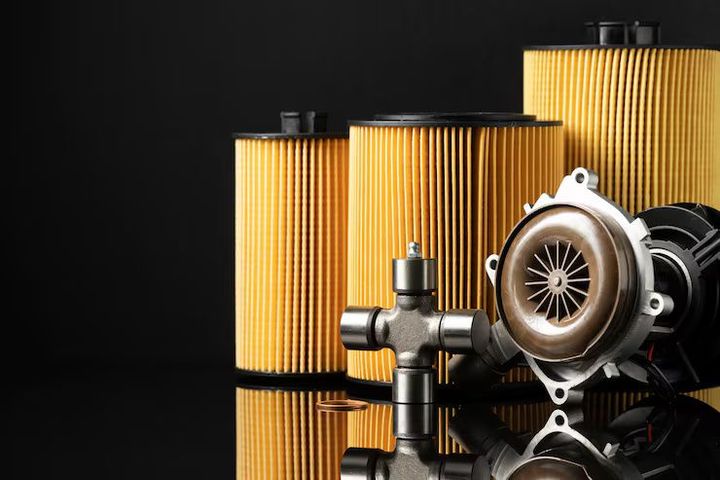
Hydraulic Filters Guide: How They Work and Why They Matter
Hydraulic filters play an important role in keeping hydraulic systems clean and working as intended. From construction equipment and agricultural machinery to manufacturing machines and industrial tools, many systems depend on hydraulic fluid to transfer power. When that fluid becomes contaminated, it can affect efficiency, increase wear, and shorten the lifespan of important components. Although hydraulic systems are built to handle demanding conditions, they still need protection from dirt, dust, metal particles, moisture, and other contaminants.
Hydraulic filters are designed for this purpose. They remove unwanted particles from the fluid before those particles can damage pumps, valves, cylinders, and other parts.
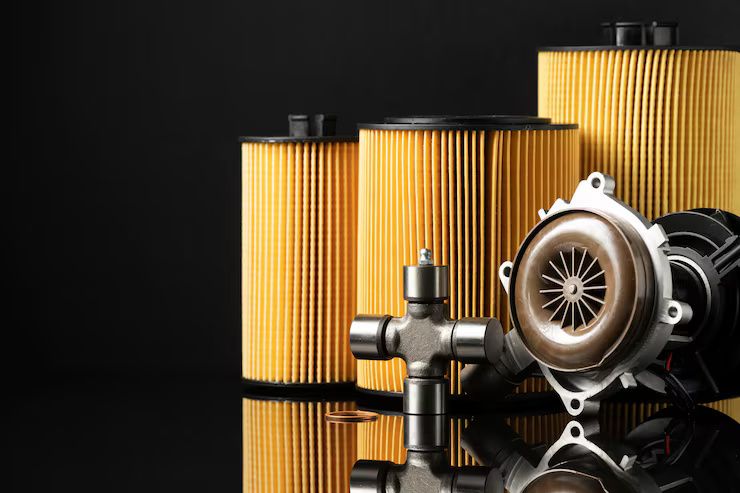
This guide explains what hydraulic filters are, how they work, the different types available, common signs of filter problems, maintenance practices, and why filtration matters for hydraulic equipment.
What Are Hydraulic Filters?
Hydraulic filters are components that remove contaminants from hydraulic fluid as it flows through a hydraulic system. Their main purpose is to keep the fluid clean so that moving parts continue operating smoothly.
Hydraulic fluid circulates throughout the system, carrying power from one component to another. During operation, small particles from normal wear, airborne dust, rust, water, and manufacturing residue can enter the fluid. Without proper filtration, these contaminants can circulate repeatedly, causing gradual damage over time.
A hydraulic filter captures these particles before they reach sensitive components, helping maintain clean fluid throughout the system.
Why Clean Hydraulic Fluid Matters
Hydraulic systems rely on precise movement and tight clearances between internal parts. Even tiny contaminants can affect performance.
Clean hydraulic fluid helps:
- Reduce wear on pumps and valves
- Protect seals and moving components
- Maintain smooth hydraulic pressure
- Improve overall system efficiency
- Reduce unexpected equipment downtime
- Extend the operating life of hydraulic components
When contamination levels increase, hydraulic equipment may respond more slowly, generate extra heat, or experience pressure fluctuations.
How Hydraulic Filters Work
Hydraulic filters work by allowing hydraulic fluid to pass through a filtering element that traps unwanted particles.
The process is straightforward:
- Hydraulic fluid enters the filter housing.
- The fluid flows through the filter media.
- Solid contaminants remain trapped inside the filter.
- Clean fluid exits the filter and continues through the hydraulic circuit.
Some filters include bypass valves that allow fluid to continue flowing if the filter becomes heavily clogged. While this helps maintain system operation temporarily, it also means contaminants may circulate until the filter is replaced.
Main Types of Hydraulic Filters
Different hydraulic systems use filters at various locations depending on their design and operating requirements.
Suction Filters
Suction filters are positioned before the hydraulic pump. Their purpose is to prevent larger particles from entering the pump.
These filters help protect the pump from contamination but generally capture larger particles to avoid restricting fluid flow.
Pressure Filters
Pressure filters are installed after the hydraulic pump.
Since hydraulic fluid is under pressure at this stage, these filters can remove much smaller contaminants before the fluid reaches valves, cylinders, and other precision components.
Pressure filters are commonly used in systems requiring high levels of cleanliness.
Return Line Filters
Return line filters clean hydraulic fluid as it returns to the reservoir.
Any particles generated during operation are captured before the fluid re-enters storage, helping maintain cleaner hydraulic fluid throughout repeated operating cycles.
Offline Filters
Offline filtration systems operate separately from the main hydraulic circuit.
They continuously circulate hydraulic fluid through dedicated filters, gradually removing contamination without interrupting machine operation. These systems are commonly used where fluid cleanliness is especially important.
Common Hydraulic Filter Materials
The filtering element inside a hydraulic filter can be made from different materials, each designed for specific operating conditions.
Cellulose Media
Cellulose filter media is commonly made from specially treated paper fibers.
It captures larger contaminants and is suitable for many standard hydraulic applications.
Synthetic Media
Synthetic materials can capture finer particles while maintaining steady fluid flow.
These filters often support longer operating intervals and higher filtration efficiency.
Wire Mesh
Wire mesh filters are reusable in some applications.
They mainly capture larger particles and are commonly used where coarse filtration is sufficient.
What Can Contaminate Hydraulic Fluid?
Hydraulic contamination comes from many different sources.
Common contaminants include:
- Dust entering through reservoir vents
- Metal particles created by normal component wear
- Dirt introduced during maintenance
- Water from condensation
- Rust particles
- Manufacturing debris
- Seal material particles
Even newly installed hydraulic systems may contain contaminants if components are not thoroughly cleaned before assembly.
Signs That a Hydraulic Filter Needs Attention
Hydraulic filters gradually collect contaminants during operation. Eventually, the filter becomes restricted and requires replacement.
Common signs include:
- Reduced hydraulic performance
- Slow actuator movement
- Increased operating temperature
- Pressure fluctuations
- Unusual pump noise
- Filter restriction indicator activation
- Lower system efficiency
Ignoring these warning signs may allow contamination to affect sensitive hydraulic components.
How Often Should Hydraulic Filters Be Replaced?
There is no single replacement schedule that fits every hydraulic system.
Replacement intervals depend on factors such as:
- Equipment operating hours
- Working environment
- Contamination levels
- Hydraulic fluid condition
- Manufacturer maintenance recommendations
Some machines include filter condition indicators that monitor pressure differences across the filter and indicate when replacement is needed.
Following the equipment maintenance schedule helps maintain proper filtration.
Hydraulic Filter Maintenance Tips
Proper maintenance supports reliable hydraulic system performance.
Helpful practices include:
- Replace filters at recommended intervals.
- Use the correct filter specification.
- Keep hydraulic reservoirs clean.
- Inspect hoses and seals regularly.
- Store replacement filters in clean conditions.
- Keep dirt away when opening the hydraulic system.
- Monitor hydraulic fluid condition.
- Check filter restriction indicators when available.
Small maintenance habits can help reduce contamination entering the hydraulic system.
Common Hydraulic Filter Applications
Hydraulic filters are used in many industries because hydraulic systems power a wide range of equipment.
Examples include:
- Excavators
- Loaders
- Cranes
- Tractors
- Harvesting equipment
- Injection molding machines
- Hydraulic presses
- Mining equipment
- Marine machinery
- Material handling equipment
- Industrial production machinery
Wherever hydraulic power is used, filtration helps maintain fluid cleanliness.
Choosing the Right Hydraulic Filter
Selecting a hydraulic filter involves matching the filter to the hydraulic system's requirements.
Factors commonly considered include:
- Required filtration level
- Operating pressure
- Flow rate
- Filter media type
- Fluid compatibility
- Temperature range
- Physical size
- Installation location
Using a filter designed for the system helps maintain proper fluid flow while removing contaminants effectively.
Common Misunderstandings About Hydraulic Filters
Several misconceptions can lead to maintenance problems.
One common belief is that hydraulic fluid never becomes dirty. In reality, contamination develops naturally through equipment operation and environmental exposure.
Another misunderstanding is that replacing hydraulic fluid alone solves contamination issues. While clean fluid is important, the filter continues removing particles generated during normal operation.
Some also assume all hydraulic filters perform the same task. In practice, different filters are designed for specific locations and filtration levels within a hydraulic system.
Conclusion
Hydraulic filters are an important part of every hydraulic system because they help keep hydraulic fluid clean and reduce the movement of harmful contaminants. Clean fluid supports smoother equipment operation, protects pumps and valves, and helps reduce unnecessary wear on internal components.
Understanding the different types of hydraulic filters, recognizing signs of filter restriction, and following regular maintenance practices can help maintain dependable hydraulic system performance. Whether used in industrial machinery, agricultural equipment, or heavy construction machines, proper filtration remains a key part of keeping hydraulic systems operating efficiently over time.