Hydraulic Cylinders Explained: Types, Components, and Uses
Hydraulic cylinders are important mechanical devices used in many types of equipment. They help convert hydraulic pressure into straight-line movement, allowing heavy objects to be lifted, pushed, pulled, or positioned with controlled force. From construction equipment and agricultural machinery to factory automation and industrial systems, hydraulic cylinders play a significant role in everyday operations. Although they are commonly found in large machines, the basic working principle is simple.
Pressurized hydraulic fluid enters the cylinder, creating force that moves a piston. This movement performs the required mechanical action while maintaining smooth and controlled operation.
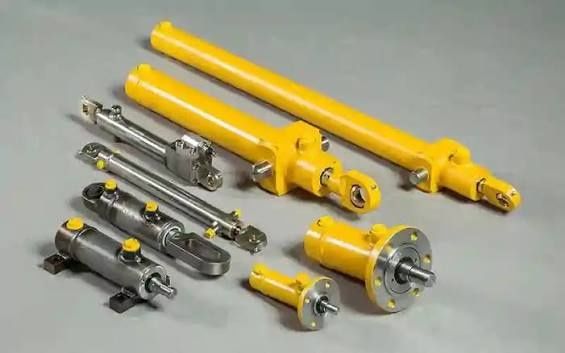
This guide explains hydraulic cylinders, their main components, different types, common applications, advantages, maintenance practices, and factors to consider when selecting the right cylinder.
What Is a Hydraulic Cylinder?
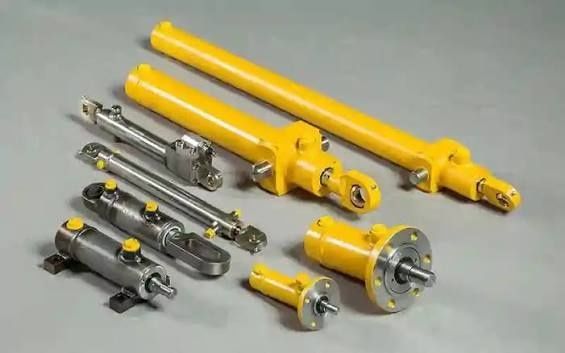
A hydraulic cylinder is a mechanical actuator that creates linear motion through hydraulic pressure. It uses pressurized fluid, usually hydraulic oil, to move a piston inside a sealed cylinder barrel. As the piston moves, it extends or retracts a rod connected to the machine or equipment.
Unlike electric motors that create rotational movement, hydraulic cylinders provide direct linear movement with significant force. This makes them suitable for equipment that handles heavy loads or requires controlled lifting and pushing.
How Hydraulic Cylinders Work
The operation of a hydraulic cylinder follows a straightforward process.
- A hydraulic pump sends pressurized fluid into the cylinder.
- The fluid enters one side of the piston.
- Pressure builds inside the cylinder.
- The piston moves forward or backward.
- The connected piston rod performs the required movement.
- Hydraulic fluid exits through another port when the piston changes direction.
The amount of force generated depends on hydraulic pressure and the piston area. Larger pistons can create greater force when supplied with the same pressure.
Main Components of a Hydraulic Cylinder
Each hydraulic cylinder contains several important parts that work together.
Cylinder Barrel
The barrel is the main body of the cylinder. It provides the enclosed space where hydraulic pressure moves the piston.
Piston
The piston separates the internal chambers and transfers hydraulic pressure into mechanical movement.
Piston Rod
The piston rod extends outside the cylinder and connects to the equipment being moved.
End Caps
End caps close both ends of the cylinder while supporting the internal components.
Seals
Seals prevent hydraulic fluid from leaking and stop contaminants from entering the cylinder.
Hydraulic Ports
These openings allow hydraulic fluid to enter and leave the cylinder during operation.
Types of Hydraulic Cylinders
Hydraulic cylinders come in different designs depending on their intended application.
Single-Acting Hydraulic Cylinders
Single-acting cylinders use hydraulic pressure in one direction only. The return movement usually happens through gravity, a spring, or an external force.
Common applications include:
- Lifting equipment
- Hydraulic jacks
- Material handling systems
Double-Acting Hydraulic Cylinders
Double-acting cylinders use hydraulic pressure for both extending and retracting the piston.
These cylinders are commonly found in:
- Excavators
- Industrial machinery
- Agricultural equipment
- Manufacturing systems
Telescopic Hydraulic Cylinders
Telescopic cylinders contain multiple stages that extend one after another. This design provides a long stroke while requiring limited installation space.
Typical applications include:
- Dump trucks
- Cranes
- Waste collection vehicles
Tie-Rod Hydraulic Cylinders
Tie-rod cylinders use external steel rods to hold the cylinder assembly together. They are frequently used in industrial machinery because maintenance is relatively straightforward.
Welded Hydraulic Cylinders
Welded cylinders have a compact construction where end caps are welded directly to the barrel. This design is commonly used in mobile equipment operating under demanding conditions.
Common Applications of Hydraulic Cylinders
Hydraulic cylinders are used across many industries because they provide reliable linear movement.
Construction Equipment
Excavators, bulldozers, loaders, cranes, and backhoes use hydraulic cylinders to move heavy attachments with precision.
Agriculture
Modern farming equipment uses hydraulic cylinders for lifting implements, adjusting machinery, steering, and controlling attachments.
Manufacturing
Production facilities use hydraulic cylinders in presses, conveyors, automated machinery, packaging equipment, and assembly systems.
Material Handling
Forklifts, lifting platforms, warehouse equipment, and loading systems rely on hydraulic cylinders for controlled movement.
Mining Equipment
Mining machinery uses hydraulic cylinders for drilling equipment, rock handling, lifting systems, and heavy-duty operations.
Marine Applications
Ships and offshore equipment use hydraulic cylinders for steering systems, lifting mechanisms, deck equipment, and cargo handling.
Advantages of Hydraulic Cylinders
Hydraulic cylinders provide several practical advantages.
High Force Output
Hydraulic pressure can generate substantial force even with relatively compact cylinder designs.
Smooth Motion
Hydraulic systems allow controlled movement, making positioning more accurate and reducing sudden impacts.
Reliable Operation
When properly maintained, hydraulic cylinders can operate consistently for long periods under demanding conditions.
Wide Range of Sizes
Manufacturers produce hydraulic cylinders in many sizes and configurations, allowing them to fit different types of equipment.
Suitable for Heavy Loads
Hydraulic cylinders are commonly selected when equipment must lift, push, or move heavy materials repeatedly.
Common Hydraulic Cylinder Problems
Like any mechanical component, hydraulic cylinders may experience wear over time.
Fluid Leakage
Damaged seals are one of the most common reasons for hydraulic oil leakage.
Bent Piston Rod
Heavy impacts or excessive side loads may bend the piston rod, affecting smooth movement.
Internal Wear
Continuous operation may gradually wear the piston, barrel, or seals.
Corrosion
Moisture, chemicals, or harsh environments can cause corrosion on exposed metal surfaces.
Contaminated Hydraulic Fluid
Dust, dirt, water, or metal particles inside hydraulic fluid may reduce performance and increase component wear.
Maintenance Tips
Routine maintenance helps hydraulic cylinders operate efficiently and reduces unexpected downtime.
- Inspect cylinders regularly for leaks.
- Check the piston rod for scratches or bending.
- Keep hydraulic fluid clean.
- Replace worn seals when necessary.
- Monitor operating pressure.
- Clean exposed surfaces to reduce contamination.
- Lubricate moving connection points if recommended by the equipment manufacturer.
- Store spare cylinders in a clean, dry environment.
Preventive maintenance can help extend equipment life while supporting consistent performance.
Factors to Consider When Choosing a Hydraulic Cylinder
Selecting a hydraulic cylinder depends on several operating requirements.
Load Capacity
Determine the amount of force needed for the application.
Stroke Length
The required travel distance determines the cylinder stroke.
Operating Pressure
Ensure the cylinder is compatible with the hydraulic system pressure.
Mounting Style
Different machines require different mounting arrangements, including clevis, flange, trunnion, or pivot mounts.
Environmental Conditions
Outdoor equipment may require additional protection against moisture, dust, or corrosion.
Cylinder Size
The bore diameter and rod diameter influence overall performance and stability.
Hydraulic Cylinders and Workplace Safety
Hydraulic systems operate under high pressure, making safe operation important.
Operators should inspect equipment before use, follow maintenance schedules, and avoid working near suspended loads supported only by hydraulic pressure. Any visible leakage, damaged components, or unusual movement should be inspected before continued operation.
Proper training and regular inspections contribute to safer equipment operation in industrial and construction environments.
Conclusion
Hydraulic cylinders are essential components in many modern machines because they convert hydraulic pressure into controlled linear motion. Their ability to generate substantial force makes them useful in construction, agriculture, manufacturing, mining, marine operations, and material handling.
Understanding how hydraulic cylinders work, the different types available, their components, common applications, and basic maintenance practices helps users make informed decisions when working with hydraulic equipment. With routine inspection and proper care, hydraulic cylinders can continue supporting reliable machine performance across a wide range of operating conditions.