Cup Filling Machines Guide: Explore Types, Components, Applications, Speed, and Selection Factors
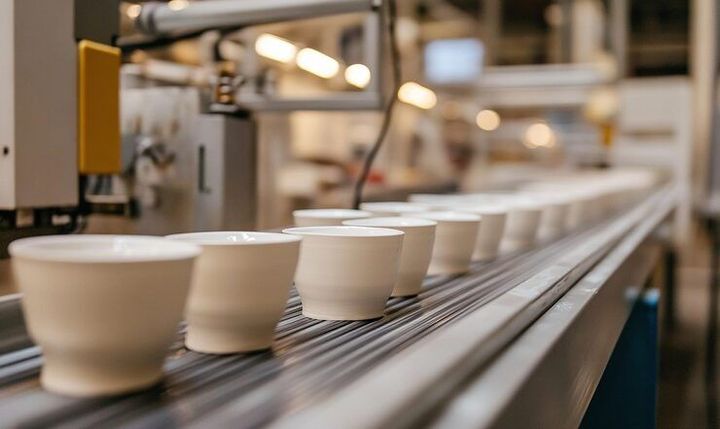
Cup filling machines are automated or semi-automated systems designed to place a measured quantity of a product into individual cups and, in many cases, seal the cups with a lid or film. They are widely associated with food and beverage packaging, although similar equipment can be used for some non-food products. A cup filling machines guide helps explain the different machine types, major components, applications, operating speeds, and factors that influence equipment selection.
The basic idea behind cup filling developed from the need to package products in consistent portions while reducing repetitive manual handling. Early packaging processes relied heavily on manual filling and sealing. As manufacturing volumes increased, mechanical and automated systems were introduced to coordinate cup placement, filling, sealing, coding, and discharge.
Modern cup filling machines can range from compact tabletop units to multi-lane automated packaging systems. Their design depends on the physical properties of the product, cup material, required production volume, filling accuracy, sealing method, and level of automation.
What Is a Cup Filling Machine?
A cup filling machine transfers a predetermined quantity of material into containers such as plastic, paper, or other compatible cups. Depending on the configuration, the machine may also position cups, fill them, place lids or sealing film, apply heat sealing, inspect the package, and discharge completed units.
Different products require different filling mechanisms. Liquids may use pumps or volumetric systems, while thicker products can require piston fillers, augers, or other dosing arrangements.
How Cup Filling Machines Developed
Packaging automation evolved as manufacturers sought more consistent portioning and faster handling. Mechanical indexing systems were followed by pneumatic, electronic, and programmable controls.
Current machines commonly combine sensors, motors, programmable logic controllers, filling mechanisms, and sealing units. These components allow several packaging stages to operate in a coordinated sequence.
Importance
Cup filling machines are important because packaging directly affects product handling, portion consistency, hygiene, storage, transportation, and presentation. They are used in sectors where products need to be divided into individual portions before distribution or further processing.
Food and beverage manufacturers are among the most common users. Depending on the equipment configuration, applications can include yogurt, dairy products, sauces, desserts, beverages, jams, honey, condiments, prepared foods, and other products with suitable physical characteristics.
Common Packaging Challenges
Manual cup filling can require repeated measuring, handling, and sealing. As production volumes increase, maintaining consistent portions and coordinating multiple packaging steps can become more difficult.
Automated systems address these challenges by integrating several stages into one controlled process. However, the actual performance depends on the machine configuration, product characteristics, operating conditions, and maintenance.
Factors That Influence Filling Accuracy
Filling accuracy is affected by the physical properties of the product and the filling mechanism. Important factors include:
- Product viscosity
- Temperature
- Density
- Particle size
- Flow characteristics
- Filling volume
- Pump or dosing-system design
- Cup dimensions
- Machine speed
- Calibration and maintenance
For example, a free-flowing liquid behaves differently from a thick dairy product or a mixture containing particles. A filling system therefore needs to be compatible with the product being processed.
Hygiene and Packaging Control
For food applications, the machine design may include features intended to limit contamination risks. Product-contact surfaces, cleaning procedures, drainage, sealing conditions, and material selection can all affect hygienic operation.
The packaging environment also matters. A machine operating inside a controlled production area may require different arrangements from equipment used in a less controlled environment.
Recent Updates
From 2024 through 2026, cup filling and sealing equipment has continued moving toward greater automation, digital monitoring, flexible production, and improved integration with packaging lines. Many modern systems use programmable controls and electronic sensors to coordinate cup indexing, filling, sealing, coding, and discharge.
Automation and Digital Controls
Programmable logic controllers can coordinate individual machine stages and monitor signals from sensors. Operator interfaces may provide information about machine status, production settings, alarms, and selected operating parameters.
Digital controls can also make format changes more structured when a machine is designed to accommodate multiple cup sizes. The exact adjustment process varies according to machine architecture.
Flexible Packaging Formats
Packaging equipment is increasingly designed around the need to handle different container formats and product categories. Some machines can accommodate multiple cup diameters, filling volumes, sealing materials, or lid configurations within defined operating ranges.
This flexibility is particularly relevant for facilities that process several product formats. However, a machine's actual range depends on its mechanical design and compatible tooling.
Integration With Packaging Lines
Cup filling equipment can be integrated with upstream and downstream systems such as product preparation equipment, conveyors, labeling units, date coders, inspection systems, case packers, and other packaging machinery.
Machine integration can allow information and product movement to be coordinated across multiple stages rather than treating filling as an isolated operation.
Energy and Material Considerations
Packaging equipment development also reflects broader manufacturing efforts to reduce unnecessary material use and improve resource efficiency. Lightweight packaging formats, optimized sealing processes, variable-speed drives, and controlled heating systems can influence energy and material consumption.
These improvements are application-specific and should be evaluated according to product requirements, packaging specifications, and operating conditions.
Laws or Policies
In India, cup filling machines used for food packaging operate within a broader regulatory framework covering food safety, hygiene, packaging materials, workplace safety, and equipment operation.
The Food Safety and Standards Authority of India (FSSAI) establishes requirements relating to food safety and packaging. The Food Safety and Standards (Packaging) Regulations, 2018 cover materials that come into contact with food and specify requirements for different packaging materials. (fssai.gov.in)
Food businesses must also follow applicable hygiene and sanitary requirements under India's food safety framework. These requirements can affect the design, cleaning, handling, and operation of equipment used in food-processing and packaging environments. (fssai.gov.in)
The Legal Metrology framework can also be relevant when packaged commodities are sold with declared quantities. The Legal Metrology (Packaged Commodities) Rules, 2011 contain requirements concerning declarations and packaged goods. (consumeraffairs.gov.in)
Workplace requirements may additionally apply to machinery operators and industrial facilities. India's occupational safety framework addresses workplace health and safety, while specific requirements can depend on the type of establishment and applicable state or central rules.
For food-contact packaging, manufacturers and processors should also consider applicable requirements for the materials used in cups, lids, films, and other components that come into contact with the packaged product.
Tools and Resources
Several resources can help readers understand cup filling machines, packaging processes, and applicable requirements.
Machine Specifications
A machine specification sheet generally provides information about filling volume, cup dimensions, machine speed, electrical requirements, compressed-air requirements, sealing method, and compatible products.
Comparing these specifications helps identify whether a particular machine configuration is technically suitable for an intended application.
Filling Calculations
Basic production calculations can estimate theoretical output. For example:
Production rate = Number of filling lanes × cycles per minute × cups per cycle
Actual output can be lower because of setup changes, cleaning, material handling, interruptions, inspection, and other operating factors.
Packaging Standards and Regulations
FSSAI resources provide information about food safety requirements and food-contact packaging regulations in India. The Bureau of Indian Standards also provides access to Indian Standards and related technical information.
Process Documentation
A basic machine evaluation worksheet can include the following information:
| Factor | Information to review |
|---|---|
| Product | Liquid, semi-solid, paste, powder, or particulate mixture |
| Cup material | Plastic, paper, or other compatible material |
| Cup size | Diameter, height, and volume |
| Filling volume | Required quantity per cup |
| Machine speed | Cycles or cups per minute |
| Filling system | Pump, piston, gravity, auger, or other mechanism |
| Sealing method | Heat seal, foil, film, lid, or other method |
| Automation | Manual, semi-automatic, or automatic |
| Controls | Sensors, PLC, operator interface |
| Cleaning | Cleaning method and product-contact access |
| Utilities | Electrical power, compressed air, or other requirements |
| Product changeover | Time and tooling requirements |
FAQs
What is a cup filling machine?
A cup filling machine is packaging equipment that places a measured quantity of a product into individual cups. Many systems can also seal the cups after filling.
How fast can a cup filling machine operate?
Cup filling machine speed varies considerably. Compact systems may process relatively small quantities per minute, while multi-lane automated systems can process several hundred cups per minute under suitable conditions. Actual output depends on cup size, filling volume, product characteristics, machine design, and operating conditions.
What are the main components of a cup filling machine?
Common components include a cup-feeding mechanism, conveyor or indexing system, filling hopper or product tank, dosing mechanism, filling nozzle, sealing station, sensors, control system, drive components, and discharge conveyor. Additional components may be included for coding, inspection, lid placement, or cleaning.
What products can cup filling machines handle?
Depending on the machine design, cup filling systems can process liquids, semi-liquids, sauces, dairy products, desserts, pastes, powders, and selected products containing particles. The filling mechanism must be compatible with the product's viscosity, density, particle size, and flow characteristics.
What factors should be considered when selecting a cup filling machine?
Important factors include product properties, cup dimensions, filling volume, required production rate, filling mechanism, sealing method, automation level, cleaning requirements, available utilities, changeover requirements, applicable regulations, and compatibility with existing packaging equipment.
Conclusion
Cup filling machines combine container handling, measured filling, and, in many cases, sealing into a coordinated packaging process. Their components and operating speeds vary according to product characteristics, cup dimensions, machine configuration, and automation level. Recent developments have emphasized digital controls, flexible formats, process monitoring, and integration with wider packaging lines. In India, food packaging operations must also consider applicable FSSAI, Legal Metrology, workplace safety, and packaging-material requirements.