Complete Guide to Welding Equipment for Beginners
Welding equipment plays an important role in joining metal parts for construction, manufacturing, vehicle repair, and many everyday projects. From building bridges to repairing household gates, welding makes it possible to create strong and lasting metal connections. While the process may appear complex at first, understanding the basic equipment and how it works makes the subject much easier to understand.
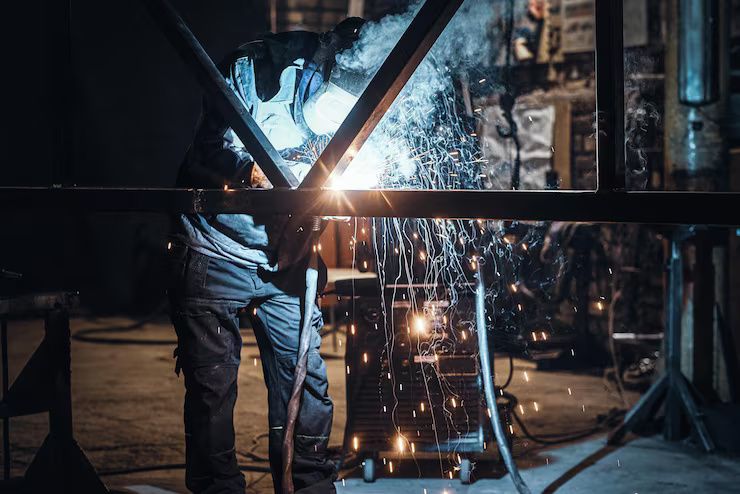
Whether someone is curious about welding or simply wants to learn how different tools work together, knowing the purpose of each piece of equipment helps create a solid foundation. This guide explains the common types of welding equipment, their functions, important safety practices, and simple maintenance tips.
What Is Welding Equipment?
Welding equipment refers to the collection of machines, tools, and protective gear used to join two or more pieces of metal through heat, pressure, or both. Different welding methods require different equipment, but the goal remains the same: creating a durable bond between metal parts.
A complete welding setup usually includes a welding machine, power cables, electrode holder or welding torch, grounding clamp, protective helmet, gloves, and other safety accessories.
Main Types of Welding Equipment
Different welding techniques require different tools. Understanding these methods helps explain why several types of equipment exist.
Arc Welding Equipment
Arc welding is one of the most common welding methods. It creates an electric arc between an electrode and the metal surface. The heat generated melts the metal, allowing the pieces to join together.
Typical equipment includes:
- Welding power source
- Electrode holder
- Ground clamp
- Welding electrodes
- Power cables
Arc welding is commonly used in structural work, maintenance, and general metal fabrication.
MIG Welding Equipment
Metal Inert Gas (MIG) welding uses a continuously fed wire electrode and a shielding gas to protect the weld from contamination.
Common equipment includes:
- MIG welding machine
- Wire feeder
- Welding gun
- Shielding gas cylinder
- Gas regulator
MIG welding is known for producing clean welds and is often used for steel, aluminum, and stainless steel applications.
TIG Welding Equipment
Tungsten Inert Gas (TIG) welding creates precise and clean welds using a non-consumable tungsten electrode.
Essential equipment includes:
- TIG welding machine
- TIG torch
- Tungsten electrode
- Shielding gas cylinder
- Foot pedal or control switch
This method is often chosen for projects requiring accuracy and smooth weld finishes.
Stick Welding Equipment
Stick welding, also called Shielded Metal Arc Welding (SMAW), uses coated electrodes that create a protective layer around the weld during the process.
Required equipment includes:
- Stick welding machine
- Electrode holder
- Stick electrodes
- Ground cable
Its simple setup makes it suitable for outdoor environments and challenging working conditions.
Essential Components of a Welding Setup
A welding system consists of several important components working together.
Welding Machine
The welding machine supplies the electrical power needed to generate heat. Different machines support different welding methods, and some modern units can perform multiple welding processes.
Electrodes or Wire
Electrodes or welding wire provide the material that forms the weld joint. The type used depends on the welding process and the metal being joined.
Welding Torch or Holder
The welding torch or electrode holder allows the operator to control the welding process while maintaining a stable position during the weld.
Ground Clamp
The ground clamp completes the electrical circuit, allowing electricity to flow safely through the metal.
Shielding Gas Equipment
Some welding methods use shielding gas to protect molten metal from oxygen and other contaminants in the surrounding air.
Personal Protective Equipment
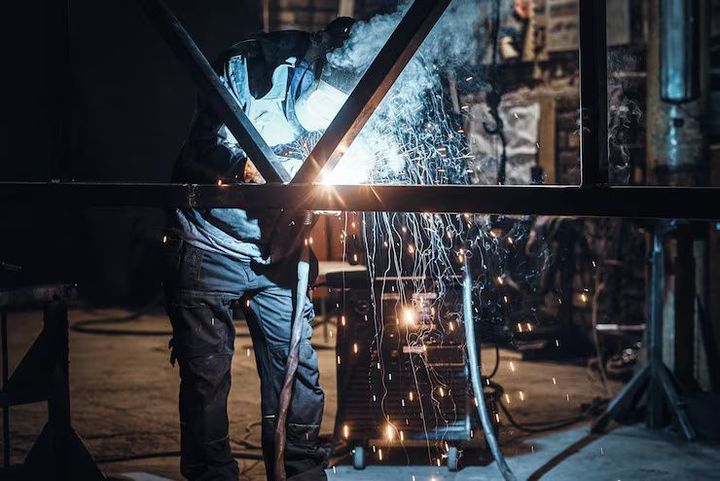
Safety equipment is just as important as the welding machine itself. Welding creates intense heat, bright light, sparks, and fumes that require proper protection.
Common protective equipment includes:
- Welding helmet with auto-darkening lens
- Heat-resistant gloves
- Flame-resistant clothing
- Leather boots
- Safety glasses
- Ear protection
- Respiratory protection when needed
Using proper protective gear helps reduce the risk of burns, eye injuries, and exposure to airborne particles.
Common Materials Used in Welding
Different metals require different welding approaches.
Steel
Steel is one of the most commonly welded materials due to its strength and versatility.
Stainless Steel
Stainless steel requires careful heat control to maintain its corrosion resistance.
Aluminum
Aluminum conducts heat rapidly, making welding more challenging and requiring specialized techniques.
Cast Iron
Cast iron requires careful preparation and controlled heating to reduce cracking during welding.
Factors That Influence Equipment Selection
Choosing suitable welding equipment depends on several factors.
Material Type
Different metals require different welding methods and compatible equipment.
Material Thickness
Thin metal sheets require lower heat settings, while thicker materials need more powerful equipment.
Working Environment
Indoor and outdoor environments affect the choice of welding process, especially when shielding gas is involved.
Power Supply
Some welding machines operate on standard household electricity, while others require higher-voltage industrial power sources.
Basic Welding Safety Practices
Safe welding involves more than wearing protective clothing.
Important safety practices include:
- Keep the workspace clean and organized.
- Remove flammable materials from nearby areas.
- Ensure proper ventilation.
- Inspect cables before each use.
- Avoid wet working conditions.
- Secure gas cylinders properly.
- Follow equipment instructions carefully.
Developing safe habits helps reduce workplace accidents and equipment damage.
Routine Maintenance of Welding Equipment
Regular maintenance helps equipment continue operating efficiently over time.
Clean the Equipment
Dust, metal particles, and debris should be removed regularly to prevent overheating.
Inspect Cables
Check cables for cracks, worn insulation, or loose connections.
Examine Consumable Parts
Replace worn contact tips, nozzles, electrodes, and liners as needed to maintain welding quality.
Check Cooling Systems
Machines equipped with cooling systems should have proper airflow and clean ventilation openings.
Store Equipment Properly
Store welding equipment in a dry location to help protect electrical components from moisture and corrosion.
Common Welding Challenges
Even experienced operators encounter occasional difficulties.
Some common issues include:
- Porosity caused by contamination
- Weak weld joints
- Excessive spatter
- Cracking
- Poor penetration
- Distortion from excessive heat
Understanding these challenges makes troubleshooting much easier and helps improve welding results over time.
New Developments in Welding Equipment
Modern welding equipment continues to evolve with improved technology.
Some newer developments include:
- Digital control panels
- Inverter-based power sources
- Energy-efficient operation
- Automated welding systems
- Robotic welding cells
- Smart monitoring features
- Improved safety functions
These advancements improve consistency, accuracy, and ease of operation across many industries.
Conclusion
Welding equipment combines powerful machines, specialized tools, and essential protective gear to create strong metal connections across many industries. Understanding the purpose of each component helps make the welding process easier to follow, whether the goal is learning about manufacturing, construction, vehicle repair, or metal fabrication.
Along with selecting suitable equipment, following proper safety practices and performing regular maintenance contribute to reliable performance and longer equipment life. As technology continues to develop, modern welding equipment is becoming more efficient, easier to operate, and better suited for a wide variety of applications.