Compactors Guide: Explore Types, Components, Applications, Capacity, and Operating Factors
Compactors are machines used to increase the density of soil, gravel, asphalt, and other materials by applying mechanical force. A compactors guide helps explain the different machine types, major components, applications, capacity, and operating factors that influence compaction results.
Compaction is an important part of construction and infrastructure work. When loose material is placed on the ground, it usually contains air gaps between individual particles. Mechanical pressure, vibration, or repeated movement reduces these gaps and brings the particles closer together.
The basic idea of compaction has existed for centuries through manual tamping and animal-drawn equipment. Modern compactors use engines, hydraulic systems, drums, plates, rollers, and vibration mechanisms to apply controlled forces over larger areas.
What Is a Compactor?
A compactor is construction equipment designed to densify materials by applying pressure, vibration, impact, or a combination of these forces. Different machines are designed for different materials, working areas, and project conditions.
Common examples include vibratory plate compactors, jumping-jack compactors, smooth-drum rollers, padfoot rollers, pneumatic rollers, and combination rollers. The machine selected depends on the material and the required level of compaction.
How Compaction Works
Compaction changes the arrangement of particles within a material. As mechanical force is applied, particles move closer together and air spaces are reduced.
Vibration is particularly useful for granular materials because repeated movement can help particles settle into a denser arrangement. Static pressure is also used, while impact compaction is commonly associated with equipment designed for confined areas.
Importance
Compaction plays an important role in roads, foundations, parking areas, embankments, trenches, airports, and other construction projects. Properly compacted material can provide a more stable base for structures and paved surfaces.
Poor compaction can contribute to settlement, surface deformation, uneven pavement, and changes in ground behavior. For this reason, compaction is normally treated as an important stage in earthwork and road construction.
Where Compactors Are Used
Compactors are used across many construction activities, including:
- Road and highway construction
- Foundation preparation
- Soil stabilization and earthwork
- Parking area construction
- Asphalt pavement work
- Utility trench backfilling
- Embankment construction
- Landscaping and site preparation
- Airport and infrastructure projects
The appropriate machine varies according to the working environment. A small plate compactor may be practical in a narrow trench, while a large roller is more appropriate for broad road surfaces.
Materials Commonly Compacted
Different materials respond differently to compaction. Granular materials such as sand and gravel generally respond well to vibration, while cohesive soils such as clay may require different equipment and operating methods.
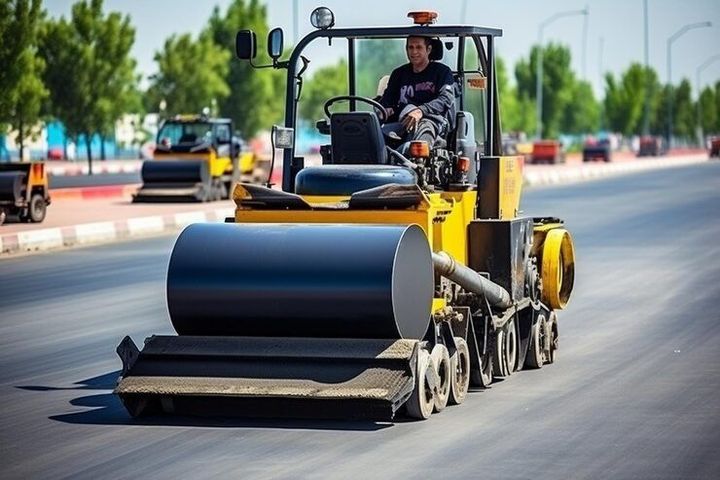
Asphalt is commonly compacted using rollers that apply pressure and, in many applications, vibration. The temperature and condition of asphalt can also influence the compaction process.
Recent Updates
From 2024 through 2026, developments in compaction equipment have continued to focus on automation, operator assistance, machine monitoring, fuel efficiency, and data-based construction practices.
Modern rollers can incorporate electronic monitoring systems that provide information about machine movement and compaction conditions. Some systems use positioning technology and sensors to create maps of roller passes and identify areas requiring additional attention.
Intelligent Compaction
Intelligent compaction systems combine measurement sensors, onboard computers, positioning technology, and machine controls. Depending on the system, measurements can include vibration response, roller position, temperature, and estimated material stiffness.
These technologies can help document compaction activity and provide information that operators and project teams can use when evaluating the work.
Automation and Operator Assistance
Manufacturers are also developing machines with automated functions and operator-assistance technologies. These may include automated vibration control, machine guidance, pass mapping, and electronic monitoring.
Automation does not eliminate the need for appropriate machine selection or site supervision. Ground conditions, material properties, moisture, temperature, and project specifications remain important factors.
Lower-Emission Equipment
Equipment development has also included battery-electric and alternative power technologies for selected compact equipment categories. Smaller machines can be particularly suitable for electrification because their operating requirements may be easier to accommodate with battery systems.
The availability and technical characteristics of these machines vary by equipment category and region.
Laws or Policies
In India, construction equipment operation is affected by workplace safety requirements, environmental rules, road and transport regulations, and project-specific specifications. Requirements can differ depending on the worksite, machine type, location, and organization operating the equipment.
The Occupational Safety, Health and Working Conditions Code, 2020 provides a broader framework for occupational safety and working conditions. Requirements concerning machinery, workplace safety, worker protection, and employer responsibilities may apply depending on the circumstances.
The Central Pollution Control Board and State Pollution Control Boards also administer environmental requirements that can affect construction activities, particularly where dust, emissions, noise, or other environmental impacts are involved.
For road and infrastructure projects, technical specifications issued by organizations such as the Ministry of Road Transport and Highways may establish requirements for earthwork, pavement construction, materials, and compaction procedures.
Workplace Safety
Operators should follow the manufacturer's operating instructions and applicable site safety procedures. Important considerations can include maintaining safe distances from workers, checking the work area, using appropriate protective equipment, and inspecting the machine before operation.
Large rollers also require careful attention to visibility, reversing movements, slopes, edges, underground utilities, and nearby structures.
Tools and Resources
Several resources can help readers understand compactors and their operating requirements.
Equipment Manuals
Manufacturer manuals provide information about machine controls, rated operating conditions, drum systems, vibration settings, inspection procedures, and maintenance requirements. The manual for the specific machine should be used when technical operating information is required.
Compaction Testing Equipment
Field compaction can be evaluated using different testing methods. Depending on the project, equipment may include nuclear density gauges, sand-cone testing equipment, moisture meters, and other field-testing systems.
Laboratory testing can also establish relationships between moisture content and dry density for particular soils.
Compaction Calculators
Construction teams may use calculators and spreadsheets to estimate quantities, roller coverage, pass counts, material volumes, and other project parameters. These tools provide estimates rather than replacing site measurements or project specifications.
Common Compactor Specifications
The following table shows examples of specifications that are commonly considered when comparing compaction equipment:
| Specification | What It Indicates |
|---|---|
| Operating weight | Approximate machine mass during operation |
| Drum width | Width of the surface contacted by a roller drum |
| Compaction force | Mechanical force applied to the material |
| Vibration frequency | Number of vibration cycles over a period |
| Amplitude | Approximate movement of a vibrating drum |
| Travel speed | Machine movement speed during operation |
| Working width | Approximate area covered during each pass |
| Engine or motor power | Power available for machine operation |
| Water tank capacity | Water available for asphalt drum wetting on applicable rollers |
| Gradeability | Ability to operate on specified slopes |
Specifications differ substantially between machine categories, so values should be interpreted within the context of the specific equipment design.
FAQs
What are the main types of compactors?
Common types include vibratory plate compactors, jumping-jack compactors, smooth-drum rollers, padfoot rollers, pneumatic rollers, and combination rollers. Each type is designed around particular materials and working conditions.
What is compactor capacity?
Compactor capacity can refer to several different measurements, including operating weight, drum dimensions, working width, water-tank capacity, or the amount of material that can be compacted within a given period. The meaning depends on the equipment specification being discussed.
What are the main components of a compactor?
Typical components include an engine or electric motor, hydraulic or mechanical drive system, drum or compaction plate, vibration mechanism where applicable, frame, controls, operator station, and safety systems. Larger rollers may include additional systems for water spraying, monitoring, and machine guidance.
What factors affect compaction performance?
Important operating factors include material type, moisture content, layer thickness, machine weight, vibration frequency, vibration amplitude, travel speed, number of passes, and ground conditions. Project specifications usually establish the required compaction method and testing criteria.
How does a vibratory compactor work?
A vibratory compactor uses a vibrating mechanism to generate repeated mechanical movement through its plate or drum. This vibration helps rearrange particles and reduce air spaces, particularly in suitable granular materials.
Conclusion
Compactors are construction machines used to densify soil, aggregate, asphalt, and other materials through pressure, vibration, impact, or combinations of these forces. Different compactor types are suited to different materials, site conditions, and working areas. Capacity and operating factors can include machine weight, working width, vibration characteristics, travel speed, moisture, material type, and the number of passes. Recent equipment developments have increasingly incorporated monitoring, automation, operator assistance, and alternative power technologies.