Understanding Farm Machines: Essential Equipment for Every Farm
Farming has changed significantly over the years. Tasks that once depended entirely on manual labor are now completed with the help of machines designed for different stages of crop production. From preparing the soil to harvesting crops, farm machines help farmers complete important work more efficiently while reducing physical effort.
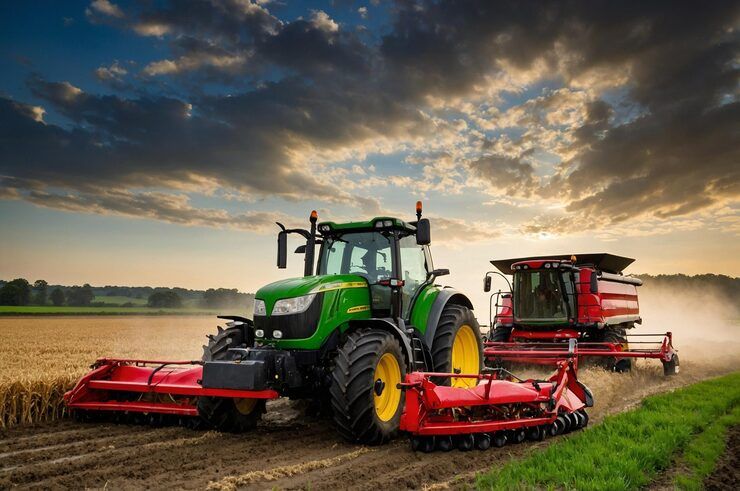
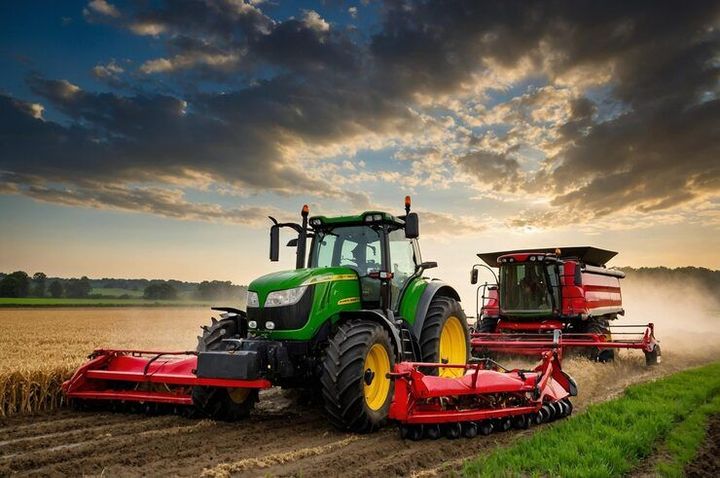
Today, farms of many sizes use different types of machinery depending on their crops, land area, and farming methods. Some equipment is designed for small fields, while others are built for large agricultural operations. Understanding these machines can help anyone learn how modern farming works and why machinery has become an important part of agriculture.
What Are Farm Machines?
Farm machines are mechanical tools and equipment used to perform agricultural activities. They support a wide range of tasks, including soil preparation, planting, watering, crop care, harvesting, and transportation.
Instead of relying only on hand tools, farmers use machinery that can complete work more consistently and within shorter time periods. Different machines are designed for specific purposes, making it easier to match equipment with the needs of a particular farm.
Why Farm Machines Matter
Agriculture often involves large areas of land and many repetitive tasks. Farm machines help farmers manage these activities more effectively.
Some important advantages include:
- Faster completion of field work
- Reduced physical strain during farming activities
- More consistent planting and harvesting
- Better management of larger farming areas
- Improved timing during seasonal operations
- Support for different crop production methods
While machinery does not replace every manual task, it plays an important role in making agricultural work more manageable.
Main Types of Farm Machines
Modern agriculture uses many different machines, each designed for a specific purpose.
Tractors
The tractor is one of the most recognizable farm machines. It provides the power needed to pull or operate many other pieces of equipment.
A tractor can be used for:
- Pulling plows
- Operating seed drills
- Moving trailers
- Running harvesting attachments
- Preparing fields
Tractors come in different sizes, allowing farmers to choose equipment suitable for their land and farming activities.
Plows
Before planting begins, the soil often needs preparation. Plows loosen and turn the soil, helping improve aeration and prepare seedbeds.
Different plow designs are available depending on soil conditions and farming practices.
Harrows
After plowing, harrows break up soil clumps and create a smoother surface for planting.
This process helps prepare the land for more even seed placement and better crop establishment.
Seed Drills
Seed drills place seeds into the soil at controlled depths and spacing.
Compared with scattering seeds by hand, seed drills help create more uniform planting patterns, which may support healthier crop development.
Planters
Planters are commonly used for larger seeds such as corn, sunflower, and soybean crops.
These machines carefully position seeds in rows while maintaining consistent spacing between plants.
Cultivators
Once crops begin growing, weeds can compete for water, nutrients, and sunlight.
Cultivators help remove weeds between crop rows while disturbing the soil as little as possible.
Irrigation Equipment
Water management is an important part of farming.
Several types of irrigation machines help distribute water across fields.
Common examples include:
- Center pivot irrigation systems
- Drip irrigation equipment
- Sprinkler systems
- Portable irrigation pumps
The choice of irrigation equipment depends on crop type, climate, water availability, and field layout.
Fertilizer Spreaders
Nutrients play an important role in crop growth.
Fertilizer spreaders distribute fertilizers across fields in a more even pattern than manual application.
Some spreaders are attached to tractors, while others are self-propelled or designed for smaller farms.
Sprayers
Sprayers apply water-based agricultural solutions across crops when needed.
Modern sprayers can cover large fields while helping distribute liquids more evenly.
Some machines include adjustable spray patterns to match different crops and field conditions.
Harvesting Machines
Harvesting is one of the busiest times during the farming season.
Several machines have been developed to help collect mature crops efficiently.
Combine Harvesters
A combine harvester performs several harvesting tasks in one machine.
It can:
- Cut crops
- Separate grain
- Remove unwanted plant material
- Collect harvested grain
This machine is commonly used for wheat, rice, barley, oats, and similar crops.
Forage Harvesters
Forage harvesters process crops used for animal feed.
These machines chop plants into smaller pieces that are easier to store and use later.
Potato Harvesters
Potato harvesters carefully lift potatoes from the soil while reducing unnecessary damage during collection.
Different models are available for various farm sizes and soil conditions.
Sugarcane Harvesters
Sugarcane harvesting machines cut and gather mature sugarcane while separating unwanted leaves and other plant material.
Hay and Grass Equipment
Livestock farming often requires machinery designed for grass and hay production.
Common examples include:
- Mowers
- Balers
- Rakes
- Tedders
These machines help prepare, dry, gather, and package hay for storage.
Transportation Equipment
Moving harvested crops, fertilizers, tools, and other materials is another important farming activity.
Common transportation equipment includes:
- Farm trailers
- Utility carts
- Grain wagons
- Loading equipment
These machines simplify movement around farms and between storage areas.
Precision Agriculture Machines
Technology has become an important part of modern farming.
Many newer machines include advanced features that support more accurate field operations.
Examples include:
- GPS guidance
- Automatic steering
- Digital field mapping
- Soil monitoring systems
- Variable-rate application equipment
These technologies help improve consistency while supporting better field management decisions.
Choosing Suitable Farm Machines
Every farm has different requirements.
Several factors influence equipment selection, including:
Farm Size
Small farms may need compact machines, while larger farms often require equipment with greater working capacity.
Crop Type
Different crops require different machinery.
For example, rice farming, fruit production, vegetable farming, and grain farming each involve unique equipment.
Field Conditions
Slope, soil type, drainage, and field shape all influence which machines work effectively.
Maintenance Needs
Regular inspection and maintenance help machinery operate safely and reduce unexpected breakdowns.
Keeping moving parts clean, checking fluid levels, and replacing worn components contribute to reliable performance.
Safety Around Farm Machines
Agricultural equipment can be powerful and requires careful operation.
Basic safety practices include:
- Reading equipment instructions
- Wearing suitable protective clothing
- Keeping people away from moving machinery
- Turning off machines before adjustments
- Inspecting equipment before use
- Following operating recommendations
Good safety habits help reduce unnecessary risks during field work.
Environmental Considerations
Modern agriculture increasingly focuses on using machinery in ways that support responsible resource management.
Some examples include:
- More efficient fuel use
- Reduced soil disturbance
- Improved water distribution
- More accurate nutrient application
- Reduced overlap during field operations
These approaches can help improve productivity while supporting long-term soil health.
The Future of Farm Machines
Agricultural machinery continues to evolve alongside advances in engineering and digital technology.
Future developments may include greater automation, improved sensors, advanced robotics, and smarter data collection. Some machines are already capable of following planned routes with limited operator input, while others use cameras and sensors to monitor crops during field operations.
As technology develops further, farm machines are likely to become even more precise, helping farmers manage crops with greater accuracy and improved efficiency.
Conclusion
Farm machines have become an important part of modern agriculture, supporting nearly every stage of crop production. From tractors and seed drills to irrigation systems and combine harvesters, each machine has a specific role that helps make farming more organized and efficient.
Understanding the purpose of different farm machines provides valuable insight into how food production has changed over time. As agricultural technology continues to develop, these machines will remain an important part of farming, helping producers manage fields, care for crops, and harvest food more effectively.