Understanding Cancer Radiation Therapy: Facts, Knowledge, and Resources
Cancer radiation therapy is a medical treatment that uses high-energy radiation to destroy cancer cells or prevent them from growing and spreading. It is one of the most widely used cancer treatments worldwide and is often combined with surgery, chemotherapy, immunotherapy, or targeted therapies to improve outcomes.
Radiation therapy works by damaging the DNA of cancer cells, making it difficult for them to reproduce. Because cancer cells generally divide more rapidly than healthy cells, they are often more vulnerable to radiation exposure. Modern radiation techniques are designed to deliver precise doses while minimizing damage to surrounding healthy tissues.
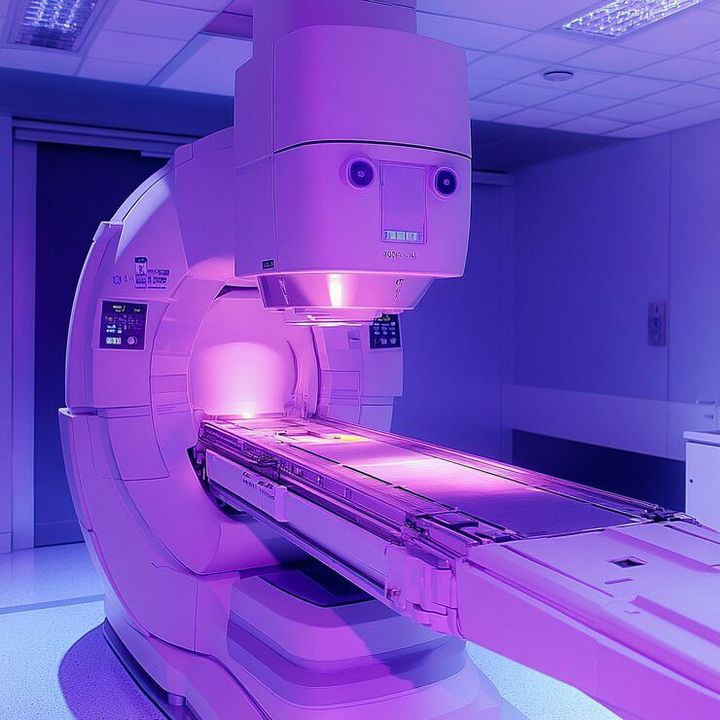
This topic has become increasingly important in recent years due to the rising global burden of cancer and advancements in precision medicine. Improvements in imaging technologies, artificial intelligence (AI), treatment planning software, and particle-based therapies have enhanced treatment accuracy and patient safety. Healthcare systems around the world are investing in advanced radiation oncology infrastructure to improve access and outcomes.
As cancer remains one of the leading causes of death globally, understanding radiation therapy helps patients, caregivers, healthcare professionals, and policymakers make informed decisions regarding treatment options and healthcare planning.