Skin Safety Guide: How to Protect and Care for Your Skin
Skin is the body’s largest organ and serves as the first line of defense against the outside environment. It helps regulate temperature, protects against harmful substances, and supports overall health. Because skin is constantly exposed to sunlight, pollution, weather changes, and daily activities, maintaining skin safety is an important part of personal well-being.
Many people focus on appearance when thinking about skin care, but skin safety goes far beyond looks. Healthy skin can help prevent discomfort, irritation, infections, and long-term damage. Understanding how to protect the skin and recognize potential concerns early can contribute to better health outcomes over time.
In recent years, awareness of skin health has grown as people spend more time outdoors, use digital devices extensively, and encounter changing environmental conditions. Increased knowledge about sun exposure, air quality, and personal care habits has encouraged a broader conversation about skin protection and prevention.
This guide explains the key aspects of skin safety, including daily care practices, common risks, preventive measures, and signs that may require medical attention.

Understanding Skin Safety
Skin safety refers to practices that help maintain the health and integrity of the skin while reducing the risk of damage, irritation, or disease. These practices involve protecting the skin from environmental factors, maintaining cleanliness, and paying attention to changes in skin condition.
Skin can be affected by many external and internal factors. Sunlight, weather, chemicals, allergens, and lifestyle habits all play a role in skin health. At the same time, age, genetics, nutrition, and overall wellness can influence how the skin functions and repairs itself.
Maintaining skin safety is not about following complicated routines. Instead, it involves consistent habits that support the skin’s natural protective barrier.
Common Risks to Skin Health
Sun Exposure
One of the most common threats to skin health is excessive exposure to ultraviolet (UV) radiation from the sun. UV rays can contribute to sunburn, premature aging, and an increased risk of skin cancer.
People often underestimate sun exposure during cloudy days or cooler seasons. However, UV radiation can still affect the skin even when temperatures are mild.
Environmental Pollution
Air pollution contains particles and chemicals that may settle on the skin throughout the day. Over time, these substances can contribute to irritation, dryness, and other skin concerns.
Urban environments often expose individuals to higher levels of pollutants, making regular cleansing an important part of skin care.
Harsh Chemicals
Certain cleaning products, detergents, and personal care items may contain ingredients that irritate sensitive skin. Frequent exposure without proper protection can weaken the skin barrier and lead to redness or discomfort.
Extreme Weather
Hot, cold, dry, or windy conditions can affect the skin's moisture balance. Dry environments may lead to cracking and irritation, while excessive heat can increase sweating and sensitivity.
Physical Injury
Cuts, scrapes, burns, and friction injuries can damage the skin and increase the risk of infection if not treated properly.
Daily Habits That Support Skin Safety
Developing simple daily habits can help maintain healthy skin and reduce exposure to common risks.
Gentle Cleansing
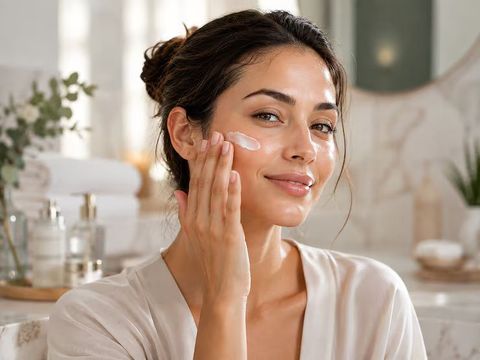
Regular cleansing removes dirt, sweat, and environmental pollutants that accumulate on the skin throughout the day. Using a gentle cleanser appropriate for your skin type can help maintain cleanliness without causing excessive dryness.
Moisturizing
Moisturizers help maintain hydration and support the skin’s protective barrier. Even people with oily skin may benefit from appropriate hydration, especially after washing.
Sun Protection
Protecting the skin from UV exposure is an important part of daily care. Wearing protective clothing, seeking shade during peak sunlight hours, and using sunscreen can help reduce sun-related damage.
Staying Hydrated
Water supports many bodily functions, including skin health. Adequate hydration can help maintain skin elasticity and overall comfort.
Healthy Nutrition
A balanced diet that includes fruits, vegetables, whole grains, and healthy fats provides nutrients that support skin function. Nutritional habits can influence how the skin repairs and maintains itself.
Skin Safety Across Different Age Groups
Children
Children's skin is often more sensitive than adult skin and may be more vulnerable to sun exposure and irritation. Protective clothing and careful monitoring of outdoor activities can help reduce risks.
Teenagers
Hormonal changes during adolescence can affect skin health. Consistent cleansing habits and awareness of skin changes can support healthy skin during this stage.
Adults
Work environments, stress, lifestyle habits, and environmental exposure can all influence adult skin health. Establishing a consistent routine may help address these challenges.
Older Adults
As people age, the skin naturally becomes thinner and may lose moisture more easily. Gentle care practices and regular observation of skin changes become increasingly important.
Recognizing Warning Signs
Being aware of changes in the skin can help identify potential concerns early. While many skin changes are harmless, some may require medical evaluation.
Signs to watch for include:
- New or changing moles
- Persistent redness
- Unexplained rashes
- Sores that do not heal
- Sudden changes in skin color
- Unusual itching
- Persistent dryness or cracking
- Swelling or tenderness
Any concerning change that persists or worsens should be discussed with a qualified healthcare professional.
Preventing Skin Infections
The skin acts as a protective barrier against bacteria, viruses, and other microorganisms. When the skin becomes damaged, the risk of infection may increase.
Simple preventive measures include:
- Keeping wounds clean
- Covering cuts and scrapes when necessary
- Washing hands regularly
- Avoiding sharing personal items
- Following proper hygiene practices
Prompt attention to injuries can help support healing and reduce complications.
Workplace and Outdoor Skin Protection
Certain activities and environments expose individuals to additional skin risks. People who spend significant time outdoors may encounter prolonged sun exposure, while others may come into contact with chemicals or irritants.
Protective measures may include:
- Wearing gloves when handling cleaning agents
- Using protective clothing outdoors
- Following safety instructions for chemical products
- Taking breaks in shaded areas when possible
- Cleaning exposed skin after contact with potential irritants
Awareness and preparation can significantly reduce the likelihood of skin-related problems.
The Role of Awareness in Skin Safety
Knowledge is an important component of skin safety. Understanding personal risk factors, recognizing early warning signs, and practicing preventive care can contribute to healthier skin over time.
Awareness also helps people make informed decisions regarding daily habits and environmental exposure. Small actions performed consistently often have a greater impact than occasional intensive efforts.
By treating skin care as an ongoing aspect of overall health rather than a cosmetic concern, individuals can support long-term well-being and reduce preventable risks.
Conclusion
Skin safety involves more than maintaining appearance—it is an important part of protecting overall health. Daily exposure to sunlight, pollution, weather conditions, and physical irritants can affect the skin in many ways. Fortunately, consistent habits such as gentle cleansing, moisturizing, sun protection, proper hydration, and awareness of skin changes can help maintain healthy skin.
Understanding common risks and recognizing warning signs early can support prevention and timely care. Whether caring for children, adults, or older individuals, a thoughtful approach to skin protection contributes to long-term wellness. By making skin safety a regular part of daily life, individuals can help preserve the skin’s natural protective function and support overall health for years to come.