Next-Gen Chips Explained: A Complete Guide to Modern Semiconductor Technology
Modern life depends on tiny electronic components that quietly power everyday devices. Smartphones, laptops, electric vehicles, medical equipment, smart home products, and data centers all rely on advanced semiconductor chips. As technology continues to evolve, a new generation of processors is changing how devices perform, communicate, and process information.
Next-gen chips represent the latest stage in semiconductor development. They are designed to deliver faster computing, improved energy efficiency, stronger security, and greater support for artificial intelligence (AI). Although these chips are becoming more complex, their purpose remains simple: helping electronic devices complete tasks more efficiently while using less power.
This guide explains what next-gen chips are, how they work, where they are used, and why they are becoming increasingly important across many industries.
What Are Next-Gen Chips?
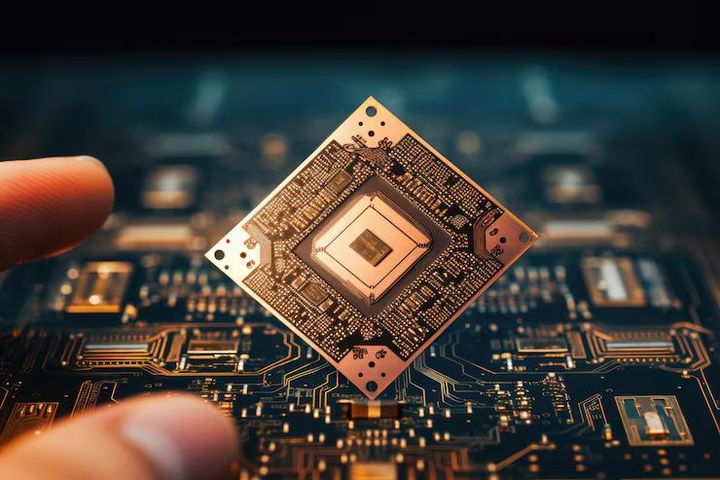
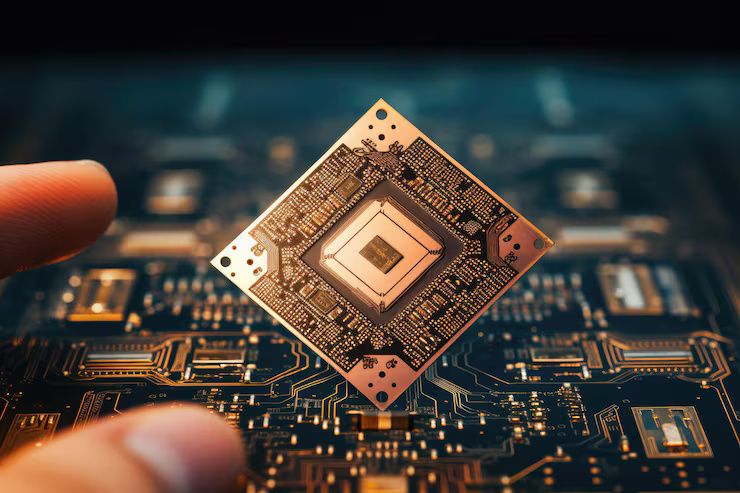
Next-gen chips are advanced semiconductor processors created using newer manufacturing methods and modern chip designs. Compared with earlier generations, they can process larger amounts of data while consuming less energy.
A semiconductor chip contains millions or even billions of tiny electronic switches called transistors. These transistors control the flow of electrical signals, allowing devices to perform calculations, store information, and run software.
As manufacturing technology improves, engineers can place more transistors into a smaller space. This makes modern chips faster, more efficient, and capable of handling increasingly demanding applications.
Why Semiconductor Technology Continues to Advance
Digital technology is expanding rapidly. People expect instant communication, smooth video streaming, advanced gaming, intelligent virtual assistants, and connected devices that work around the clock.
To support these expectations, semiconductor manufacturers continue to improve chip architecture. Several factors drive this progress, including:
- Growing use of artificial intelligence
- Expansion of cloud computing
- More connected smart devices
- Increasing demand for electric vehicles
- Advanced medical technology
- High-performance scientific computing
Each new generation of chips helps meet these changing computing requirements.
Important Features of Next-Gen Chips
Modern semiconductor technology introduces several improvements over previous generations.
Higher Processing Speed
Next-gen chips can complete calculations more quickly. Faster processing improves application responsiveness, shortens loading times, and supports more demanding software.
Improved Energy Efficiency
Energy efficiency has become an important design goal. New chip designs complete more work while using less electricity, helping extend battery life in portable devices and reducing energy consumption in larger computing systems.
Artificial Intelligence Support
Many modern processors include dedicated AI hardware. These specialized sections handle machine learning tasks more efficiently than traditional processors.
AI acceleration supports features such as:
- Voice recognition
- Language translation
- Image processing
- Facial recognition
- Smart photography
- Predictive software functions
Better Security
Security features continue to improve with each generation. Many chips include hardware-based protection that helps safeguard sensitive information, secure digital identities, and reduce certain cybersecurity risks.
Advanced Connectivity
Modern chips support newer wireless technologies that enable faster communication between devices. This improves internet connectivity, wireless communication, and data sharing.
Common Types of Next-Gen Chips
Different computing tasks require different types of processors.
Central Processing Units (CPUs)
The CPU serves as the primary processor inside many computers and electronic devices. It manages operating systems, software applications, and general computing tasks.
Recent CPU designs focus on balancing speed, energy efficiency, and multitasking performance.
Graphics Processing Units (GPUs)
GPUs were originally developed for graphics rendering but now play an important role in AI, scientific research, engineering simulations, and data analysis.
Their ability to perform many calculations simultaneously makes them suitable for complex computing workloads.
AI Accelerators
AI accelerators are specialized chips designed specifically for machine learning and neural network processing. They help intelligent software perform recognition, prediction, and decision-making tasks more efficiently.
Edge AI Chips
Edge AI chips process information directly on local devices instead of sending all data to distant servers. This can improve response times and reduce network traffic.
Examples include smart cameras, wearable devices, industrial sensors, and autonomous systems.
Where Next-Gen Chips Are Used
Advanced semiconductor technology supports a wide variety of industries.
Consumer Electronics
Smartphones, tablets, laptops, gaming systems, and wearable devices rely on modern chips to provide smooth performance and longer battery life.
Artificial Intelligence
AI applications require enormous computing power. Next-gen chips help train machine learning models and process AI tasks efficiently.
Examples include:
- Virtual assistants
- Language processing
- Recommendation systems
- Image recognition
- Video analysis
Healthcare
Medical technology increasingly depends on semiconductor innovation.
Advanced processors assist with:
- Medical imaging
- Patient monitoring
- Diagnostic equipment
- Laboratory analysis
- Digital healthcare systems
Automotive Technology
Modern vehicles contain dozens of electronic control systems.
Next-gen chips help manage:
- Battery systems
- Driver assistance technology
- Navigation
- Vehicle sensors
- Entertainment systems
As electric vehicles continue developing, semiconductor technology becomes even more important.
Industrial Automation
Factories increasingly use intelligent machines, robotics, and connected monitoring equipment.
Advanced chips improve manufacturing precision, equipment monitoring, predictive maintenance, and production efficiency.
Cloud Computing
Large data centers process enormous volumes of information every second.
Modern processors help improve:
- Virtual computing
- Data storage
- AI processing
- Network management
- Large-scale applications
Energy-efficient chips also help reduce electricity consumption within computing facilities.
Challenges Facing Chip Development
Although semiconductor technology continues to progress, several challenges remain.
Manufacturing Complexity
Producing advanced chips requires highly sophisticated manufacturing equipment and extremely precise production methods.
Supply Chain Stability
The semiconductor industry depends on materials, manufacturing facilities, testing equipment, and transportation networks spread across multiple regions. Any disruption can affect chip availability.
Rising Design Complexity
Modern processors contain billions of transistors and increasingly sophisticated architectures. Designing, testing, and validating these chips requires extensive engineering effort.
Heat Management
Higher performance often generates additional heat. Engineers continue developing improved cooling methods to maintain reliable operation.
Emerging Trends
Several developments are shaping the future of semiconductor technology.
Chiplet Design
Instead of creating one very large processor, manufacturers increasingly combine multiple smaller chips into one package. This modular approach improves flexibility and manufacturing efficiency.
Three-Dimensional Packaging
Stacking chip components vertically shortens communication distances between processing units, improving speed while reducing energy consumption.
New Semiconductor Materials
Researchers continue exploring materials beyond traditional silicon. These materials may support faster switching speeds and improved power efficiency for future electronics.
Quantum Computing Research
Quantum computing remains an active research field. While traditional processors continue handling everyday computing, quantum processors may eventually solve certain specialized scientific problems more efficiently.
Why Next-Gen Chips Matter
Semiconductor technology often remains invisible to everyday users, yet it influences nearly every digital experience.
Faster processors make applications more responsive. Efficient chips extend battery life. AI hardware enables intelligent software features. Secure chip designs help protect personal information. Advanced processors also support scientific research, healthcare innovation, transportation systems, and communication networks.
As technology becomes more connected, semiconductor development will continue shaping the digital world in meaningful ways.
Final Thoughts
Next-gen chips represent an important step in the ongoing evolution of computing technology. Through improved processing power, energy efficiency, AI capabilities, enhanced security, and modern chip architectures, these processors help support a wide range of devices and industries.
Although semiconductor engineering continues to become more sophisticated, its goal remains straightforward: enabling faster, smarter, and more efficient computing for everyday life. As research continues, future chip generations are expected to support even broader applications, helping drive innovation across consumer electronics, healthcare, transportation, industrial automation, and scientific research.