Industrial Gasket Guide: Types, Uses, and How They Work
Industrial gaskets are small parts, but they play a very important role in machines, pipelines, engines, and factory equipment. In simple terms, a gasket is a sealing material placed between two surfaces to stop leaks and help equipment work safely. Without a gasket, liquids, gases, steam, oil, or chemicals can escape through tiny gaps where two metal parts meet. Even a very small leak can create problems such as pressure loss, reduced efficiency, contamination, or equipment damage.
Many people outside the industrial field may not notice how common gaskets are. They are used in water systems, pumps, compressors, boilers, engines, heat exchangers, storage tanks, and many other systems found in factories and workshops. They help keep operations stable by creating a tight seal between connected parts.
As machinery has become more advanced, the need for proper sealing has become even more important. Industrial systems often run under heat, pressure, vibration, or exposure to fluids and chemicals. In these conditions, the right gasket helps protect both the machine and the people around it. Understanding what an industrial gasket is, how it works, and where it is used can make technical equipment easier to understand for anyone involved with machinery, maintenance, or industrial planning.

What Is an Industrial Gasket?
An industrial gasket is a mechanical seal placed between two joining surfaces, usually called flanges or mating surfaces. Its main purpose is to fill the tiny spaces between those surfaces so that fluid or gas cannot escape when the equipment is under pressure.
Even when two metal surfaces look smooth, they usually have very small irregularities. A gasket compresses between them and fills those gaps. This creates a seal strong enough to reduce leakage and maintain system pressure.
Gaskets are made from different materials depending on where they will be used. Some are soft and flexible, while others are designed to handle very high heat or pressure. The right gasket depends on factors such as temperature, pressure, type of fluid, and the design of the equipment.
Why Industrial Gaskets Matter
At first glance, a gasket may seem like a simple ring or sheet of material, but its role is much bigger than it looks. In industrial systems, sealing is essential. If a seal fails, the result may be fluid leakage, gas escape, pressure drop, overheating, or damage to nearby components.
A properly selected gasket helps in several ways:
- It reduces leakage between joined parts
- It supports pressure retention in a system
- It helps keep dust, moisture, oil, steam, or chemicals contained
- It can reduce the risk of contamination in sensitive environments
- It helps machinery run more smoothly and safely
- It supports maintenance by protecting connected parts from unnecessary wear
In many industries, reliability depends on many small parts working together. The gasket is one of those parts that often goes unnoticed until a leak appears.
How an Industrial Gasket Works
A gasket works by being compressed between two surfaces. When bolts or fasteners tighten the joint, the gasket is squeezed into place. This pressure allows the gasket material to fill the tiny spaces, scratches, or uneven spots on the metal surfaces.
For example, imagine placing a soft layer between two rigid plates and tightening them together. That soft layer spreads slightly and fills the empty spaces, making it harder for air or liquid to pass through. This is the basic idea behind gasket sealing.
However, industrial applications are not always simple. Some systems involve high temperatures, strong vibration, corrosive chemicals, or pressure changes. In those environments, the gasket must remain stable and keep its shape while still sealing properly.
Common Types of Industrial Gaskets
Industrial gaskets come in many forms. The type used depends on the machine, pressure level, operating temperature, and the material moving through the system.
1. Non-Metallic Gaskets
These are made from soft materials such as rubber, compressed fiber, PTFE, graphite, or cork-based compounds. They are often used in lower-pressure applications or systems that need flexibility.
Common uses include:
- Water pipelines
- Low-pressure pumps
- Light chemical systems
- HVAC equipment
These gaskets are often easier to compress and can adapt well to uneven surfaces.
2. Metallic Gaskets
Metallic gaskets are made from materials such as stainless steel, copper, or other alloys. They are designed for more demanding conditions, especially where heat and pressure are high.
They are often found in:
- Boilers
- Heat exchangers
- Steam systems
- Refinery equipment
- High-temperature process lines
Because metal is less flexible than rubber or fiber materials, these gaskets are often used in carefully engineered joints.
3. Semi-Metallic Gaskets
These combine metal with softer sealing materials. A common example is the spiral wound gasket, which uses metal winding along with a filler material such as graphite or PTFE.
These gaskets are popular because they balance strength with flexibility. They are often used in:
- Oil and gas systems
- Chemical plants
- Power generation equipment
- High-pressure piping
4. Sheet Gaskets
Sheet gaskets are cut from flat gasket material and shaped to fit a flange or machine opening. They can be made from many different materials depending on the application.
They are commonly used in:
- Pipe joints
- Tank covers
- Pump housings
- General machinery connections
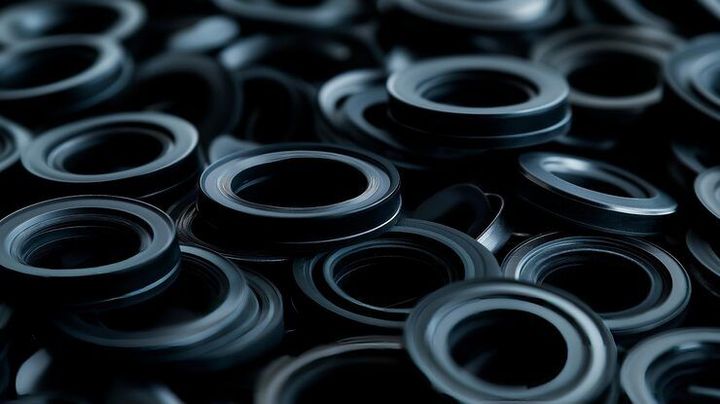
5. Ring Gaskets
Ring-shaped gaskets are used where circular sealing is needed, such as in pipe flanges or engine components. Some are soft and simple, while others are designed for extreme pressure conditions.
Materials Used in Industrial Gaskets
The material of a gasket affects how it performs. Different materials are selected based on heat, pressure, fluid type, and mechanical stress.
Rubber
Rubber gaskets are flexible and commonly used in water, air, and light industrial systems. Different rubber compounds are chosen depending on oil resistance, weather exposure, or temperature range.
Graphite
Graphite handles high temperatures well and is often used in steam and thermal systems. It is known for good sealing performance in demanding environments.
PTFE
PTFE is valued for its chemical resistance. It is often used in chemical processing because it can handle a wide range of corrosive substances.
Compressed Fiber
Compressed fiber materials are common in general industrial applications. They are often used where moderate heat and pressure are present.
Stainless Steel and Alloys
Metallic gaskets may use stainless steel or other alloys for strength and heat resistance. These materials are common in high-pressure industrial settings.
Where Industrial Gaskets Are Used
Industrial gaskets are found in many sectors because sealing is needed almost everywhere machinery moves fluids or gases.
Manufacturing Plants
Factories use gaskets in pumps, valves, pipelines, tanks, compressors, and process equipment.
Oil and Gas Operations
Pipelines, pressure vessels, and refining equipment rely on gaskets to manage fluids under difficult operating conditions.
Power Generation
Boilers, turbines, heat exchangers, and steam systems use gaskets to maintain pressure and temperature control.
Water and Wastewater Systems
Treatment plants and pumping systems use gaskets in pipe joints, valves, and flanged equipment.
Food and Pharmaceutical Facilities
These environments require clean and controlled processing systems. Gaskets help prevent leakage and reduce contamination risks in processing equipment.
Automotive and Heavy Equipment
Engines, fuel systems, cooling systems, and hydraulic assemblies all use gaskets to seal important components.
Signs a Gasket May Need Attention
Like many machine parts, gaskets can wear out over time. Heat, pressure, vibration, chemical exposure, and repeated tightening can all affect performance.
Some common signs of gasket problems include:
- Visible fluid or gas leakage
- Drop in system pressure
- Unusual moisture around joints
- Burn marks or surface damage near the seal
- Equipment overheating
- Reduced system efficiency
- Noise caused by escaping air or steam
When these signs appear, the joint and sealing area usually needs inspection. In many cases, the issue is not only the gasket itself but also flange alignment, bolt pressure, surface condition, or operating stress.
Why Gasket Selection Matters
Choosing the right gasket is important because not every material works in every environment. A gasket used in a cold-water line may fail quickly if placed in a high-temperature steam system. In the same way, a gasket that works well with air may not be suitable for chemicals or oils.
Selection usually depends on:
- Operating temperature
- Pressure level
- Type of fluid or gas
- Flange design
- Surface finish
- Vibration level
- Exposure to chemicals
- Maintenance schedule
A mismatch between the gasket and the operating conditions can lead to leakage, shortened equipment life, and repeated shutdowns.
Industrial Gaskets and Preventive Maintenance
Industrial maintenance is not only about fixing visible damage. It also includes checking smaller parts that support reliability. Gaskets fall into this category. A gasket may look simple, but it affects pressure retention, fluid containment, and machine stability.
Routine maintenance often includes:
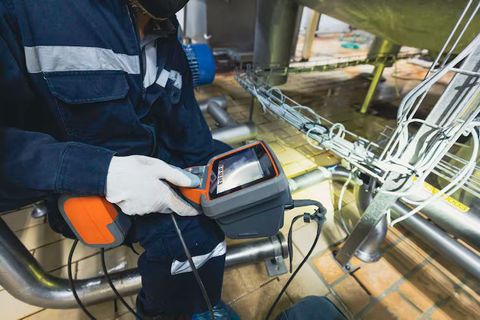
- Inspecting joints for signs of leakage
- Checking bolt tightness and flange condition
- Looking for corrosion or wear around sealing surfaces
- Replacing damaged or aged gasket materials during equipment shutdowns
- Confirming that the gasket material matches the process conditions
Preventive maintenance can help reduce unexpected interruptions and extend the working life of machinery.
Final Thoughts
Industrial gaskets are one of those machine components that do not get much attention until something goes wrong. Yet they are essential to the safe and steady operation of many industrial systems. Their main role is simple: create a seal between two surfaces and help prevent leaks. But the impact of that role is significant.
From pipelines and pumps to boilers and engines, gaskets help equipment handle pressure, temperature, fluids, and movement more effectively. They come in different materials and designs because industrial environments vary so much. Understanding the basics of industrial gaskets—what they are, how they work, where they are used, and why proper selection matters—can make industrial machinery easier to understand, even for non-technical readers.
In practical terms, a gasket is a small part with a big responsibility. When chosen carefully and maintained properly, it helps support cleaner operation, safer equipment, and more reliable industrial performance.