A Simple Guide to Hydrogen Generators and Their Uses
Hydrogen generators are machines designed to produce hydrogen gas when and where it is needed. Instead of relying on stored cylinders of hydrogen, these systems create the gas on-site, often from water, natural gas, methanol, or other feed materials, depending on the type of generator. Because hydrogen is used in many industries—from laboratories and manufacturing to energy research and electronics—hydrogen generators have become an important part of modern industrial and technical operations.
For people outside the energy or engineering field, hydrogen generators may sound complex. In reality, the basic idea is straightforward: the machine takes a source material, processes it through a chemical or electrochemical method, and releases hydrogen gas for use in a controlled setting. The main purpose is to provide a steady hydrogen supply while reducing the need to transport and store large amounts of compressed gas.
As interest in cleaner energy systems grows, hydrogen is getting more attention worldwide. It is being discussed in relation to fuel cells, industrial heating, transportation, and low-emission manufacturing. That does not mean every hydrogen generator is part of a green energy system, but it does mean these machines now sit at the intersection of industry, research, and the broader energy transition.
What Is a Hydrogen Generator?
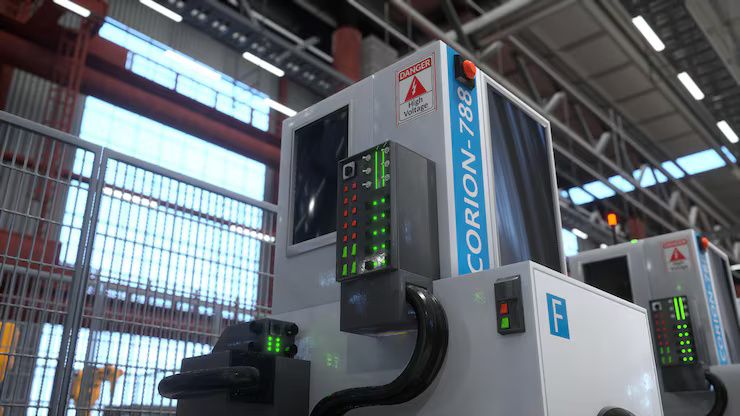
A hydrogen generator is equipment that produces hydrogen gas from a feed source. The type of feed source depends on the design of the machine. Some generators use water and electricity, while others use fuels such as natural gas or methanol. The output is hydrogen gas that can be used for laboratory instruments, metal processing, cooling systems, energy applications, or chemical production.
The reason these systems matter is simple: hydrogen can be difficult to store and transport safely in large quantities. By generating it on-site, users can reduce dependence on gas cylinders and maintain a more controlled supply. This is especially useful in places where hydrogen is needed regularly but not in extremely large volumes.
Hydrogen generators are commonly found in:
- Laboratories using gas chromatography or analytical instruments
- Electronics and semiconductor production
- Metal treatment and heat treatment processes
- Glass manufacturing
- Power and energy research facilities
- Industrial plants that need hydrogen for process support
How Hydrogen Generators Work
Although hydrogen generator designs vary, the process usually follows the same broad pattern: a raw material goes in, the machine separates or converts part of it, and hydrogen gas comes out.
1. Input Material
The generator needs a source material. This may be:
- Water, in systems that use electrolysis
- Natural gas, in systems that use reforming
- Methanol, in compact reformer-based systems
- Chemical compounds, in specialized industrial applications
2. Conversion Process
The machine uses a specific method to extract hydrogen from that material. The method depends on the generator type, but common approaches include:
- Passing electricity through water to split hydrogen and oxygen
- Heating fuel-based materials to release hydrogen
- Using catalysts to support chemical reactions
3. Purification
Once hydrogen is produced, it may contain moisture or trace gases. Many generators include purification stages to improve hydrogen quality. This matters in applications such as laboratory testing or electronics manufacturing, where gas purity can affect results or equipment performance.
4. Delivery and Control
The hydrogen is then delivered to the connected system at a controlled pressure and flow rate. Sensors and safety controls help manage production, monitor system status, and respond if there is an abnormal condition.
Main Types of Hydrogen Generators
Hydrogen generators are not all built the same. The right type depends on how the hydrogen will be used, how pure it needs to be, and what infrastructure is available.
Water Electrolysis Hydrogen Generators
These generators use electricity to split water into hydrogen and oxygen. This process is called electrolysis. Water electrolysis is often associated with cleaner hydrogen production, especially when the electricity comes from low-emission power sources.
There are different electrolysis technologies, but for a general audience, the key point is that water and electricity go into the system, and hydrogen comes out. These units are often used in laboratories, research environments, and some industrial settings.
Typical advantages
- Produces hydrogen on-site
- Can provide high-purity gas
- Avoids routine handling of multiple gas cylinders
- Fits well with clean energy discussions when powered by low-emission electricity
Common considerations
- Needs a stable electricity supply
- Water quality can affect system performance
- Output capacity varies by machine design
Natural Gas Reforming Hydrogen Generators
These systems produce hydrogen by reacting natural gas with steam or heat in a controlled process. The hydrogen is separated from other gases and then purified. This method is common in industrial settings because natural gas infrastructure is already established in many places.
Natural gas reforming can produce hydrogen efficiently at larger scales, but it also raises environmental questions because the process is linked to carbon emissions unless carbon management steps are used.
Typical advantages
- Suitable for greater industrial demand
- Uses familiar fuel infrastructure in many regions
- Can produce hydrogen continuously
Common considerations
- Linked to fossil fuel use
- Requires process control and gas handling systems. The emissions profile depends on the wider setu.p
Methanol-Based Hydrogen Generators
Methanol reforming systems use methanol as a hydrogen source. These generators can be compact and are sometimes used where a smaller or portable hydrogen system is needed. Methanol contains hydrogen in chemical form, and the generator extracts it through a controlled reaction.
This type can be useful in certain research, backup, or mobile applications, though the overall environmental impact depends on how the methanol is produced and used.
Why Hydrogen Generators Are Used
Hydrogen generators are used because they help match the hydrogen supply with actual demand. Instead of keeping large stored volumes on site, many facilities prefer a system that produces hydrogen as needed.
Here are some of the main reasons organizations use them:
Improved supply control
On-site generation allows users to control when hydrogen is produced and how much is available for the process.
Reduced dependence on cylinder delivery
For some operations, frequent cylinder replacement can interrupt the workflow. A generator may provide a more continuous source.
Stable gas quality
Where purity matters, integrated purification systems can help maintain consistent hydrogen quality.
Space and workflow benefits
In some facilities, replacing multiple cylinders with one generator can simplify layout and day-to-day handling.
Support for specialized applications
Laboratories, electronics facilities, and industrial process lines often need precise gas conditions that are easier to manage with dedicated equipment.
Common Applications of Hydrogen Generators
Hydrogen generators are used in many fields, often in ways the public rarely sees directly.
Laboratories and analytical testing
Laboratories use hydrogen as a carrier gas in gas chromatography and other analytical equipment. In these settings, reliable gas purity is especially important.
Metal processing
Hydrogen can be used in heat treatment, annealing, brazing, and other metal-related processes. It may help create controlled atmospheres that protect materials during heating.
Electronics manufacturing
Hydrogen plays a role in some semiconductor and electronics production steps where precise processing conditions are required.
Power generation and cooling
In some large power systems, hydrogen is used for generator cooling because of its thermal properties.
Energy research
Research centers studying fuel cells, clean energy systems, or hydrogen infrastructure may use hydrogen generators for testing and development.
Safety Considerations
Hydrogen is useful, but it must be handled carefully. It is highly flammable and requires proper storage, ventilation, leak detection, and system monitoring. A hydrogen generator is not simply a plug-in appliance; it is industrial or laboratory equipment that should be installed and operated according to the manufacturer’s instructions and local safety standards.
Important safety points include:
- Proper ventilation in the installation area
- Regular inspection of fittings, tubing, and seals
- Monitoring of pressure and flow conditions
- Use of leak detection systems where appropriate
- Training for people who operate or maintain the equipment
Hydrogen itself is colorless and odorless, which makes good monitoring especially important. Safety planning should always be part of any hydrogen setup, whether the system is small or large.
Hydrogen Generators and the Energy Transition
Hydrogen generators are increasingly discussed in relation to lower-emission energy systems. This is mainly because hydrogen can act as an energy carrier in fuel cells and industrial decarbonization projects. However, not all hydrogen is produced the same way. The environmental impact depends heavily on the feed source and the energy used during production.
For example, hydrogen generated through water electrolysis using renewable electricity is often viewed differently from hydrogen made from fossil fuels without emissions controls. This distinction matters when people talk about “clean hydrogen” or “low-carbon hydrogen.”
Even so, hydrogen generators are not only about future energy systems. They already have a practical role in laboratories, manufacturing, and industrial operations today. Their value lies in making hydrogen more accessible where it is needed, while supporting better control over supply and use.
Final Thoughts
Hydrogen generators are machines that produce hydrogen gas on-site for laboratory, industrial, and energy-related applications. While the technology behind them can vary, the basic purpose is clear: to create a dependable hydrogen supply close to where it will be used. Some systems rely on water electrolysis, while others use natural gas, methanol, or other feed materials.
For non-technical readers, the easiest way to understand a hydrogen generator is to think of it as a dedicated hydrogen source that replaces or reduces dependence on delivered gas cylinders. It can support more consistent workflows, controlled gas quality, and easier integration with specialized equipment.
As hydrogen continues to gain attention in both industry and energy planning, hydrogen generators are likely to remain an important technology. Their role may evolve as cleaner production methods expand, but their core function—producing hydrogen where it is needed—will continue to matter across many sectors.