Industrial Blowers Explained: Types, Uses, and Working Principles
Industrial blowers are an important part of many manufacturing and processing environments. Although they often work in the background, these machines help move air or gas through equipment, production areas, and ventilation systems. From controlling dust to supporting combustion and cooling machinery, industrial blowers contribute to smooth daily operations in many industries.
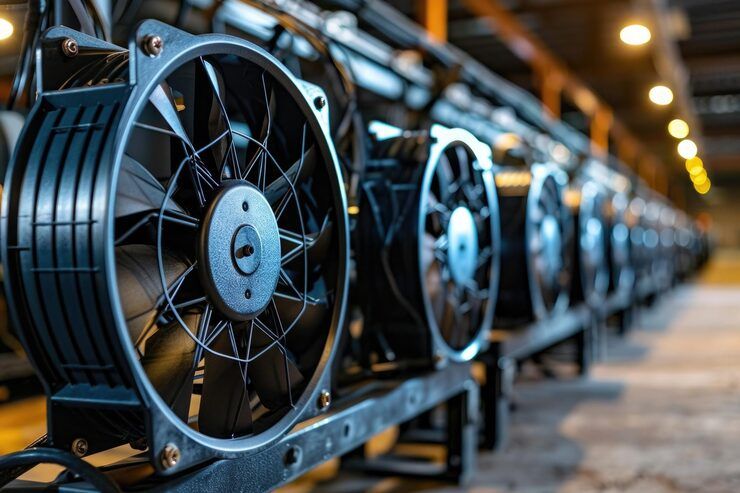
If you've ever wondered what an industrial blower does, how it works, or where it is used, this guide explains everything in simple language. Whether you're learning about industrial equipment or researching air movement systems, understanding industrial blowers can help you make sense of how many industrial processes function.
What Is an Industrial Blower?
An industrial blower is a mechanical device designed to move large volumes of air or gas from one location to another. Unlike a standard household fan, a blower creates higher air pressure, allowing air to travel through ducts, filters, or processing equipment.
Industrial blowers are commonly found in factories, warehouses, manufacturing plants, power facilities, food processing units, wastewater treatment plants, and many other industrial settings. They help maintain airflow where natural ventilation is not enough.
The primary purpose of an industrial blower is to create controlled airflow for different applications, depending on the needs of the process.
How Does an Industrial Blower Work?
The working principle of an industrial blower is fairly simple.
An electric motor powers an impeller, which is a rotating wheel with specially designed blades. As the impeller spins, it draws air into the blower housing. The rotating blades increase the speed and pressure of the air before directing it toward the outlet.
The design of the impeller and housing determines how much airflow and pressure the blower can generate.
Most industrial blowers include these main components:
- Electric motor
- Impeller
- Housing or casing
- Air inlet
- Air outlet
- Bearings
- Shaft
- Drive system
These components work together to deliver steady airflow throughout industrial operations.
Main Types of Industrial Blowers
Different applications require different blower designs. The most common types include the following.
Centrifugal Blowers
Centrifugal blowers use a rotating impeller to pull air into the center and push it outward at a right angle.
These blowers are widely used because they can generate relatively high pressure while maintaining steady airflow.
Common applications include:
- Dust collection
- Air filtration
- HVAC systems
- Material handling
- Drying equipment
- Pollution control
Axial Blowers
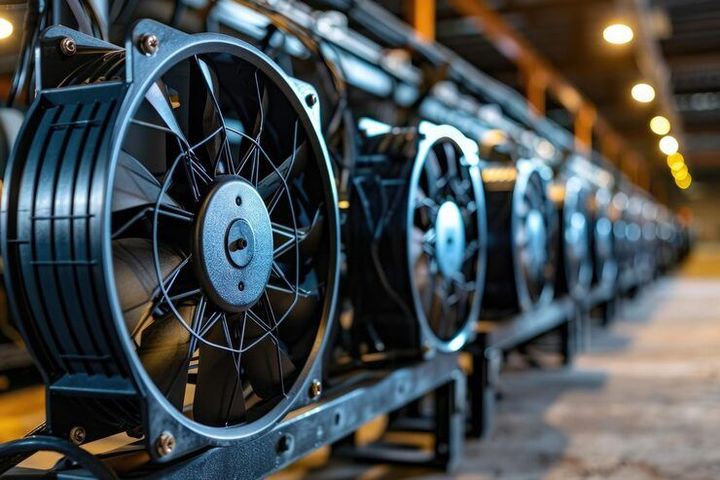
Axial blowers move air parallel to the rotating shaft. They are designed for moving large amounts of air where lower pressure is acceptable.
Typical applications include:
- Warehouse ventilation
- Equipment cooling
- Tunnel ventilation
- Exhaust systems
Positive Displacement Blowers
Positive displacement blowers trap a fixed volume of air and move it through the system with each rotation.
These blowers are commonly used when consistent airflow is important.
Examples include:
- Wastewater aeration
- Pneumatic conveying
- Chemical processing
- Combustion air systems
Common Applications of Industrial Blowers
Industrial blowers are used across many industries because airflow plays an important role in numerous processes.
Manufacturing
Factories rely on blowers to remove dust, cool equipment, ventilate workspaces, and transport lightweight materials through pipelines.
Food Processing
Blowers help with drying products, cooling production lines, maintaining airflow, and supporting clean processing environments.
Wastewater Treatment
Aeration systems use industrial blowers to introduce oxygen into treatment tanks. This oxygen supports microorganisms that help break down organic matter during treatment.
Power Generation
Power plants use blowers to supply combustion air, cool equipment, and support pollution control systems.
Cement and Mining
Dust control is essential in these industries. Industrial blowers move air through filtration systems that capture airborne particles before they spread through the workplace.
Chemical Processing
Many chemical plants use blowers to circulate air, transport gases, and support ventilation systems that maintain safe operating conditions.
Advantages of Industrial Blowers
Industrial blowers provide several practical benefits across different industries.
Some of the main advantages include:
- Consistent airflow
- Improved ventilation
- Dust management
- Equipment cooling
- Support for drying processes
- Better indoor air movement
- Reliable operation in continuous production
- Compatibility with filtration systems
Because they are available in many sizes and designs, industrial blowers can be matched to a wide range of industrial processes.
Factors to Consider When Choosing an Industrial Blower
Selecting the right blower depends on several technical factors rather than simply choosing the largest unit.
Airflow Requirements
The required airflow is usually measured in cubic feet per minute (CFM) or cubic meters per hour (m³/h). Different applications require different airflow volumes.
Pressure Requirements
Some systems need higher pressure to move air through filters, ducts, or equipment. Pressure requirements help determine the appropriate blower type.
Operating Environment
Temperature, humidity, dust levels, and exposure to chemicals can all influence blower selection.
Energy Consumption
Motor size and operating efficiency affect electricity use over time. Choosing equipment that matches the application helps reduce unnecessary energy use.
Noise Levels
Some industrial environments require quieter operation. Various blower designs and sound-reducing features can help lower noise output.
Construction Materials
Industrial blowers may be manufactured using carbon steel, stainless steel, aluminum, or specialized alloys depending on environmental conditions.
Maintenance Tips for Industrial Blowers
Routine maintenance helps keep industrial blowers operating efficiently and reduces unexpected downtime.
Common maintenance tasks include:
- Inspect bearings regularly
- Check belt tension where applicable
- Clean air filters
- Remove dust buildup
- Inspect impellers for wear
- Monitor vibration levels
- Check motor performance
- Lubricate moving components according to manufacturer recommendations
- Tighten loose fasteners
- Listen for unusual operating sounds
Scheduled inspections often identify small issues before they develop into larger mechanical problems.
Industrial Blowers vs. Industrial Fans
Although these machines both move air, they work differently.
| Feature | Industrial Blower | Industrial Fan |
|---|---|---|
| Air Pressure | Higher | Lower |
| Airflow Control | More controlled | More open airflow |
| Suitable for Duct Systems | Yes | Limited |
| Dust Collection | Common | Less common |
| Ventilation | Yes | Yes |
| Material Conveying | Yes | Rare |
Blowers are typically selected when higher pressure is needed, while fans are commonly used for general air circulation.
Industries That Commonly Use Industrial Blowers
Many sectors depend on industrial blowers every day.
Examples include:
- Manufacturing
- Agriculture
- Food processing
- Pharmaceutical production
- Mining
- Cement production
- Metal fabrication
- Wastewater treatment
- Chemical processing
- Textile manufacturing
- Paper production
- Power generation
- Recycling facilities
- Woodworking
- Packaging plants
Each industry uses airflow differently, but the goal remains the same: moving air efficiently to support production and environmental control.
Future Trends in Industrial Blowers
Industrial blower technology continues to evolve as industries focus on energy efficiency, automation, and equipment monitoring.
Some developing trends include:
- Variable speed drives for improved airflow control
- Smart monitoring using connected sensors
- Predictive maintenance through condition monitoring
- Improved impeller designs
- Quieter operation
- More durable construction materials
- Integration with automated production systems
These developments help improve operational efficiency while supporting modern industrial processes.
Conclusion
Industrial blowers are an essential part of many industrial systems, helping move air where it is needed for ventilation, cooling, dust collection, drying, and numerous manufacturing processes. Although they may not always be visible during everyday operations, their role is significant in keeping production environments running smoothly.
Understanding the different types of industrial blowers, how they work, and where they are used makes it easier to appreciate their importance across a wide range of industries. As technology continues to advance, industrial blowers are becoming more efficient, easier to monitor, and better suited for modern production environments.