Cosmetic Makers Guide: Manufacturing, Ingredients, and Market Trends
Cosmetic makers play an important role in the products many people use every day, from face creams and shampoos to lipsticks, sunscreens, and body lotions. These companies and manufacturers are involved in creating, testing, packaging, and preparing cosmetic products for the market. While many people focus on the final product sitting on a store shelf, there is a long process behind it. Understanding how cosmetic makers work can help consumers, small business owners, and anyone interested in the beauty industry make more informed decisions.
What Cosmetic Makers Do
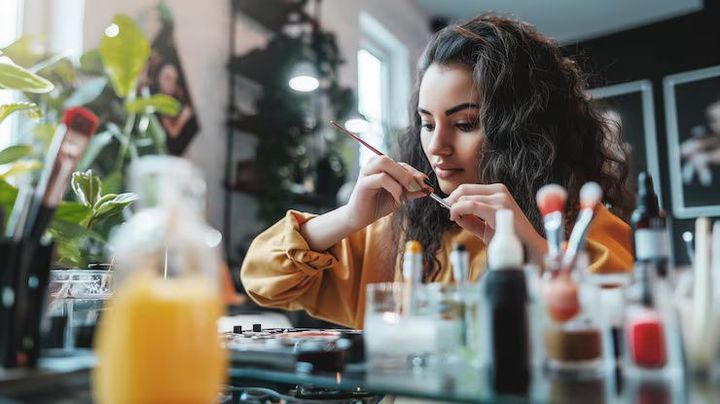
Cosmetic makers are businesses or manufacturing companies that produce personal care and beauty products. Their work may include formulating skincare products, blending makeup ingredients, producing haircare items, and preparing products for packaging and labeling. Some cosmetic makers develop products for their own brand, while others manufacture products for outside companies that want to launch a cosmetic line under a private label.
Their role often begins with product development. This can include selecting ingredients, deciding on texture and fragrance, testing stability, and making sure the product performs as expected. Once a formula is finalized, the maker moves into production, packaging, quality checks, and compliance review.
In simple terms, cosmetic makers are the link between an idea for a beauty product and the finished item that reaches consumers.

Types of Cosmetic Makers
Not all cosmetic makers operate in the same way. The industry includes several different business models, each serving a different purpose.
Private Label Manufacturers
Private label cosmetic makers produce ready-made formulas that another company can package under its own brand name. This model is common among startups and small businesses that want to launch products without building a full manufacturing setup from scratch.
Contract Manufacturers
Contract manufacturers create products for another brand based on specific requirements. A business may approach a cosmetic maker with a custom formula, ingredient list, or packaging concept, and the manufacturer handles production according to that brief.
In-House Brand Manufacturers
Some cosmetic makers create and manufacture products under their own brand. In this model, the same company may handle research, formulation, production, packaging, and distribution.
Specialty or Niche Manufacturers
These cosmetic makers focus on a particular category, such as organic skincare, vegan makeup, fragrance products, or salon-grade haircare. Their expertise is often centered on a specific product type or ingredient philosophy.
Common Products Made by Cosmetic Manufacturers
Cosmetic makers work across a wide range of categories. These can include:
- Facial cleansers and moisturizers
- Lipsticks, foundations, and eye makeup
- Shampoos, conditioners, and hair masks
- Sunscreens and after-sun products
- Body lotions, scrubs, and oils
- Serums, masks, and anti-aging creams
- Deodorants and personal hygiene products
- Fragrance and perfume products
Some cosmetic makers focus only on one category, while others manufacture products across several beauty and personal care segments.
How Cosmetic Products Are Made
The manufacturing process can vary depending on the type of product, but the general workflow often follows a similar path.
1. Product Planning and Concept Development
The process usually starts with a product idea. This could be a hydrating face cream, a sulfate-free shampoo, or a tinted lip balm. At this stage, decisions are made about the target audience, product purpose, ingredient direction, and texture preferences.
2. Formula Development
Chemists and product developers create the formula using a combination of active ingredients, base materials, preservatives, fragrances, and stabilizers. The formula must be safe, stable, and suitable for the intended use.
3. Testing and Stability Checks
Before large-scale production begins, the product goes through tests to see how it performs over time. This may include checking texture, color, scent, shelf life, and compatibility with packaging. Safety testing and microbiological checks are also important.
4. Production and Filling
Once the formula is approved, the product is manufactured in batches. Ingredients are mixed in controlled conditions and then filled into jars, bottles, tubes, or other packaging formats.
5. Labeling and Packaging
The product packaging is prepared with ingredient lists, usage instructions, batch information, and branding elements. Cosmetic labeling must usually follow local regulations and naming rules.
6. Quality Control
Before products leave the facility, they are inspected for consistency, appearance, labeling accuracy, and packaging quality. This step helps reduce errors and maintain product standards.
Why Cosmetic Makers Matter
Cosmetic makers influence more than just the appearance of a product. They affect safety, ingredient quality, product consistency, and how well a product performs in daily use. A moisturizer that separates after a few weeks, a lipstick that changes color unexpectedly, or a shampoo that irritates the scalp may point to issues in formulation, testing, or manufacturing.
They also shape trends in the beauty industry. When demand grows for fragrance-free skincare, refillable packaging, or plant-based ingredients, cosmetic makers are often the ones adapting formulas and production methods to meet those changes.
For newer beauty brands, cosmetic makers make it possible to enter the market without setting up a factory or building a full technical team. For established brands, they help maintain production capacity and support product expansion.
Ingredients and Safety Considerations
Ingredients are one of the most important parts of cosmetic manufacturing. Cosmetic makers work with oils, emulsifiers, botanical extracts, colorants, preservatives, waxes, surfactants, and active compounds depending on the type of product being made.
Consumers today often pay close attention to ingredients such as hyaluronic acid, niacinamide, ceramides, retinol, peptides, and mineral UV filters. At the same time, there is growing awareness around fragrance sensitivity, preservatives, allergens, and ingredient transparency.
Because cosmetics are applied to skin, lips, hair, and around the eyes, safety matters. Cosmetic makers are expected to follow hygiene standards, use approved ingredients where required, and maintain documentation for formulas and production batches. While rules differ by country, responsible manufacturing generally includes proper testing, accurate labeling, and traceability of ingredients.
Trends Shaping Cosmetic Makers Today
The cosmetic manufacturing industry continues to evolve as consumer preferences and market expectations change. Several trends are influencing cosmetic makers right now.
Clean and Transparent Formulations
Many consumers want simple ingredient lists and clearer explanations of what products contain. This has pushed cosmetic makers to rethink how products are formulated and labeled.
Sustainable Packaging
There is increasing interest in recyclable materials, refill systems, and lower-waste packaging. Manufacturers are exploring packaging options that reduce environmental impact while still protecting the product.
Inclusive Product Development
More brands are asking manufacturers to create products for a wider range of skin tones, hair textures, and skin concerns. This is especially visible in makeup and haircare.
Smaller Production Runs
Smaller and independent beauty brands often want limited batch production rather than very large volumes. Cosmetic makers are adjusting by supporting more flexible manufacturing models.
Science-Backed Skincare
Skincare continues to move toward ingredient-focused products that highlight measurable benefits, such as hydration support, barrier repair, brightening, or oil control. This has increased the demand for research-driven formulation work.
Challenges Cosmetic Makers Face
Cosmetic makers operate in a competitive and highly detail-oriented industry. One challenge is balancing product innovation with regulatory compliance and safety expectations. Ingredient shortages, packaging delays, and changes in consumer trends can also affect production planning.
Another challenge is maintaining consistency. A face cream should feel, smell, and perform the same from one batch to the next. This requires careful quality control and strong process management.
There is also pressure to respond quickly to trends while avoiding rushed development. Social media can rapidly influence what consumers want, but safe and stable cosmetic production still takes time.
Final Thoughts
Cosmetic makers are a key part of the beauty and personal care industry, even though much of their work happens behind the scenes. They help turn ideas into real products by handling formulation, testing, production, packaging, and quality checks. Whether they produce skincare, makeup, haircare, or personal hygiene products, their role affects product safety, consistency, and overall user experience.
For consumers, understanding cosmetic makers can make it easier to look beyond marketing and pay attention to how products are made. For businesses entering the beauty space, it highlights the importance of choosing the right manufacturing approach, understanding regulations, and focusing on product quality from the start. As the industry continues to change, cosmetic makers will remain central to how beauty products are developed and brought to market.