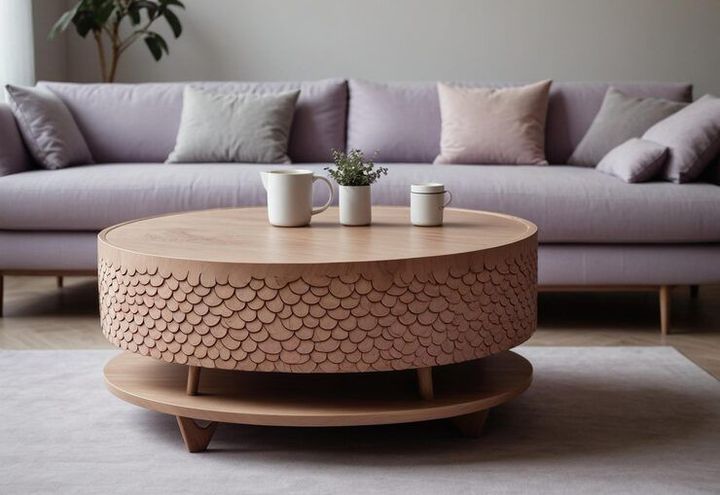
Accent Tables: A Complete Guide to Types, Uses, and Design Ideas
Accent tables are small furniture pieces that can make a noticeable difference in a room. Although they are compact, they help create a balanced layout while adding personality to the space. Whether placed beside a sofa, next to a bed, or in a hallway, an accent table can combine function with style in a simple and practical way.
Many people think of accent tables as decorative items, but they are also useful for everyday activities. They provide a place for a lamp, a cup of coffee, books, plants, or decorative accessories without taking up much floor space. Because they come in many shapes, materials, and designs, they fit comfortably into homes with different interior styles.
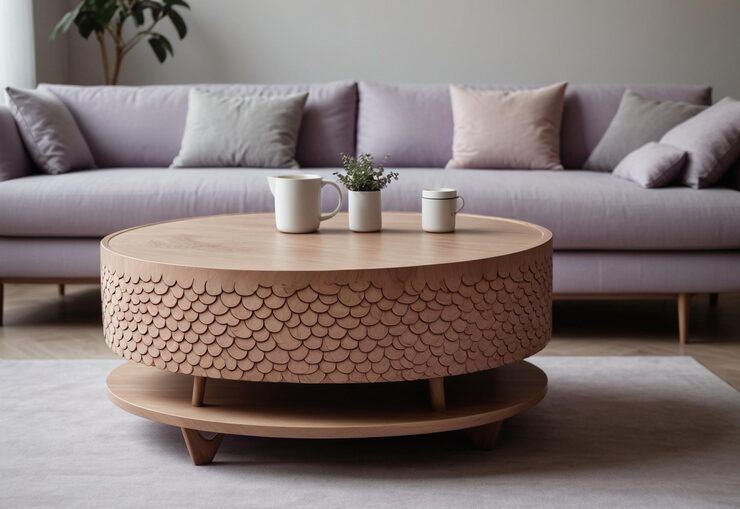
This guide explains what accent tables are, the common types available, popular materials, placement ideas, and tips for choosing one that suits your home.
What Are Accent Tables?
An accent table is a small table designed to complement the furniture in a room. Unlike dining or office tables, accent tables are usually intended for light everyday use and decoration. They often act as finishing pieces that complete the appearance of a room while providing additional surface space.
Accent tables can blend into an existing design or introduce a contrasting color, texture, or material. Their flexibility makes them suitable for living rooms, bedrooms, entryways, offices, and even covered outdoor areas.
Why Accent Tables Matter
Even though accent tables are smaller than many other furniture pieces, they contribute to both comfort and organization.
Some common reasons people include accent tables in their homes include:
- Providing a convenient surface for everyday items
- Supporting lighting with table lamps
- Displaying plants or decorative objects
- Filling empty corners without making a room feel crowded
- Creating visual balance between larger furniture pieces
- Improving room organization
Their practical nature allows them to adapt as room layouts change over time.
Common Types of Accent Tables
Several types of accent tables are available, each designed for different purposes.
Side Tables
Side tables are among the most common accent tables. They are typically positioned beside sofas or chairs, creating an easy-to-reach surface for drinks, books, or lighting.
Their compact size makes them suitable for both large and small living spaces.
End Tables
Although often confused with side tables, end tables are usually placed at the ends of sofas or seating arrangements. Many homes use matching end tables to create symmetry within a room.
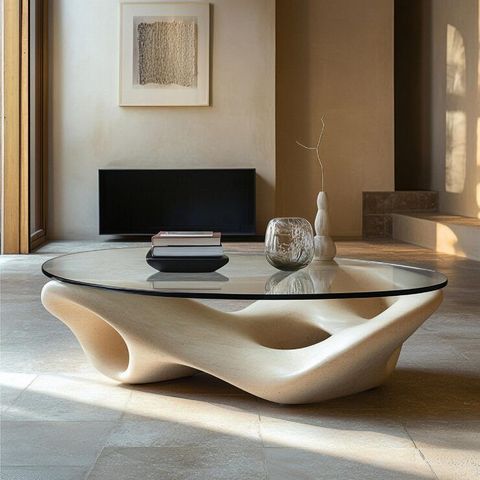
Coffee Tables
Coffee tables are larger than most accent tables and are positioned in front of sofas. Besides holding decorative accessories, they provide space for magazines, remote controls, and beverages during everyday use.
Console Tables
Console tables feature a narrow design that works well against walls or behind sofas. They are commonly placed in entryways, hallways, or living rooms where space is limited.
Decorative items, framed photographs, or lamps are often displayed on console tables.
Nesting Tables
Nesting tables consist of two or more tables that slide neatly beneath one another. They can be separated when additional surface space is needed and stacked together afterward.
This design is particularly useful in compact living spaces.
C-Shaped Tables
A C-shaped accent table slides partially underneath a sofa or chair, allowing the tabletop to sit directly over the seating area. This design provides convenient access while reading, using a laptop, or enjoying a snack.
Popular Materials Used for Accent Tables
The material of an accent table influences its appearance, durability, and maintenance requirements.
Wood
Wood remains one of the most popular choices because of its warm and natural appearance. Different wood finishes can complement traditional, farmhouse, rustic, or modern interiors.
Metal
Metal tables often feature clean lines and contemporary designs. Steel, aluminum, and iron are commonly used to create durable frames with a sleek appearance.
Glass
Glass tabletops help rooms appear brighter and more open. Clear glass works especially well in smaller spaces because it creates a lighter visual effect.
Stone
Natural stone and engineered stone surfaces provide texture and character. Marble-inspired finishes remain popular for elegant interiors, while other stone materials create a timeless appearance.
Mixed Materials
Many modern accent tables combine wood, metal, glass, or stone within a single design. These combinations create visual interest while blending traditional and contemporary elements.
Choosing the Right Accent Table
Selecting an accent table involves more than simply choosing a style. Considering the room's size, furniture arrangement, and daily use helps create a balanced space.
Consider the Height
The tabletop should generally sit close to the height of nearby seating. This allows comfortable access while maintaining visual harmony.
Think About Size
Large tables may overwhelm compact rooms, while very small tables can appear out of proportion in spacious living areas.
Leaving enough walking space around furniture keeps the room comfortable and functional.
Match the Room Style
Accent tables do not need to match every furniture piece exactly. Instead, they should complement the overall design through color, material, or shape.
Evaluate Storage Needs
Some accent tables include shelves or drawers that help organize books, remote controls, chargers, or other everyday items.
Homes with limited storage often benefit from these practical features.
Accent Table Placement Ideas
Proper placement allows accent tables to improve both function and appearance.
Living Room
Side tables beside sofas create convenient surfaces for lamps and beverages.
Coffee tables naturally become the center of conversation areas.
Console tables behind sofas can display decorative items while defining open living spaces.
Bedroom
Nightstands function as accent tables beside beds, providing space for lighting, books, and personal items.
Small accent tables can also create a reading corner next to a comfortable chair.
Entryway
A narrow console table in an entryway provides a welcoming appearance while creating a place for keys, decorative bowls, or seasonal decorations.
Hallways
Long hallways often benefit from slim accent tables that introduce visual interest without blocking movement.
Home Office
Compact accent tables can support printers, decorative plants, or reference materials while keeping workspaces organized.
Decorating an Accent Table
Decorating an accent table does not require many items. A simple arrangement often creates a more balanced appearance.
Popular decorating ideas include:
- Small indoor plants
- Decorative trays
- Candles
- Framed photographs
- Table lamps
- Ceramic vases
- Small sculptures
- Stacked books
Combining items with different heights creates visual variety without making the table feel crowded.
Accent Tables for Different Interior Styles
Accent tables are available in designs that complement nearly every decorating style.
Modern
Modern accent tables typically feature clean lines, smooth finishes, and simple geometric shapes.
Traditional
Traditional designs often include detailed woodwork, classic finishes, and timeless proportions.
Rustic
Rustic tables showcase natural wood textures, visible grain patterns, and earthy finishes that create warmth.
Industrial
Industrial-inspired tables frequently combine metal frames with wood surfaces for a practical, urban appearance.
Scandinavian
Scandinavian designs emphasize simplicity, light wood finishes, and functional beauty with minimal decoration.
Caring for Accent Tables
Routine care helps maintain the appearance of accent tables for many years.
Helpful maintenance habits include:
- Dust surfaces regularly with a soft cloth.
- Clean spills promptly to reduce staining.
- Use coasters beneath beverages.
- Protect surfaces from excessive moisture.
- Avoid dragging heavy objects across tabletops.
- Tighten loose hardware when necessary.
Different materials may require specific cleaning products, so following manufacturer recommendations helps preserve the finish.
Common Mistakes to Avoid
Several simple mistakes can reduce the usefulness of an accent table.
These include:
- Choosing a table that is too tall or too short
- Blocking walkways with oversized furniture
- Overcrowding the tabletop with decorations
- Ignoring the room's overall proportions
- Selecting materials that do not suit daily use
A thoughtful balance between appearance and practicality usually creates the most comfortable living space.
Conclusion
Accent tables may be small, but they play an important role in everyday living. They provide useful surface space while adding style, texture, and balance to different rooms. With many shapes, materials, and designs available, they can complement a wide range of home interiors.
Whether placed beside a sofa, next to a bed, or in an entryway, the right accent table supports daily routines while helping a room feel complete. By considering size, material, placement, and function, it becomes easier to choose a table that fits naturally into any living space.