Water for Injection Systems Guide: Explore Types, Components, Purification, Uses, and Quality Factors
Water for Injection, commonly called WFI, is highly purified water used in pharmaceutical manufacturing and other controlled applications. A Water for Injection system is designed to produce, store, and distribute water that meets defined quality requirements for pharmaceutical processes. Understanding WFI systems involves examining their purification methods, components, monitoring practices, uses, and quality factors.
Water used in pharmaceutical production must be controlled because unwanted microorganisms, dissolved substances, particles, and other contaminants can affect manufacturing processes. WFI systems therefore combine water-treatment equipment with storage, distribution, monitoring, and sanitation processes.
What Is Water for Injection?
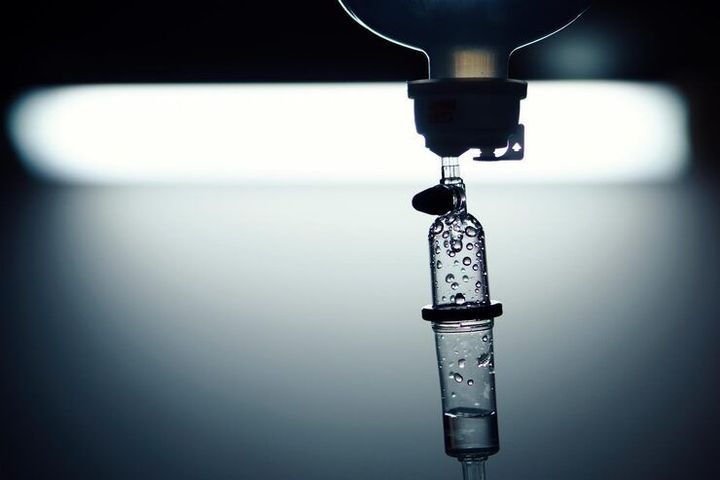
Water for Injection is a pharmaceutical-grade water category used primarily in the preparation of medicines intended for parenteral administration and in processes where a high level of water purity is required. It is not simply ordinary drinking water that has been filtered.
The production method and quality requirements depend on the applicable pharmacopoeia and regulatory framework. Major pharmacopoeias, including the United States Pharmacopeia, European Pharmacopoeia, and Indian Pharmacopoeia, establish requirements for pharmaceutical water quality.
Why WFI Systems Are Used
A WFI system is designed as a complete water-management process rather than a single purification device. It may include pretreatment, purification equipment, storage tanks, distribution loops, monitoring instruments, and sanitation arrangements.
The system must maintain water quality after purification. This is important because purified water can become contaminated during storage or distribution if the system is poorly designed, maintained, or monitored.
Importance
Water is one of the most widely used materials in pharmaceutical manufacturing. It can be incorporated into formulations, used during processing, or come into contact with equipment and containers. Because of these applications, the quality of pharmaceutical water can have a direct effect on manufacturing controls.
WFI systems are particularly important where water is used in processes associated with sterile or parenteral pharmaceutical products. The system must control chemical and microbiological characteristics while maintaining appropriate conditions throughout production and distribution.
Problems WFI Systems Address
Untreated water may contain minerals, organic substances, microorganisms, particles, and other contaminants. Conventional treatment can reduce many of these substances, but pharmaceutical applications require additional controls and defined quality specifications.
A properly designed WFI system addresses several concerns:
- Reduction of dissolved impurities
- Control of microbial contamination
- Reduction or control of bacterial endotoxins
- Management of particles
- Continuous protection during storage and distribution
- Monitoring of important water-quality parameters
- Controlled cleaning and sanitation
The exact treatment sequence depends on the incoming water characteristics and the required pharmaceutical application.
Who Uses WFI Systems?
WFI systems are primarily associated with pharmaceutical manufacturing and facilities that require highly controlled pharmaceutical water. They can also be relevant to biotechnology, vaccine manufacturing, sterile production, and certain laboratory processes.
The system design depends on factors such as production volume, water demand, facility layout, regulatory requirements, and the intended use of the water.
Recent Updates
From 2024 through 2026, pharmaceutical water systems have continued to move toward greater automation, continuous monitoring, improved energy management, and stronger contamination-control practices. The focus is increasingly on controlling the complete water system rather than examining purified water only at the point where it is produced.
Modern systems may use sensors and digital monitoring platforms to track parameters such as temperature, conductivity, flow, pressure, total organic carbon, and other process indicators. Automated alarms can help identify changes that require investigation.
Purification Technology Trends
Thermal distillation remains an important approach for producing WFI, while membrane-based technologies are also used in accordance with applicable pharmacopoeial and regulatory requirements. Modern systems may combine multiple treatment stages rather than relying on one purification method.
Common technologies include reverse osmosis, electrodeionization, ultrafiltration, and distillation. The selection of technologies depends on the incoming water, system design, required quality, and applicable regulatory expectations.
Automation and Monitoring
Automation allows operators to monitor water-generation and distribution conditions more consistently. Data logging can provide a historical record of important parameters and help identify unusual trends.
Online monitoring is also increasingly integrated with facility control systems. However, automated monitoring does not eliminate the need for qualification, calibration, maintenance, sampling, and documented review.
Laws or Policies
In India, pharmaceutical manufacturing is regulated through requirements administered by the Central Drugs Standard Control Organisation and related authorities. The Drugs and Cosmetics Act and Drugs and Cosmetics Rules provide the broader regulatory framework for pharmaceutical manufacturing in the country.
Good Manufacturing Practices are particularly relevant to pharmaceutical water systems. Schedule M of the Drugs Rules contains requirements concerning premises, equipment, production controls, sanitation, documentation, and other manufacturing practices.
The revised Schedule M framework places greater emphasis on pharmaceutical quality systems, qualification, validation, documentation, and contamination control. Facilities must determine the requirements applicable to their specific manufacturing activities and regulatory category.
Indian pharmaceutical manufacturers may also refer to the Indian Pharmacopoeia for applicable standards and specifications. International operations can additionally be subject to pharmacopoeial and regulatory requirements in the countries where products are manufactured or distributed.
Water System Qualification
Qualification is an important part of pharmaceutical water-system control. It generally involves documented evidence that equipment and systems have been appropriately designed, installed, operated, and maintained according to defined requirements.
Validation and ongoing monitoring are also important because water quality can change over time. Sampling plans, microbial monitoring, chemical testing, sanitation procedures, and trend analysis may form part of the overall water-system control strategy.
Regulatory requirements can change, and facilities should use current official regulations, pharmacopoeias, and applicable authority guidance when establishing or reviewing a pharmaceutical water system.
Tools and Resources
Several technical resources help explain and manage WFI systems.
Pharmacopoeias
Pharmacopoeias provide specifications and testing requirements for pharmaceutical substances and materials, including pharmaceutical water categories. Relevant references may include the Indian Pharmacopoeia, United States Pharmacopeia, and European Pharmacopoeia.
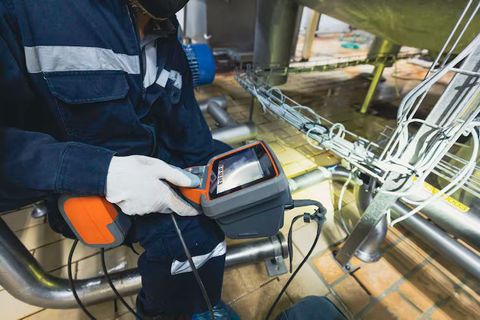
Water Quality Monitoring Instruments
Typical monitoring equipment can include conductivity meters, total organic carbon analyzers, temperature sensors, pressure sensors, flow meters, and microbiological sampling equipment.
| Parameter | What it helps monitor |
|---|---|
| Conductivity | Ionic or dissolved conductive substances |
| Total Organic Carbon | Organic carbon contamination |
| Temperature | Thermal conditions within the system |
| Flow | Movement through distribution piping |
| Pressure | Distribution and equipment operating conditions |
| Microbial count | Microbiological condition of the water |
| Endotoxin testing | Bacterial endotoxin levels |
The specific testing frequency and acceptance criteria depend on the applicable standard, system design, water application, and regulatory requirements.
Water System Documentation
Important documentation may include system diagrams, equipment specifications, qualification records, calibration records, sanitation procedures, sampling plans, laboratory results, maintenance records, and monitoring reports.
Digital data-management systems can help organize these records and identify trends over extended periods. Documentation is particularly important when investigating changes in water quality.
Regulatory Resources
Official resources from India's Ministry of Health and Family Welfare, Central Drugs Standard Control Organisation, and Indian Pharmacopoeia Commission can help readers understand applicable pharmaceutical requirements.
International manufacturers may also consult the relevant regulatory authority and pharmacopoeia for their jurisdiction. Requirements should always be interpreted according to the specific manufacturing process and regulatory classification.
FAQs
What is a Water for Injection system?
A Water for Injection system is an integrated setup used to generate, store, monitor, and distribute pharmaceutical-grade Water for Injection. It can contain several purification technologies and controlled distribution components.
How is Water for Injection purified?
WFI can be produced using appropriate purification technologies such as distillation or qualified membrane-based processes, depending on the applicable pharmacopoeial requirements. Pretreatment and additional purification stages may be used to protect the main purification equipment.
What are the main components of a WFI system?
Common components include pretreatment equipment, purification units, storage tanks, pumps, distribution piping, valves, sensors, sampling points, control systems, and sanitation arrangements. The exact configuration depends on the facility and production requirements.
What quality factors are important for Water for Injection?
Important factors include chemical purity, microbial quality, bacterial endotoxin control, conductivity, total organic carbon, temperature, particle control, and appropriate system monitoring. Acceptance criteria are determined by applicable pharmacopoeial and regulatory requirements.
Where is Water for Injection used?
WFI is primarily used in pharmaceutical manufacturing processes where a high level of water quality is required, particularly for products and processes associated with parenteral preparations. Its specific use depends on the applicable manufacturing process and regulatory requirements.
Conclusion
Water for Injection systems combine purification, storage, distribution, monitoring, and sanitation controls to maintain pharmaceutical water quality. Common technologies include distillation and qualified membrane-based treatment systems, supported by monitoring instruments and documented procedures. Current developments increasingly emphasize automation, continuous monitoring, contamination control, and data-based trend analysis. In India, pharmaceutical water systems operate within a regulatory framework that includes the Drugs and Cosmetics Rules, Good Manufacturing Practices, and applicable pharmacopoeial requirements.