Air travel connects people, supports tourism, and helps businesses reach destinations around the world. Every day, thousands of aircraft carry passengers and cargo across continents. While aviation plays an important role in modern life, it also contributes to greenhouse gas emissions. As countries work toward climate goals, attention has turned to cleaner ways of powering aircraft.
One approach receiving significant attention is Sustainable Aviation Fuels (SAF). These fuels are designed to reduce the environmental impact of flying by using renewable or recycled materials instead of relying entirely on fossil fuels. Although SAF cannot solve every environmental challenge connected to aviation, it represents an important step toward reducing emissions while existing aircraft continue to operate.
This guide explains what Sustainable Aviation Fuels are, how they are made, their environmental impact, current challenges, and what the future may hold.
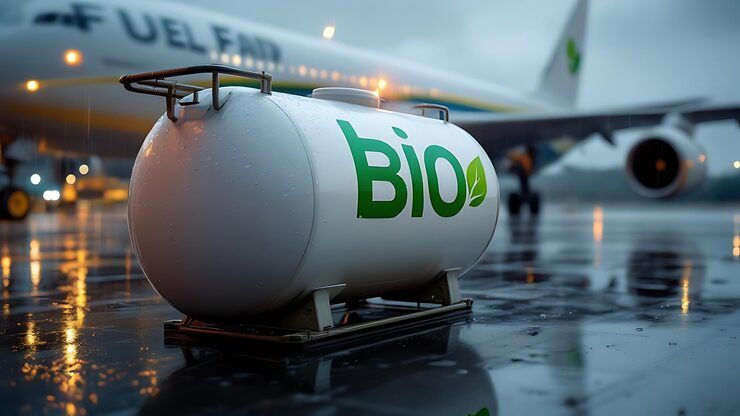
What Are Sustainable Aviation Fuels?
Sustainable Aviation Fuels are alternative jet fuels produced from renewable resources or waste materials. Unlike conventional jet fuel, which comes from crude oil, SAF can be produced using materials such as:
- Used cooking oil
- Agricultural residues
- Forestry waste
- Municipal solid waste
- Animal fats
- Certain non-food crops
- Algae in research and development projects
These fuels are carefully processed so they meet strict aviation safety requirements. Today, approved Sustainable Aviation Fuels are commonly blended with conventional jet fuel before being used in commercial aircraft.
An important advantage is that many existing aircraft and airport fuel systems can already use approved SAF blends without significant modifications.
Why Aviation Is Looking for Cleaner Fuel
Aviation is one of the more challenging transportation sectors to decarbonize. Electric vehicles have become increasingly common on roads, but large passenger aircraft require enormous amounts of energy during long-distance flights. Current battery technology cannot yet provide enough energy for many commercial routes.
Because of this limitation, liquid fuels remain essential for aviation. Sustainable Aviation Fuels provide a practical pathway to lower emissions while aircraft manufacturers continue researching future technologies such as hydrogen-powered aircraft and advanced electric aviation.
Rather than replacing today's aviation system overnight, SAF allows the industry to reduce environmental impacts using existing aircraft fleets.
How Sustainable Aviation Fuels Are Made
Different production methods exist, depending on the raw materials available. While the technical processes vary, the general steps include collecting renewable materials, processing them into fuel, refining the product, and testing it to meet aviation standards.
Some common production pathways include:
Used Cooking Oil and Waste Oils
Restaurants and food processing facilities generate large amounts of used cooking oil. Instead of becoming waste, these oils can be refined into aviation fuel after undergoing specialized treatment.
Agricultural and Forestry Residues
Crop leftovers, wood waste, and forestry by-products contain organic material that can be converted into liquid fuels through advanced processing technologies.
Municipal Waste
Some production methods transform certain household waste materials into fuel, reducing landfill use while creating an alternative energy source.
Future Feedstocks
Scientists continue researching algae, carbon capture technologies, and renewable hydrogen as possible ingredients for future aviation fuels. These approaches remain under development but could expand fuel production over time.
Environmental Benefits of Sustainable Aviation Fuels
The primary goal of Sustainable Aviation Fuels is to reduce lifecycle greenhouse gas emissions.
Unlike conventional fuel, many SAF feedstocks absorb carbon while growing or make use of materials that would otherwise become waste. When considering the entire production cycle, many SAF pathways produce substantially lower emissions compared with traditional jet fuel.
Additional environmental benefits may include:
- Lower lifecycle carbon emissions
- Reduced dependence on fossil fuel resources
- Productive use of waste materials
- Support for circular economy practices
- Potential reduction in certain particulate emissions
The exact environmental impact depends on the raw materials and production methods used.
Can Sustainable Aviation Fuels Completely Eliminate Emissions?
No. Sustainable Aviation Fuels reduce emissions rather than eliminating them.
Aircraft still release carbon dioxide during flight because SAF remains a combustible liquid fuel. However, since many feedstocks come from renewable biological sources or recycled materials, the overall carbon footprint across the full lifecycle can be significantly lower.
Reducing aviation emissions will likely require multiple approaches working together, including:
- Sustainable Aviation Fuels
- Improved aircraft efficiency
- Smarter flight operations
- Modern airport infrastructure
- Future hydrogen technologies
- Electric aircraft for shorter routes where practical
Each solution contributes to long-term environmental goals.
Current Challenges Facing Sustainable Aviation Fuels
Although interest continues growing, several challenges remain before SAF becomes more widely available.
Limited Production Capacity
Global SAF production remains much smaller than overall aviation fuel demand. Increasing production requires additional facilities, raw materials, and long-term planning.
Feedstock Availability
Renewable materials are not unlimited. Careful planning is necessary to ensure production does not compete with food resources or create unintended environmental impacts.
Production Complexity
Transforming waste materials into aviation-grade fuel requires advanced refining technologies and strict quality testing.
Infrastructure Expansion
Airports, fuel suppliers, and production facilities continue expanding systems needed to support larger SAF volumes.
Policy Development
Many countries are introducing regulations, incentives, and long-term climate strategies that encourage wider adoption of Sustainable Aviation Fuels while maintaining aviation safety standards.
How Airlines Are Using Sustainable Aviation Fuels
Many airlines have already completed commercial flights using approved SAF blends. Airports in different regions are gradually increasing fuel availability as production expands.
Rather than switching entirely to Sustainable Aviation Fuels, airlines currently blend SAF with conventional jet fuel according to approved standards. This allows aircraft to operate normally while lowering lifecycle emissions.
Several aviation companies are also working together with fuel producers, airports, and governments to encourage wider adoption in the coming years.
Research and Innovation
Scientists continue exploring new ways to improve Sustainable Aviation Fuels.
Current research focuses on:
- Higher fuel production efficiency
- Advanced waste conversion methods
- Improved algae cultivation
- Synthetic fuels using captured carbon dioxide
- Renewable hydrogen integration
- Improved lifecycle sustainability
As technology advances, future production methods may provide additional environmental improvements while increasing fuel availability.
What Travelers Should Know
Passengers increasingly pay attention to the environmental impact of flying. While individuals may not notice any difference during a flight powered partly by SAF, the fuel can contribute to lower overall lifecycle emissions.
Travelers can also support more sustainable aviation by considering direct flights when practical, reducing unnecessary baggage weight, and staying informed about environmental initiatives within the aviation industry.
Although these actions represent only part of the broader solution, combined efforts across travelers, airlines, manufacturers, researchers, and governments can contribute to meaningful progress.
The Future of Sustainable Aviation Fuels
Sustainable Aviation Fuels are expected to remain an important part of aviation's environmental transition for many years.
Production continues expanding in various regions, while researchers investigate new renewable materials and manufacturing methods. Governments are introducing policies that encourage cleaner aviation, and aircraft manufacturers continue improving fuel efficiency alongside future propulsion technologies.
No single innovation will completely transform aviation overnight. Instead, progress will likely come through a combination of cleaner fuels, technological innovation, operational improvements, and continued research.
As these developments move forward, Sustainable Aviation Fuels may play an increasingly significant role in reducing aviation's environmental footprint while allowing global air travel to remain an important part of modern transportation.