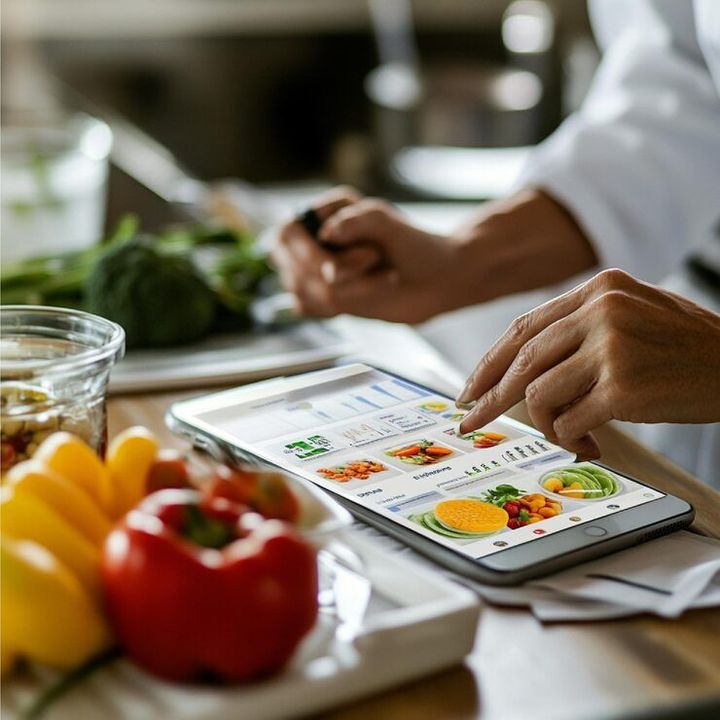
Recipe management apps are digital tools designed to help users collect, organize, store, and access cooking recipes across devices. These platforms often include features such as meal planning, grocery list generation, recipe import from websites, nutritional tracking, cloud synchronization, and family sharing. As cooking content increasingly moves online through blogs, video platforms, and social media, managing recipes efficiently has become more important for households, culinary students, nutrition-conscious users, and food professionals.

The comparison between recipe management apps matters more today because people are dealing with information overload from online cooking sources. Many users save recipes across screenshots, browser bookmarks, handwritten notes, and social media posts, making retrieval difficult later. Modern apps attempt to solve this fragmentation problem by centralizing recipe storage into searchable digital libraries.
Recent trends show growing interest in AI-assisted meal planning, grocery automation, smart kitchen integration, and cross-platform syncing. Cloud-based recipe tools are also benefiting from increasing smartphone usage and remote lifestyle habits. In addition, users are paying closer attention to food budgeting, dietary restrictions, sustainability, and nutrition tracking, which has increased demand for structured recipe organization systems.
Who It Affects and What Problems It Solves
Recipe management apps affect a broad range of users, including home cooks, working professionals, families, students, diet-conscious individuals, and culinary enthusiasts. For busy households, these tools simplify meal preparation by reducing time spent searching for recipes or planning weekly menus. Nutrition-focused users benefit from ingredient tracking, calorie visibility, and dietary categorization such as vegetarian, gluten-free, or low-carb meals.
Food bloggers and cooking content creators also use recipe management tools to archive and categorize their own creations. In professional settings, chefs and culinary students may rely on digital recipe systems for consistency, measurement standardization, and kitchen coordination.
Common Problems These Apps Solve
| Problem | How Recipe Apps Help |
|---|---|
| Disorganized recipe storage | Centralized searchable database |
| Lost screenshots or notes | Cloud backup and synchronization |
| Difficulty planning meals | Weekly meal planners and scheduling |
| Repetitive grocery shopping | Auto-generated shopping lists |
| Managing dietary preferences | Tagging and filtering systems |
| Recipe duplication | Smart import and categorization |
| Time-consuming preparation | Step-by-step cooking workflows |
Another significant challenge solved by these apps is content accessibility. Traditional paper cookbooks are harder to search quickly, while recipe apps allow filtering by cuisine, ingredients, cooking time, or nutrition. This improves efficiency and reduces food waste because users can identify recipes based on ingredients already available at home.
Recent Updates and Industry Trends
The recipe management app ecosystem has evolved considerably over the past year. Several important trends are shaping how users interact with cooking and meal-planning platforms.
AI-Powered Recipe Recommendations
Many apps now use artificial intelligence to recommend meals based on previous cooking habits, dietary needs, seasonal ingredients, or pantry availability. AI-driven personalization is becoming a key differentiator among major platforms.
Integration With Grocery Delivery Services
Some recipe platforms now integrate directly with grocery delivery ecosystems. Users can convert recipes into shopping lists and order ingredients online through connected services. This reduces manual entry and streamlines meal preparation.
Growth of Nutrition-Focused Features
Health-conscious cooking remains a major trend. More apps now provide calorie estimation, macro tracking, allergen filtering, and nutrition analysis. This reflects increasing global attention toward preventive healthcare and dietary awareness.
Offline Access and Cross-Platform Syncing
Developers are improving offline access capabilities for users who cook in low-connectivity environments. Cross-device synchronization between phones, tablets, desktops, and smart displays has also become more common.
Sustainability and Food Waste Reduction
Apps increasingly encourage ingredient reuse and leftover management. Some platforms suggest recipes using ingredients close to expiration, helping households minimize food waste.
Privacy and Data Awareness
As recipe apps collect user preferences and shopping behaviors, privacy awareness has grown. Some users now evaluate apps based on data handling transparency, subscription models, and cloud storage policies.
Comparison Table of Popular Recipe Management Apps
| App | Key Features | Best For | Offline Access | Platform Support | Pricing Model |
|---|---|---|---|---|---|
| Paprika | Recipe clipping, meal planning, grocery lists | Advanced home cooks | Yes | iOS, Android, Windows, Mac | One-time purchase |
| AnyList | Shared grocery lists and meal planning | Families | Limited | iOS, Android, Web | Freemium |
| Mealime | Personalized meal planning | Beginners | Partial | iOS, Android | Freemium |
| Recipe Keeper | Recipe import and nutrition info | Multi-device users | Yes | iOS, Android, PC | Freemium |
| Whisk | Smart shopping integration | Connected kitchens | Cloud-based | Android, iOS, Web | Free |
| Evernote | General note organization | Flexible organization | Yes | Multi-platform | Freemium |
| Notion | Custom recipe databases | Productivity-focused users | Partial | Web, Desktop, Mobile | Freemium |
| Cookmate | Local storage and imports | Offline-focused users | Yes | Android | Freemium |
Feature Comparison Snapshot
| Feature | Paprika | Mealime | Recipe Keeper | Whisk |
|---|---|---|---|---|
| Meal Planning | Yes | Yes | Yes | Yes |
| Grocery Sync | Yes | Yes | Yes | Yes |
| Nutrition Tracking | Limited | Strong | Moderate | Moderate |
| AI Recommendations | No | Partial | No | Partial |
| Cloud Sync | Yes | Yes | Yes | Yes |
| Recipe Web Import | Strong | Moderate | Strong | Strong |
The market does not currently have a single universally dominant solution because user priorities vary widely. Some users prioritize offline access, while others prefer automation, collaboration, or nutrition tracking.
Laws, Policies, and Regulatory Considerations
Recipe management apps are indirectly affected by several digital policies, consumer protection frameworks, and privacy regulations, depending on the country or region.
Data Privacy Regulations
Many recipe platforms store personal information such as dietary habits, shopping preferences, email addresses, and usage patterns. Regulations like the General Data Protection Regulation (GDPR) in Europe and similar privacy frameworks in other regions require companies to disclose how user data is collected and processed.
Users should review:
- Privacy policies
- Cloud backup permissions
- Third-party integrations
- Data-sharing settings
- Account deletion options
Food Labeling and Nutrition Standards
Apps that provide nutritional analysis may rely on public food databases or regional nutrition standards. Accuracy can vary depending on ingredient input and localization. Users with medical dietary restrictions should verify nutritional values independently when necessary.
Subscription Transparency Rules
Several countries require digital services to clearly disclose subscription pricing and renewal terms. Recipe apps offering premium plans must comply with digital billing transparency regulations in app marketplaces.
Copyright and Recipe Content
Recipes themselves may not always be copyright protected, but original written instructions, photography, and presentation can be protected intellectual property. Users importing recipes from websites should avoid unauthorized redistribution.
Practical Guidance for Different Situations
| Situation | Recommended Approach |
|---|---|
| Large family meal planning | Use shared-list apps like AnyList |
| Frequent offline cooking | Choose apps with local storage |
| Dietary tracking needs | Select nutrition-focused platforms |
| Minimal subscription preference | Use one-time purchase tools |
| Multi-device workflow | Prioritize cloud sync support |
| Privacy-sensitive users | Review local-storage options |
Government-backed nutrition awareness campaigns in several countries are also indirectly encouraging the adoption of digital meal-planning and dietary tracking tools.
Helpful Tools and Resources
Several digital tools complement recipe management apps and improve overall cooking organization.
Recipe Management Platforms
- Paprika
- Recipe Keeper
- AnyList
- Mealime
- Cookmate
- Whisk
Nutrition and Ingredient Databases
| Resource Type | Purpose |
|---|---|
| USDA FoodData Central | Ingredient nutrition information |
| Barcode scanning tools | Product nutrition lookup |
| Calorie calculators | Meal energy estimation |
| Allergy databases | Ingredient safety checks |
Kitchen Organization Tools
- Smart grocery list generators
- Pantry inventory trackers
- Meal planning templates
- Recipe scaling calculators
- Unit conversion tools
Productivity and Note-Taking Platforms
Some users prefer adaptable tools rather than dedicated recipe apps.
| Platform | Use Case |
|---|---|
| Notion | Custom recipe databases |
| Evernote | Web clipping and tagging |
| Google Keep | Quick ingredient notes |
| Microsoft OneNote | Structured cooking notebooks |
Useful Features to Look For
When selecting a recipe management app, users should evaluate:
- Cloud synchronization reliability
- Import quality from websites
- Search functionality
- Grocery integration
- Offline usability
- Export and backup support
- Multi-user collaboration
- Dietary filtering systems
Frequently Asked Questions
What is the main purpose of a recipe management app?
A recipe management app helps users organize, store, search, and plan recipes digitally. Many also include grocery lists, nutrition tracking, and meal scheduling features.
Are recipe management apps suitable for beginners?
Yes. Many modern apps are designed with beginner-friendly interfaces, guided cooking instructions, and automated meal-planning systems.
Which feature is most useful in recipe organizer apps?
The most valued features typically include recipe importing, searchable categories, meal planning, and grocery list automation.
Do recipe apps work without internet access?
Some apps support full offline access, while others rely heavily on cloud synchronization. Offline support varies by platform.
Are free recipe management apps enough for regular use?
For many users, free versions provide adequate recipe storage and organization tools. Premium plans usually add advanced syncing, collaboration, or nutrition features.
Conclusion
Recipe management apps have become increasingly important as cooking content expands across digital platforms. These tools help users centralize recipes, improve meal organization, reduce food waste, and simplify grocery planning. The growing popularity of AI-assisted recommendations, nutrition tracking, and cross-device synchronization reflects broader trends in digital lifestyle management and smart home technology.
Data trends suggest that users now prioritize convenience, personalization, and accessibility more than traditional cookbook organization methods. However, the best solution depends on individual priorities. Users seeking advanced organization and offline access may prefer platforms like Paprika or Recipe Keeper, while families may benefit more from collaborative planning tools such as AnyList. Beginners often find value in guided meal-planning apps like Mealime.
Overall, recipe management apps are evolving from simple digital cookbooks into integrated food-planning ecosystems that support organization, efficiency, and informed meal preparation.