Oil Extraction Tools: A Complete Guide to Equipment, Technologies, and Industry Applications
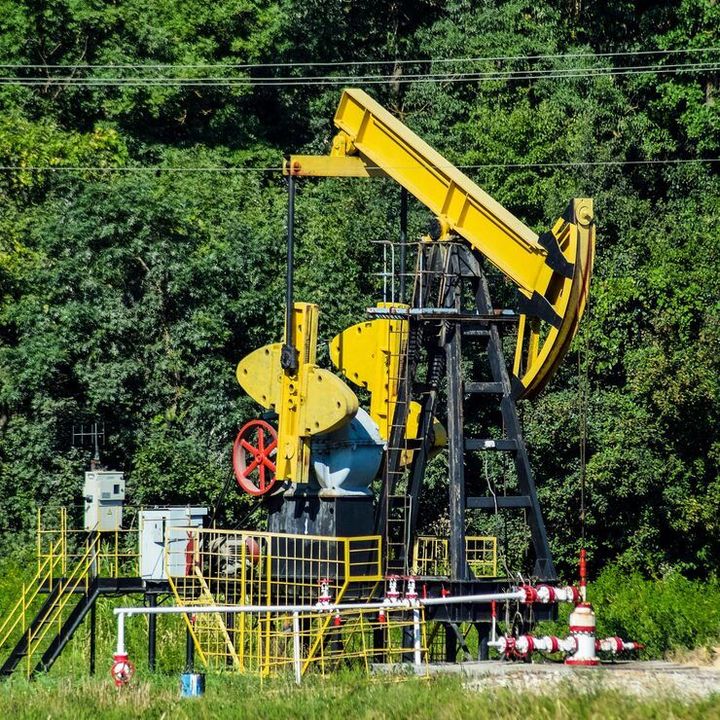
Oil extraction tools are specialized equipment and technologies used to recover crude oil and petroleum products from underground reservoirs. These tools play a critical role throughout the upstream oil and gas industry, supporting exploration, drilling, well completion, production optimization, and reservoir management activities.
As global energy demand continues to evolve, the efficiency and reliability of oil extraction tools have become increasingly important. Energy companies seek technologies that can improve recovery rates, reduce operational costs, minimize environmental impacts, and enhance worker safety. Modern extraction systems now incorporate digital monitoring, automation, sensor networks, and predictive maintenance capabilities that were uncommon a decade ago.
Recent developments in energy security, geopolitical shifts, and sustainability initiatives have further increased interest in advanced extraction technologies. Operators are under pressure to maximize production from existing fields while complying with stricter environmental and safety regulations. Consequently, oil extraction tools have become more sophisticated, enabling improved reservoir access and enhanced oil recovery techniques.
Understanding the various types of oil extraction tools helps engineers, operators, investors, policymakers, and industry professionals make informed decisions about technology adoption, operational efficiency, and long-term resource management.
Who It Affects and What Problems It Solves
Oil extraction tools impact a wide range of stakeholders throughout the energy ecosystem. Exploration companies rely on these tools to identify viable reservoirs and safely access underground resources. Drilling contractors use specialized equipment to construct wells and reach target formations. Production operators depend on extraction technologies to maintain consistent output and improve recovery efficiency.
Governments and regulators also have an interest in extraction tools because they influence energy security, resource utilization, environmental performance, and economic development. Communities near oil-producing regions benefit when operators use modern technologies that reduce emissions, improve safety, and minimize environmental disturbances.
Problems Oil Extraction Tools Help Solve
Oil extraction tools address several operational challenges:
- Accessing oil reservoirs located deep underground.
- Maintaining stability during drilling operations.
- Improving recovery rates from mature oil fields.
- Reducing production downtime.
- Enhancing worker safety.
- Monitoring reservoir performance in real time.
- Minimizing operational costs.
- Supporting compliance with environmental regulations.
- Managing pressure and flow conditions effectively.
- Extending the productive life of oil wells.
Without these tools, many oil reserves would remain economically or technically inaccessible.
Recent Updates and Industry Trends
The past year has seen significant advancements in oil extraction technologies driven by digital transformation, sustainability goals, and operational efficiency requirements.
Increased Automation
Oil operators continue to adopt automated drilling systems that reduce human intervention and improve precision. Automated rigs can optimize drilling parameters based on real-time geological data, helping reduce nonproductive time.
Artificial Intelligence Integration
AI-powered analytics platforms are increasingly used to evaluate well performance, predict equipment failures, and optimize production schedules. Predictive maintenance systems help operators reduce unexpected downtime.
Enhanced Oil Recovery Growth
Many mature fields are implementing enhanced oil recovery (EOR) techniques to extract additional hydrocarbons beyond conventional production methods. These technologies can significantly improve recovery factors in aging reservoirs.
Digital Oilfield Expansion
The concept of the digital oilfield continues to gain traction. Connected sensors, cloud-based monitoring systems, and remote operations centers provide operators with continuous visibility into field performance.
Environmental Monitoring Improvements
Regulatory scrutiny has encouraged investment in methane detection systems, emissions monitoring tools, and advanced leak detection technologies that improve environmental performance.
Comparison of Major Oil Extraction Tools
| Tool Type | Primary Function | Typical Application | Key Benefits | Limitations |
|---|---|---|---|---|
| Drill Bits | Penetrate rock formations | Exploration and drilling | Faster drilling performance | Wear and replacement costs |
| Mud Pumps | Circulate drilling fluids | Drilling operations | Well stability and cooling | High maintenance requirements |
| Artificial Lift Systems | Increase production flow | Mature wells | Improved output rates | Energy consumption |
| Downhole Sensors | Monitor well conditions | Production monitoring | Real-time data collection | Installation complexity |
| Blowout Preventers (BOPs) | Well control and safety | Drilling operations | Accident prevention | High capital cost |
| Hydraulic Fracturing Equipment | Enhance reservoir permeability | Unconventional reservoirs | Increased recovery rates | Regulatory scrutiny |
| Coiled Tubing Systems | Well intervention | Maintenance and repair | Reduced downtime | Specialized expertise needed |
| Enhanced Oil Recovery Tools | Improve extraction efficiency | Mature reservoirs | Higher recovery factors | Additional operational costs |
Relative Industry Usage
| Technology Category | Industry Adoption Level |
|---|---|
| Drill Bits | Very High |
| Mud Pumps | Very High |
| Blowout Preventers | Very High |
| Downhole Sensors | High |
| Artificial Lift Systems | High |
| Hydraulic Fracturing Equipment | High |
| Coiled Tubing Systems | Moderate to High |
| Enhanced Oil Recovery Systems | Growing |
Laws, Regulations, and Government Policies
Oil extraction tools operate within a highly regulated environment. Regulatory requirements vary by country but generally focus on safety, environmental protection, resource management, and operational transparency.
Safety Regulations
Most jurisdictions require operators to implement well control systems, emergency response plans, and certified safety equipment. Blowout preventers and pressure control systems are often mandatory components of drilling operations.
Environmental Requirements
Governments increasingly require monitoring of:
- Methane emissions
- Water usage
- Waste disposal
- Air quality impacts
- Spill prevention measures
Advanced monitoring tools help companies comply with these obligations.
Resource Management Policies
Many countries require detailed reporting on:
- Production volumes
- Reservoir performance
- Recovery rates
- Well integrity
Digital monitoring systems simplify compliance and reporting processes.
Practical Guidance
Choose Basic Extraction Tools When:
- Operating conventional reservoirs.
- Working with shallow wells.
- Managing limited production requirements.
- Conducting early-stage exploration.
Choose Advanced Extraction Technologies When:
- Reservoir complexity is high.
- Production efficiency is a priority.
- Enhanced recovery is needed.
- Regulatory compliance requirements are extensive.
- Real-time monitoring capabilities are required.
Organizations should evaluate operational objectives, regulatory obligations, and lifecycle costs before selecting extraction technologies.
Tools and Resources
Several tools and resources support oil extraction planning, operations, and analysis.
Engineering Software
Reservoir Simulation Software
Used to model reservoir behavior and forecast production performance.
Drilling Optimization Platforms
Help improve drilling efficiency through real-time analytics and operational recommendations.
Production Management Systems
Track well performance, equipment status, and production metrics.
Monitoring Technologies
SCADA Systems
Supervisory Control and Data Acquisition systems enable remote monitoring and control of field operations.
IoT Sensor Networks
Connected sensors provide continuous measurements of pressure, temperature, vibration, and flow rates.
Predictive Maintenance Platforms
Analyze equipment performance data to identify potential failures before they occur.
Industry Resources
Government Energy Agencies
Provide regulatory guidance, production statistics, and compliance resources.
Industry Associations
Offer standards, best practices, technical publications, and professional training.
Technical Research Publications
Support ongoing education regarding extraction technologies and operational innovations.
Oil Extraction Tool Selection Framework
| Operational Need | Recommended Tool Category |
|---|---|
| Initial Drilling | Drill Bits, Mud Pumps |
| Well Safety | Blowout Preventers |
| Production Enhancement | Artificial Lift Systems |
| Reservoir Monitoring | Downhole Sensors |
| Well Maintenance | Coiled Tubing Systems |
| Recovery Optimization | Enhanced Oil Recovery Tools |
| Digital Operations | IoT Sensors and SCADA |
| Regulatory Compliance | Monitoring and Reporting Systems |
Frequently Asked Questions
What are oil extraction tools?
Oil extraction tools are specialized equipment and technologies used to locate, drill, monitor, and produce crude oil from underground reservoirs.
Which oil extraction tool is most important?
There is no single most important tool. Drill bits, blowout preventers, mud pumps, and monitoring systems all serve critical functions during different phases of production.
How do modern oil extraction tools improve efficiency?
Modern tools use automation, sensors, AI analytics, and real-time monitoring to optimize drilling operations, reduce downtime, and improve recovery rates.
What is enhanced oil recovery?
Enhanced oil recovery (EOR) refers to technologies that increase the amount of oil recovered from reservoirs after primary and secondary production methods become less effective.
Are oil extraction tools regulated?
Yes. Most countries impose strict regulations governing well safety, environmental protection, equipment standards, and operational reporting requirements.
What trends are shaping oil extraction technology?
Key trends include automation, artificial intelligence, digital oilfields, predictive maintenance, emissions monitoring, and advanced recovery techniques.
Conclusion
Oil extraction tools form the foundation of modern petroleum production. From drill bits and mud pumps to sophisticated digital monitoring platforms and enhanced recovery technologies, these systems enable operators to access resources more safely and efficiently.
Industry trends show growing investment in automation, real-time analytics, predictive maintenance, and environmentally responsible operations. Regulatory requirements are also driving the adoption of advanced monitoring and reporting technologies. As oil fields mature and operational challenges become more complex, the role of innovative extraction tools will continue to expand.
For organizations evaluating oil extraction technologies, the most effective approach is to align tool selection with reservoir characteristics, operational objectives, regulatory obligations, and long-term production goals. In most cases, a combination of traditional extraction equipment and modern digital monitoring solutions provides the strongest balance of efficiency, safety, compliance, and production performance.