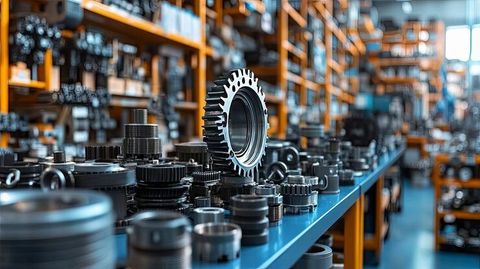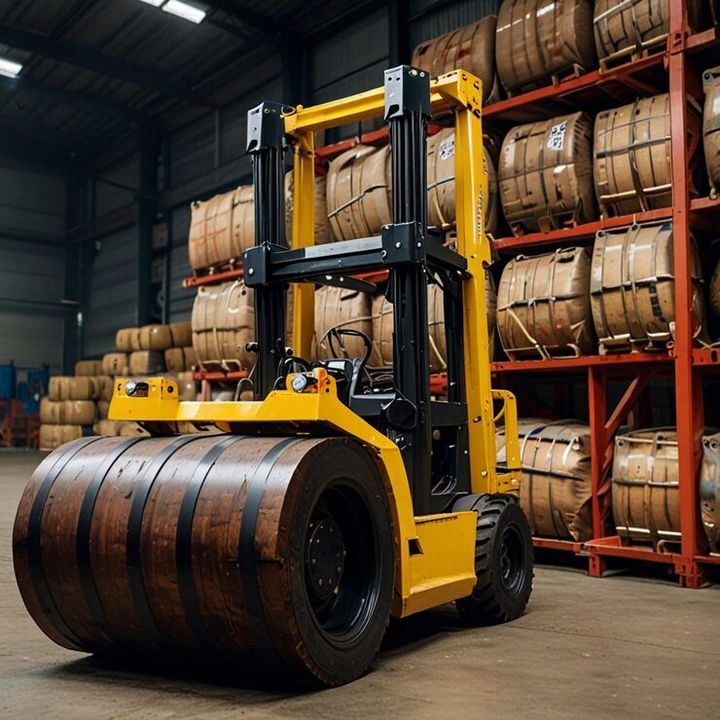
Material Handling Equipment (MHE) refers to the machinery, devices, storage systems, and transport tools used to move, store, control, protect, and manage materials throughout manufacturing, warehousing, distribution, and logistics operations. Common examples include forklifts, conveyors, pallet jacks, automated guided vehicles (AGVs), cranes, shelving systems, and robotic picking solutions.

The importance of MHE has increased significantly in recent years due to the rapid growth of e-commerce, supply chain digitization, labor shortages, and rising customer expectations for faster deliveries. Organizations are under pressure to improve efficiency while maintaining workplace safety and reducing operational costs. As a result, businesses are investing in both traditional and automated material handling systems.
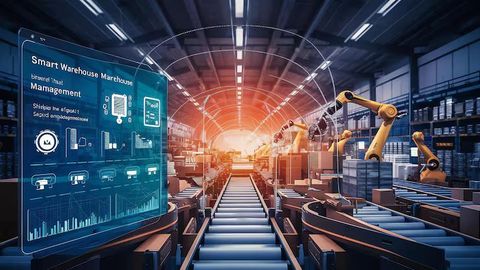
Recent industry trends include warehouse automation, artificial intelligence-assisted inventory management, robotics integration, autonomous mobile robots (AMRs), and data-driven maintenance systems. These technologies help improve productivity, reduce human error, and optimize inventory movement.
As global supply chains become more complex, selecting the right material handling equipment has become a strategic decision that affects operational performance, worker safety, compliance, and long-term profitability.
Who It Affects and What Problems It Solves
Material Handling Equipment impacts a wide range of industries, including manufacturing, warehousing, retail, construction, automotive, pharmaceuticals, food processing, transportation, and e-commerce fulfillment centers. Warehouse operators use MHE to move inventory efficiently, while manufacturers depend on it to transport raw materials and finished products throughout production facilities.
Employees also benefit directly from properly implemented MHE systems. Equipment reduces manual lifting, repetitive movements, and workplace injuries while allowing workers to focus on higher-value tasks. Managers gain better visibility into inventory flows and can improve operational planning through data generated by modern equipment.
Problems Material Handling Equipment Solves
| Problem | How MHE Helps |
|---|---|
| Excessive manual labor | Automates or assists material movement |
| Workplace injuries | Reduces lifting and repetitive strain risks |
| Slow warehouse operations | Speeds up storage and retrieval processes |
| Inventory misplacement | Improves organization and tracking |
| High operational costs | Enhances efficiency and productivity |
| Limited storage space | Optimizes vertical and horizontal storage |
| Shipping delays | Accelerates order fulfillment |
| Product damage | Provides safer transport and handling methods |
Organizations that lack effective MHE often experience bottlenecks, increased labor costs, inventory inaccuracies, and reduced customer satisfaction.
Recent Updates and Industry Trends
The material handling industry has undergone a substantial transformation over the past year due to technological innovation and evolving supply chain requirements.
Growth of Warehouse Automation
Warehouses are increasingly deploying automated storage and retrieval systems (AS/RS), robotic picking solutions, and autonomous mobile robots. These technologies help address labor shortages while improving operational throughput.
Rise of AI-Powered Operations
Artificial intelligence is being integrated into warehouse management systems to predict inventory demand, optimize routes, and identify maintenance needs before equipment failures occur.
Sustainability Initiatives
Many organizations are replacing internal combustion forklifts with electric alternatives to reduce emissions and comply with environmental goals. Battery technology improvements are also extending operational uptime.
Smart Sensors and IoT Integration
Internet of Things (IoT) sensors are being used to monitor equipment performance, track assets, and improve preventive maintenance strategies. Real-time monitoring reduces unexpected downtime.
Increased Focus on Safety
Companies are investing in collision avoidance systems, wearable safety devices, automated inspection tools, and operator training programs to reduce workplace accidents.
Supply Chain Resilience Investments
Businesses are redesigning warehouse layouts and upgrading MHE infrastructure to improve resilience against supply chain disruptions and fluctuating demand patterns.
Material Handling Equipment Comparison Table
Common Types of Material Handling Equipment
| Equipment Type | Primary Function | Typical Applications | Automation Level |
|---|---|---|---|
| Forklifts | Lifting and transporting loads | Warehouses, factories | Low to Medium |
| Pallet Jacks | Moving palletized goods | Retail, warehouses | Low |
| Conveyors | Continuous product movement | Manufacturing, fulfillment centers | Medium to High |
| Cranes | Heavy lifting | Construction, industrial facilities | Medium |
| AGVs | Automated transportation | Distribution centers | High |
| AMRs | Dynamic material movement | Smart warehouses | High |
| AS/RS Systems | Automated storage and retrieval | Large warehouses | Very High |
| Shelving & Racking | Inventory storage | Warehouses | Low |
| Hoists | Vertical lifting | Manufacturing | Medium |
| Sortation Systems | Product sorting | E-commerce operations | High |
Comparison of Traditional vs Automated MHE
| Factor | Traditional Equipment | Automated Equipment |
|---|---|---|
| Initial Investment | Lower | Higher |
| Labor Requirement | Higher | Lower |
| Scalability | Moderate | High |
| Maintenance Complexity | Lower | Higher |
| Accuracy | Operator dependent | Highly consistent |
| Productivity | Moderate | High |
| Safety Features | Basic | Advanced |
| Data Collection | Limited | Extensive |
Laws, Regulations, and Government Policies
Material Handling Equipment operations are influenced by workplace safety regulations, environmental standards, transportation requirements, and industrial compliance frameworks.
Workplace Safety Regulations
Many countries require employers to provide proper operator training, equipment inspections, maintenance records, and safe operating procedures. Regulatory agencies frequently establish standards for forklift operation, load limits, and workplace safety practices.
Equipment Certification Requirements
Certain lifting devices, cranes, and industrial vehicles may require periodic inspections and certification to ensure safe operation.
Environmental Compliance
Governments are increasingly promoting lower-emission equipment and sustainable warehouse operations. Electric forklifts and energy-efficient automation systems are becoming more common due to environmental regulations.
Occupational Health Standards
Employers are expected to minimize ergonomic risks associated with manual material handling. MHE can play a significant role in reducing injuries caused by lifting, carrying, pushing, and pulling activities.
Practical Guidance
Use Manual Equipment When:
- Operations are small-scale.
- Budget constraints exist.
- Material movement volumes are low.
- Facility layouts change frequently.
Use Semi-Automated Equipment When:
- Productivity improvements are needed.
- Moderate inventory volumes exist.
- Labor availability is limited.
Use Fully Automated Systems When:
- High-volume operations exist.
- Accuracy is critical.
- Long-term scalability is required.
- Continuous operation is necessary.
Organizations should review local workplace safety requirements before implementing new material handling systems and ensure employees receive proper training.
Tools and Resources
Several tools and resources can help businesses evaluate, manage, and optimize material handling operations.
Warehouse Management Systems (WMS)
A WMS helps track inventory, manage workflows, and optimize storage utilization.
Popular features include:
- Inventory tracking
- Order management
- Labor management
- Performance reporting
- Barcode integration
Fleet Management Software
These platforms monitor equipment utilization, maintenance schedules, battery performance, and operator behavior.
Digital Inspection Checklists
Electronic inspection forms help ensure regulatory compliance and improve maintenance tracking.
Layout Planning Software
Warehouse simulation and layout design tools assist organizations in optimizing storage capacity and workflow efficiency.
Useful Resource Categories
| Resource Type | Purpose |
|---|---|
| WMS Software | Inventory and workflow management |
| Fleet Monitoring Systems | Equipment tracking |
| Maintenance Platforms | Preventive maintenance planning |
| Safety Training Programs | Operator education |
| Warehouse Calculators | Capacity and productivity planning |
| Barcode & RFID Systems | Inventory visibility |
| Robotics Integration Platforms | Automation deployment |
| Analytics Dashboards | Operational reporting |
Key Performance Indicators (KPIs)
Organizations often track:
- Inventory accuracy
- Order fulfillment rate
- Equipment utilization
- Warehouse throughput
- Labor productivity
- Safety incident frequency
- Downtime percentage
- Cost per order
Material Handling Technology Adoption Trend
Industry Adoption Overview
| Technology | Adoption Trend |
|---|---|
| Manual Handling Tools | Stable |
| Electric Forklifts | Increasing |
| Conveyor Systems | Increasing |
| Warehouse Robotics | Rapidly Increasing |
| Autonomous Mobile Robots | Rapidly Increasing |
| AI-Based Optimization | Growing |
| IoT Asset Tracking | Growing |
| Predictive Maintenance | Growing |
The trend indicates that organizations are gradually transitioning from labor-intensive processes toward data-driven and automated material handling environments.
Frequently Asked Questions (FAQ)
What is Material Handling Equipment (MHE)?
Material Handling Equipment includes tools, machines, and systems used to move, store, protect, and control materials throughout manufacturing, warehousing, and logistics operations.
Why is MHE important in modern warehouses?
MHE improves efficiency, reduces labor requirements, enhances safety, increases inventory accuracy, and supports faster order fulfillment.
What are the main types of material handling equipment?
The primary categories include storage equipment, industrial trucks, bulk material handling systems, conveyors, lifting devices, and automated warehouse solutions.
How does automation impact material handling?
Automation can improve productivity, reduce human error, enhance inventory visibility, and support continuous operations with fewer manual interventions.
What factors should businesses consider when selecting MHE?
Organizations should evaluate operational volume, facility layout, budget, safety requirements, maintenance capabilities, workforce availability, and long-term scalability needs.
Conclusion
Material Handling Equipment has evolved from basic lifting and transportation tools into a critical component of modern supply chain operations. The increasing adoption of automation, robotics, artificial intelligence, and IoT technologies is reshaping how organizations move and manage materials across warehouses and production facilities.
Businesses face growing demands for faster fulfillment, higher accuracy, improved worker safety, and greater operational efficiency. Material handling solutions help address these challenges by reducing manual labor, minimizing errors, improving inventory control, and supporting scalable growth.
The most suitable MHE strategy depends on operational requirements, budget constraints, workforce availability, and long-term business objectives. Smaller operations may benefit from traditional equipment, while high-volume facilities often gain significant advantages from automation and intelligent systems.
As industry trends continue toward digital transformation and warehouse automation, organizations that strategically invest in appropriate material handling technologies are better positioned to improve productivity, enhance safety, and maintain competitive supply chain performance.