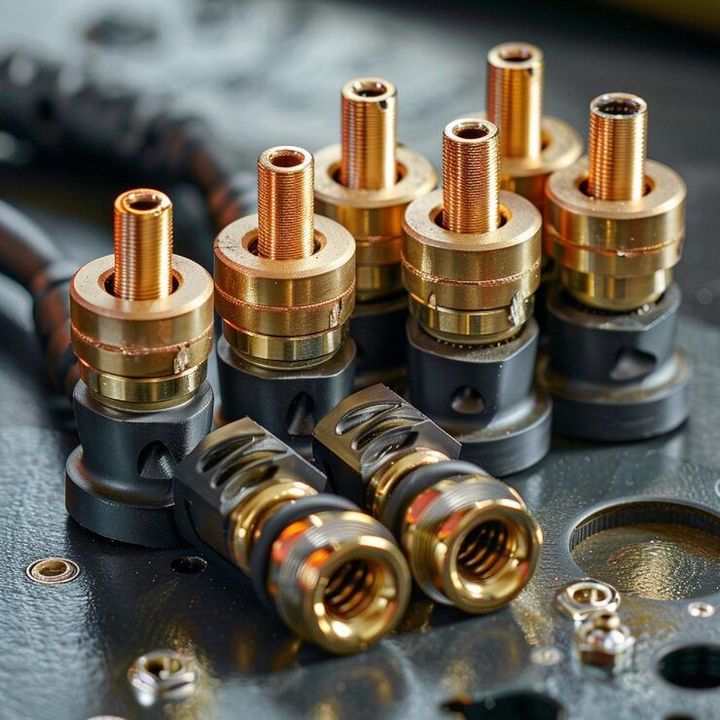
Hydraulic System Parts Explained: Knowledge, Facts, and Resources
Hydraulic systems are widely used in industrial machinery, construction equipment, manufacturing facilities, agricultural vehicles, transportation systems, and energy infrastructure. These systems rely on pressurized fluid to generate, control, and transmit power efficiently. The effectiveness of a hydraulic system depends heavily on the quality, design, and performance of its individual components.
Hydraulic system parts work together to convert mechanical energy into hydraulic energy and then back into controlled mechanical movement. Core components such as pumps, cylinders, valves, reservoirs, filters, and hoses enable machines to perform tasks involving lifting, pressing, moving, and positioning heavy loads with precision.
Understanding hydraulic system parts has become increasingly important as industries adopt automation, smart maintenance technologies, and energy-efficient equipment. Recent advancements in predictive maintenance, sensor integration, and digital monitoring have increased the demand for reliable hydraulic components that reduce downtime and improve operational efficiency.
As manufacturers seek higher productivity and lower maintenance costs, selecting the right hydraulic components can significantly affect equipment lifespan, safety, and overall operational performance. This guide explains the major hydraulic system parts, their functions, current industry developments, regulatory considerations, and practical resources for users and maintenance teams.
Who It Affects and What Problems It Solves
Hydraulic systems affect a wide range of industries and professionals. Equipment manufacturers, plant operators, maintenance technicians, engineers, fleet managers, and facility owners all depend on hydraulic systems for reliable operation. Industries such as construction, mining, agriculture, manufacturing, marine transportation, aerospace, and material handling use hydraulic technology extensively.
Modern hydraulic systems enable machines to perform high-force tasks with relatively compact equipment designs. For example, excavators can lift heavy materials, industrial presses can shape metal components, and agricultural machinery can operate efficiently under demanding field conditions.
Common Problems Hydraulic Systems Solve
Hydraulic systems address several operational challenges:
- Generating high force from compact equipment
- Precise control of movement and positioning
- Efficient transmission of power over distance
- Handling heavy loads safely
- Automating industrial processes
- Reducing manual labor requirements
- Improving machine productivity
- Supporting continuous-duty industrial applications
Without hydraulic systems, many industrial processes would require significantly larger mechanical systems, resulting in increased complexity and reduced efficiency.
Recent Updates and Industry Trends
The hydraulic industry has experienced notable developments during the past year, driven by automation, sustainability goals, and digital transformation initiatives.
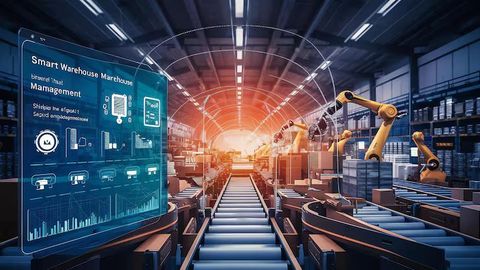
Smart Hydraulic Systems
Manufacturers increasingly integrate sensors into hydraulic equipment to monitor:
- Pressure levels
- Fluid temperature
- Flow rates
- Filter conditions
- Component wear
These technologies support predictive maintenance programs that help reduce unexpected failures.
Energy-Efficient Components
Energy consumption remains a major focus for industrial operators. New hydraulic pumps and variable-speed drive technologies are designed to improve efficiency while lowering operating costs.
Environmentally Friendly Hydraulic Fluids
Many industries are adopting biodegradable hydraulic fluids to reduce environmental risks in sensitive locations such as forests, agricultural fields, and marine environments.
Digital Monitoring Platforms
Cloud-connected monitoring systems allow operators to track hydraulic performance remotely. This trend supports Industry 4.0 initiatives and helps maintenance teams identify issues before they become serious failures.
Increased Demand for Reliability
Supply chain challenges and rising equipment costs have encouraged organizations to prioritize preventive maintenance and component longevity rather than frequent replacement cycles.
Major Hydraulic System Parts and Their Functions
| Hydraulic Part | Primary Function | Importance |
|---|---|---|
| Hydraulic Pump | Converts mechanical energy into hydraulic energy | Creates fluid flow |
| Hydraulic Cylinder | Converts hydraulic energy into linear motion | Produces force and movement |
| Hydraulic Motor | Converts hydraulic energy into rotary motion | Drives rotating equipment |
| Control Valve | Regulates fluid direction and pressure | Controls system operation |
| Reservoir | Stores hydraulic fluid | Supports cooling and fluid supply |
| Hydraulic Fluid | Transfers energy within the system | Essential operating medium |
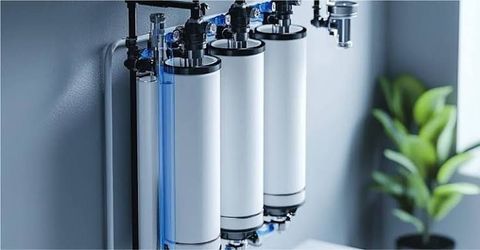
| Filters | Remove contaminants | Protect system components |
| Hoses and Pipes | Transport hydraulic fluid | Enable fluid movement |
| Pressure Relief Valve | Prevents excessive pressure | Improves safety |
| Accumulator | Stores hydraulic energy | Stabilizes system performance |
Typical Hydraulic Power Flow
| Process Stage | Component Involved |
|---|---|
| Energy Generation | Electric Motor or Engine |
| Fluid Pressurization | Hydraulic Pump |
| Fluid Storage | Reservoir |
| Flow Control | Valves |
| Energy Conversion | Cylinder or Motor |
| Return Flow | Hoses and Reservoir |
Hydraulic System Performance Factors
| Factor | Impact on Performance |
|---|---|
| Fluid Quality | Affects efficiency and wear |
| Filtration | Reduces contamination damage |
| Operating Pressure | Influences force output |
| Temperature Control | Maintains system stability |
| Component Selection | Determines reliability |
| Maintenance Frequency | Extends equipment life |
Laws, Standards, and Policies Affecting Hydraulic Systems
Hydraulic systems are influenced by various international and national regulations aimed at ensuring workplace safety, environmental protection, and equipment reliability.
Occupational Safety Requirements
Many countries require hydraulic equipment to comply with workplace safety regulations that address:
- Pressure containment
- Machine guarding
- Operator safety
- Emergency shutdown systems
- Inspection procedures
Industrial facilities often follow established safety management practices to reduce risks associated with high-pressure hydraulic systems.
Environmental Regulations
Environmental policies increasingly influence hydraulic system design. Organizations may be required to:
- Prevent hydraulic fluid leaks
- Properly dispose of used fluids
- Reduce environmental contamination risks
- Use environmentally acceptable lubricants in sensitive areas
Equipment Standards
Commonly referenced standards include:
| Standard Area | Purpose |
|---|---|
| Hydraulic Fluid Standards | Fluid performance and compatibility |
| Hose Standards | Pressure and safety requirements |
| Filtration Standards | Cleanliness classification |
| Machinery Safety Standards | Operator protection |
| Environmental Compliance Standards | Pollution prevention |
Practical Guidance
Different applications may require different hydraulic component selections:
| Situation | Recommended Focus |
|---|---|
| Construction Equipment | High durability and contamination resistance |
| Manufacturing Plants | Precision control and reliability |
| Agricultural Equipment | Weather resistance and easy maintenance |
| Marine Applications | Corrosion protection |
| Automated Systems | Sensor integration and monitoring capabilities |
Organizations should review local regulations and industry-specific standards before selecting or modifying hydraulic equipment.
Tools and Resources
Several tools and resources can help engineers, technicians, and operators manage hydraulic systems effectively.
Design and Engineering Tools
- Hydraulic circuit design software
- Fluid power simulation platforms
- Pressure drop calculators
- Flow rate calculators
- Pump sizing tools
Maintenance Resources
- Preventive maintenance checklists
- Oil analysis programs
- Contamination monitoring kits
- Leak detection equipment
- Thermal imaging devices
Monitoring Technologies
- Pressure sensors
- Flow meters
- Temperature monitoring systems
- Predictive maintenance platforms
- Industrial IoT dashboards
Educational Resources
- Fluid power training courses
- Technical manuals
- Equipment manufacturer documentation
- Industry certification programs
- Engineering reference guides
Common Performance Indicators
| KPI | Purpose |
|---|---|
| System Pressure | Monitor operational health |
| Fluid Temperature | Identify overheating |
| Contamination Level | Evaluate fluid cleanliness |
| Downtime Frequency | Measure reliability |
| Maintenance Cost | Assess operational efficiency |
Frequently Asked Questions (FAQ)
What are the main parts of a hydraulic system?
The primary hydraulic system parts include pumps, cylinders, valves, reservoirs, filters, hydraulic fluid, hoses, accumulators, and hydraulic motors. Together they generate, control, and transmit hydraulic power.
Why are hydraulic filters important?
Hydraulic filters remove contaminants from the fluid. Proper filtration helps prevent wear, component damage, system inefficiency, and unexpected failures.
How often should hydraulic fluid be replaced?
Replacement intervals vary depending on operating conditions, fluid quality, equipment type, and manufacturer recommendations. Regular fluid analysis often provides the most accurate guidance.
What causes hydraulic system failures?
Common causes include fluid contamination, overheating, improper maintenance, component wear, excessive pressure, and poor installation practices.
Are smart hydraulic systems becoming more common?
Yes. Many modern hydraulic systems now include sensors, digital monitoring tools, and predictive maintenance capabilities that improve reliability and reduce downtime.
Conclusion
Hydraulic systems remain essential across construction, manufacturing, agriculture, transportation, and many other industries because they provide efficient, controllable, and high-force power transmission. The performance of these systems depends on the effective interaction of key components such as pumps, cylinders, valves, filters, reservoirs, and hydraulic fluid.
Recent industry developments show a growing emphasis on predictive maintenance, digital monitoring, energy efficiency, and environmental responsibility. Organizations are increasingly investing in smarter hydraulic systems that deliver improved reliability and reduced operating costs.
For most applications, the best approach is to focus on proper component selection, regular maintenance, contamination control, and compliance with relevant safety and environmental regulations. A well-designed and properly maintained hydraulic system can deliver long service life, operational efficiency, and dependable performance in demanding industrial environments.