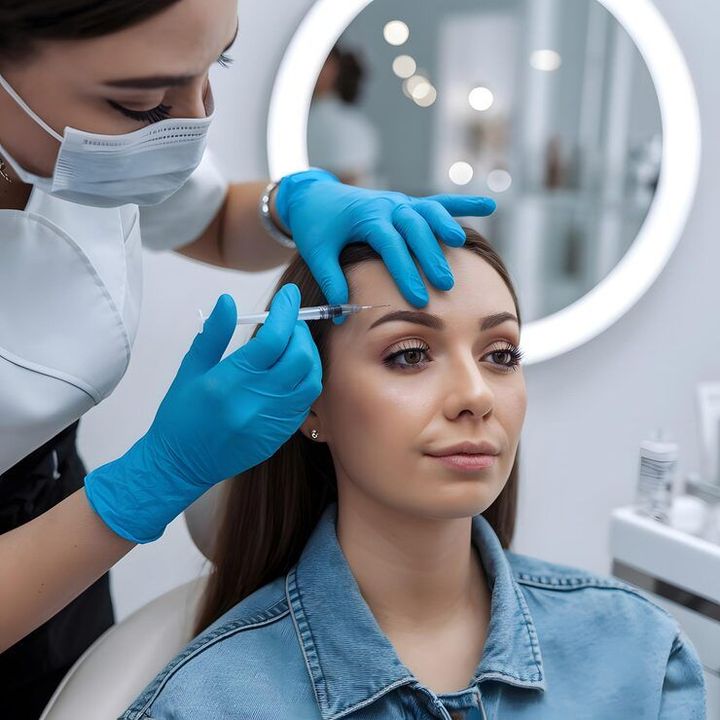
Discover Botox Treatment: Overview, Details, and Helpful Resources
Botox is one of the most widely recognized injectable treatments used in both cosmetic and medical settings. Derived from botulinum toxin type A, Botox temporarily relaxes specific muscles by blocking nerve signals. While many people associate Botox with reducing facial wrinkles, healthcare professionals also use it to treat a variety of medical conditions, including chronic migraines, excessive sweating, muscle spasms, and certain neurological disorders.
Interest in Botox has grown significantly over the past decade as cosmetic procedures become more mainstream and minimally invasive treatment options continue to advance. Improvements in injection techniques, patient education, and safety protocols have contributed to broader acceptance among different age groups.
The topic remains relevant because demand for non-surgical aesthetic treatments continues to rise globally. At the same time, medical applications are expanding as researchers investigate additional therapeutic uses. Understanding Botox is important for individuals considering treatment, healthcare providers evaluating options, and policymakers monitoring patient safety and healthcare regulations.
As awareness increases, informed decision-making becomes essential. Learning how Botox works, who it benefits, and the associated risks can help individuals make evidence-based healthcare choices rather than relying on marketing claims or social media trends.
Who It Affects and What Problems It Solves
Botox affects a broad range of individuals across cosmetic and medical healthcare sectors. Cosmetic users typically seek treatment to reduce the appearance of dynamic wrinkles, including forehead lines, crow's feet, and frown lines. These wrinkles develop through repeated facial muscle movements over time.
Medical patients may receive Botox for conditions involving abnormal muscle activity or nerve signaling. Neurologists, dermatologists, ophthalmologists, and other specialists often incorporate Botox into treatment plans for selected patients. Age is not the primary factor determining suitability; rather, treatment depends on specific symptoms, medical history, and professional evaluation.
The increasing popularity of minimally invasive procedures has also made Botox relevant to individuals looking for alternatives to surgical interventions. Treatment sessions are generally shorter than many surgical procedures and often involve limited recovery time.
Problems Botox May Help Address
| Problem Area | How Botox May Help |
|---|---|
| Facial Wrinkles | Temporarily relaxes targeted facial muscles |
| Chronic Migraine | May reduce headache frequency in eligible patients |
| Excessive Sweating (Hyperhidrosis) | Blocks nerve signals that activate sweat glands |
| Muscle Spasticity | Helps reduce abnormal muscle contractions |
| Eye Muscle Disorders | Assists with certain movement-related conditions |
| Neck Muscle Conditions | May improve symptoms of cervical dystonia |
| Jaw Clenching | Sometimes used in selected cases under medical supervision |
It is important to note that Botox is not a permanent solution. Effects typically diminish over time, requiring repeat treatments if continued results are desired.
Recent Updates, Trends, and Developments
The past year has seen continued growth in the global aesthetic medicine industry, with injectable treatments remaining among the most commonly performed non-surgical procedures worldwide.
Increased Focus on Natural-Looking Results
A notable trend involves smaller, more customized doses designed to create subtle outcomes. Patients increasingly seek natural facial expressions rather than a completely immobile appearance. This approach is often referred to as "micro-dosing" or "baby Botox."
Growing Interest Among Younger Adults
Preventive aesthetic treatments continue to attract younger adults who aim to minimize visible wrinkle formation before deeper lines develop. Healthcare professionals emphasize the importance of realistic expectations and individualized assessments.
Expansion of Medical Applications
Researchers continue evaluating botulinum toxin therapies for additional therapeutic uses. While some applications remain under investigation, interest in neurological, pain-related, and muscle-related conditions remains strong.
Digital Consultation and Patient Education
Healthcare providers increasingly use virtual consultations, educational platforms, and treatment simulation tools to improve patient understanding before procedures.
Safety and Training Emphasis
Regulators and professional organizations have strengthened awareness efforts regarding practitioner qualifications, product authenticity, and patient safety. The rise of aesthetic treatments has increased attention on ensuring procedures are performed by properly trained medical professionals.
Botox Overview Table
| Category | Details |
|---|---|
| Treatment Type | Injectable neuromodulator |
| Active Ingredient | Botulinum toxin type A |
| Main Cosmetic Use | Reduction of dynamic facial wrinkles |
| Common Medical Uses | Migraines, hyperhidrosis, muscle disorders |
| Procedure Duration | Often 10–30 minutes |
| Recovery Time | Usually minimal |
| Onset of Effects | Often noticeable within several days |
| Duration of Effects | Typically several months |
| Surgical Procedure | No |
| Prescription Required | Yes, in many jurisdictions |
| Administered By | Qualified healthcare professionals |
| Follow-Up Needed | Often required for ongoing treatment |
Botox Treatment Journey
| Stage | Typical Activity |
|---|---|
| Consultation | Medical evaluation and discussion |
| Treatment Planning | Determination of injection areas |
| Injection Session | Administration by trained professional |
| Early Recovery | Monitoring and aftercare |
| Results Assessment | Evaluation of treatment effectiveness |
| Maintenance | Repeat treatment if appropriate |
Laws, Regulations, and Policies
Botox is regulated differently across countries, but most healthcare authorities classify it as a prescription medical product requiring professional administration.
Regulatory Oversight
In many regions, Botox products must receive approval from national health regulators before commercial use. Manufacturers are required to demonstrate safety, quality, and effectiveness through clinical research and regulatory review processes.
Healthcare professionals administering Botox may need specific training, licensing, or certification depending on local regulations.
Product Authenticity Requirements
Governments and regulatory agencies increasingly focus on preventing counterfeit injectable products from entering the market. Patients are encouraged to verify that treatments are obtained through legitimate healthcare providers.
Advertising Restrictions
Many countries regulate how cosmetic and medical procedures can be advertised. Healthcare providers typically cannot make misleading claims, guarantee results, or minimize risks associated with treatment.
Practical Guidance
The following situations may influence treatment decisions:
| Situation | Consideration |
|---|---|
| Cosmetic Wrinkle Reduction | Consultation with qualified provider recommended |
| Chronic Migraines | Medical diagnosis required before treatment |
| Excessive Sweating | Evaluation of underlying causes may be necessary |
| Pregnancy or Breastfeeding | Professional medical guidance important |
| Neurological Conditions | Specialist consultation often recommended |
| Previous Allergic Reactions | Medical review required before treatment |
Patients should always follow local healthcare regulations and seek treatment from appropriately licensed professionals.
Tools and Resources
Several tools and resources can help individuals learn about Botox and make informed decisions.
Educational Websites
- World Health Organization – General healthcare information
- International Society of Aesthetic Plastic Surgery – Industry statistics and reports
- American Society of Plastic Surgeons – Patient education resources
Helpful Digital Resources
| Resource Type | Purpose |
|---|---|
| Provider Directories | Locate qualified practitioners |
| Medical Information Portals | Learn about treatment indications |
| Appointment Management Apps | Schedule consultations |
| Health Record Apps | Track treatment history |
| Symptom Journals | Monitor treatment outcomes |
| Educational Videos | Understand procedures and expectations |
Consultation Preparation Checklist
Before meeting a healthcare provider, individuals may find it useful to prepare:
- Current medications list
- Previous treatment history
- Medical conditions
- Allergy information
- Questions about risks and benefits
- Expected outcomes and goals
Risk Assessment Resources
Many healthcare providers offer:
- Informed consent documents
- Pre-treatment questionnaires
- Medical screening forms
- Post-treatment care instructions
These resources can improve understanding and support safer treatment decisions.
Frequently Asked Questions (FAQ)
What is Botox used for?
Botox is used for both cosmetic and medical purposes. Common uses include reducing facial wrinkles, treating chronic migraines, managing excessive sweating, and addressing certain muscle disorders.
How long do Botox results typically last?
Results generally last several months, although duration varies based on treatment area, dosage, individual response, and other factors.
Is Botox considered safe?
When administered by qualified healthcare professionals using approved products, Botox has an established safety profile. However, all medical procedures carry potential risks and side effects.
Does Botox completely remove wrinkles?
Botox primarily reduces the appearance of dynamic wrinkles caused by muscle movement. Results vary among individuals and may not eliminate all visible lines.
Can younger adults receive Botox?
Some younger adults choose Botox for preventive or cosmetic reasons. Treatment decisions should be based on individual assessment, medical considerations, and professional guidance rather than age alone.
Key Botox Facts at a Glance
| Fact | Explanation |
|---|---|
| Non-Surgical | No incisions required |
| Temporary Results | Effects gradually wear off |
| Multiple Medical Uses | Beyond cosmetic applications |
| Requires Professional Administration | Not a self-administered treatment |
| Widely Studied | Supported by extensive clinical research |
| Personalized Treatment | Dosage and placement vary by patient |
Botox Usage Growth Trend (Illustrative)
Growing Public Awareness
        ↑
Higher Demand for
Non-Surgical Procedures
        ↑
Expanded Medical Uses
        ↑
Improved Patient Education
Conclusion
Botox has evolved from a specialized medical treatment into one of the most recognized non-surgical procedures in modern healthcare. Its applications extend beyond cosmetic wrinkle reduction to include chronic migraines, excessive sweating, muscle disorders, and other medically supervised treatments.
Recent trends indicate continued growth in demand, greater emphasis on natural-looking outcomes, and increased attention to patient safety and practitioner qualifications. Regulatory oversight remains important to ensure product quality, treatment effectiveness, and consumer protection.
For most individuals, the best approach is an evidence-based one: understand the intended use, review potential benefits and risks, verify provider credentials, and maintain realistic expectations about outcomes. Botox can be an effective treatment option when used appropriately under professional supervision, but suitability depends on individual health needs, goals, and medical evaluation.
As research continues and healthcare practices evolve, informed decision-making remains the most valuable resource for anyone seeking to learn about Botox.